Mt. Baker-Snoqualmie National Forest Adventures
Mt. Baker-Snoqualmie National Forest is a stunning expanse of wilderness spanning over 140 miles along the western slopes of the Cascade Range in Washington State, offering diverse recreational opportunities and breathtaking natural beauty.
Popular Activities
Plan Your Visit
Everything you need to know to prepare for an unforgettable trip to Mt. Baker-Snoqualmie National Forest.
Entrance Requirements
No entrance fees, but passes may be required for certain trailheads and camping areas.
Best Time to Visit
Late spring to early fall for most activities, with winter being ideal for snow sports.
Visitor Information
Verlot Public Service Center and Glacier Public Service Center.
Getting There
Accessible via Highway 542 (Mount Baker Highway) and Highway 20, with some roads subject to seasonal closures.
Weather & Climate
Summers are mild with temperatures ranging from 60-75°F, while winters can be cold with heavy snowfall, particularly at higher elevations.
Conservation Efforts
Challenges include habitat loss, climate change impacts, and wildfire risks. Conservation efforts focus on preserving biodiversity and protecting water quality.
Camping in Mt. Baker-Snoqualmie National Forest
Find the perfect spot to stay overnight and immerse yourself in the details.
Silver Fir Campground
Located along the scenic Mountain Loop Highway, known for fishing and proximity to hiking trails.
Gold Basin Campground
Offers spacious sites along the South Fork Stillaguamish River with excellent access to outdoor recreation.
Top Trails
Heliotrope Ridge Trail
Features views of Mt. Baker's glaciers and a network of scenic alpine trails.
Lake Twenty-Two Trail
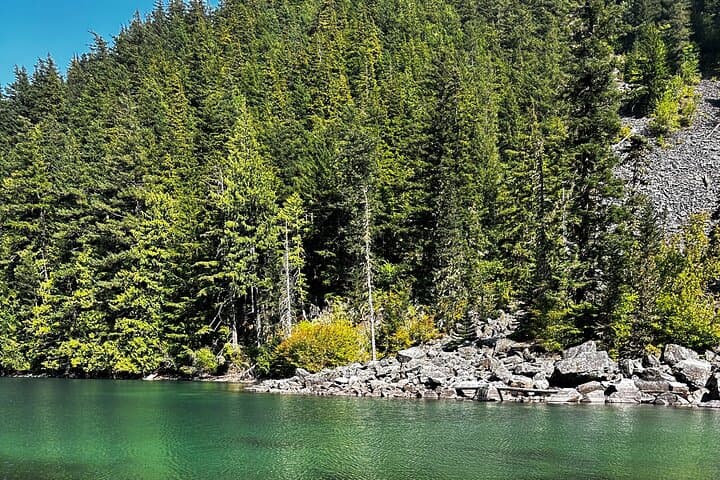
Leads to a picturesque alpine lake surrounded by rugged cliffs and forest.
Heather Meadows
Offers panoramic vistas of alpine scenery, wildflowers, and wildlife.
Park Butte Trail
A scenic hike with sweeping views of Mount Baker's southern slopes.
Trailblazer Tips
Start early in the day to avoid crowds at popular trailheads.
Winter months can bring heavy snow; check avalanche forecasts before heading out.
Campsites, particularly at popular spots, fill quickly during peak seasons.
Bring layers and prepare for sudden weather changes, especially at higher elevations.