Wilderness Landscape & Natural Heritage
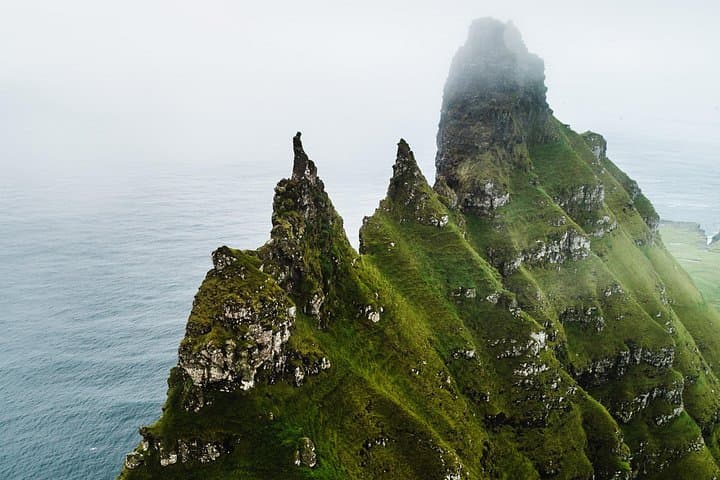
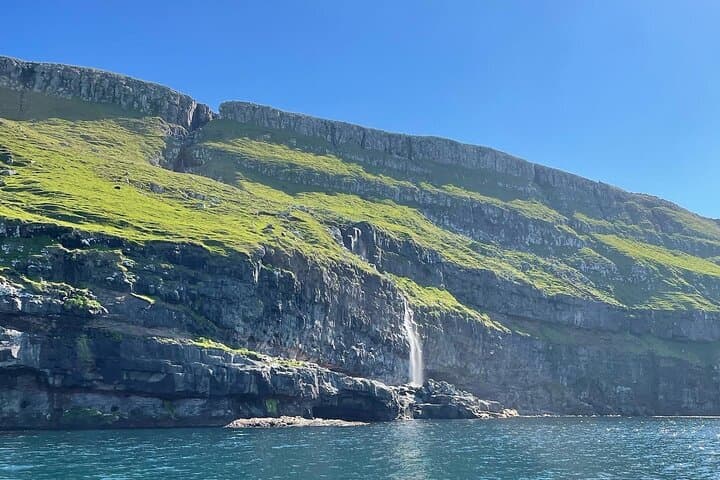
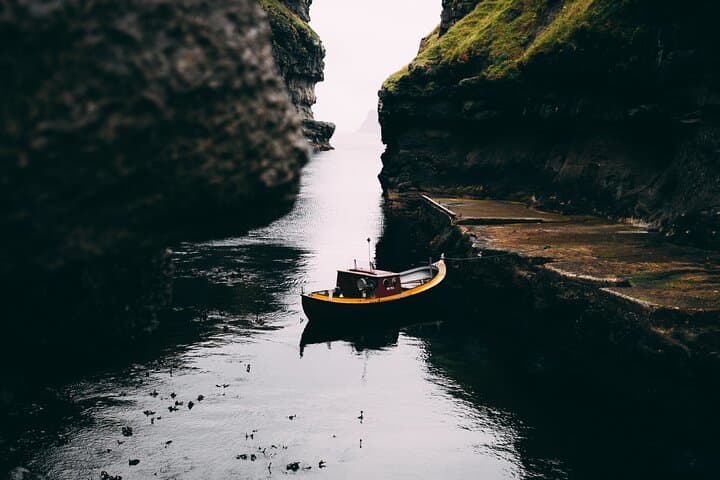
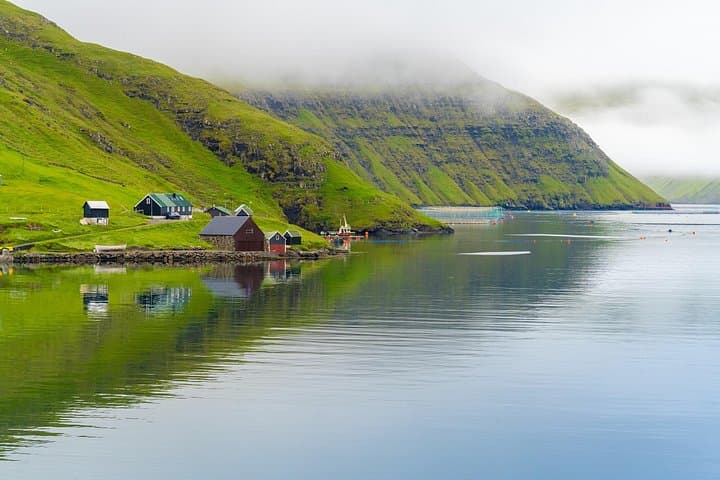
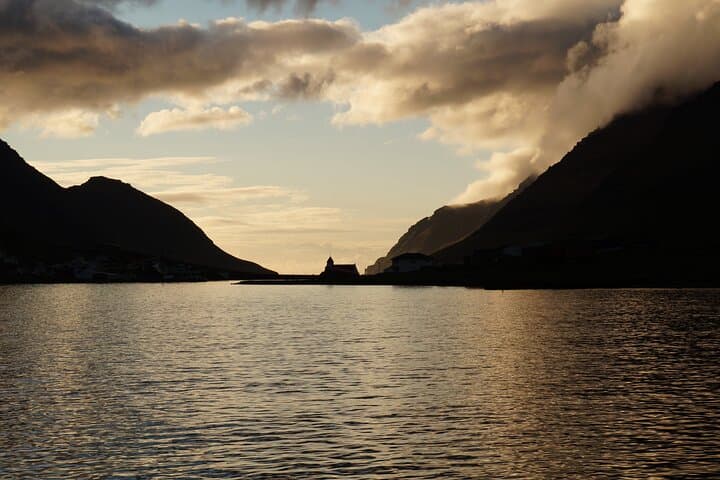
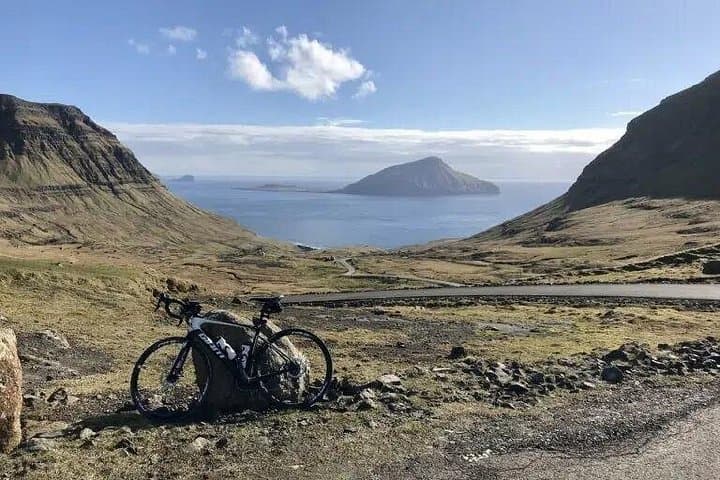
The Faroese Important Bird Areas (IBAs) are designated regions throughout the Faroe Islands recognized for their vital role in the conservation of seabirds and other avian species. These areas consist chiefly of steep cliffs, offshore stacks, islets, and coastal heaths which support some of the largest breeding seabird colonies in the North Atlantic. Species such as Atlantic puffins, European storm petrels, northern gannets, common guillemots, and razorbills find refuge within these protected zones. Ecologically, the Faroe Islands form a harsh yet rich environment characterized by oceanic climate, strong winds, and rugged, volcanic landscapes that create unique nesting sites largely free from terrestrial predators. Historically, seabirds have been integral to Faroese culture and subsistence, with traditional hunting practices still influencing conservation efforts. Visitors to the Faroese IBAs can expect to encounter pristine birdwatching locations, panoramic cliffside vistas, and remote natural settings accessible via hiking or boat excursions. Notable areas include Mykines, known for its puffin colonies, Vestmanna cliffs famous for dramatic sea stacks, and Nólsoy with its rich avifauna. The IBAs appeal especially to birdwatchers, nature photographers, and outdoor enthusiasts seeking to experience both wildlife and the stark beauty of North Atlantic seascapes. While much of the terrain is rugged and requires caution, the islands' small size allows visitors to explore multiple areas with relative ease, contributing to a comprehensive understanding of this fragile ecosystem.