Wilderness Landscape & Natural Heritage
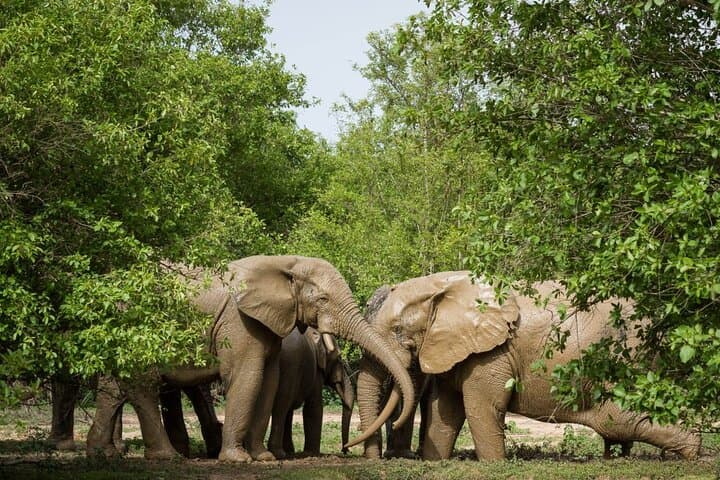
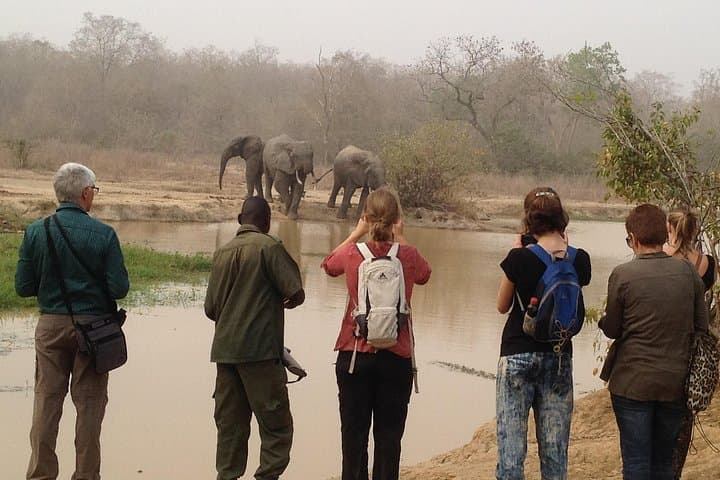
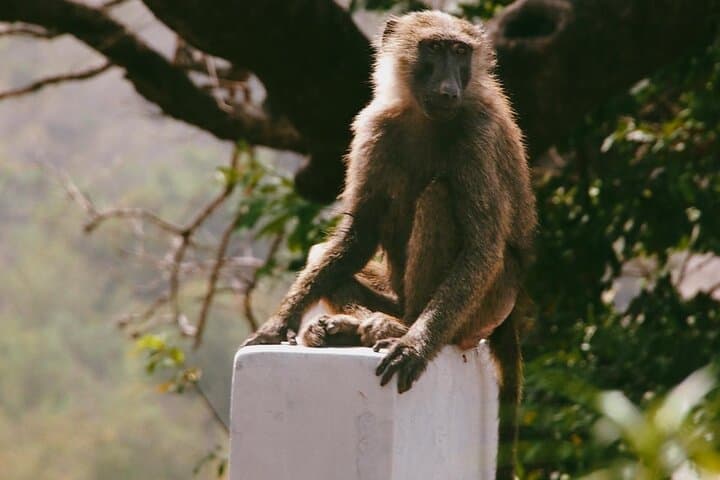
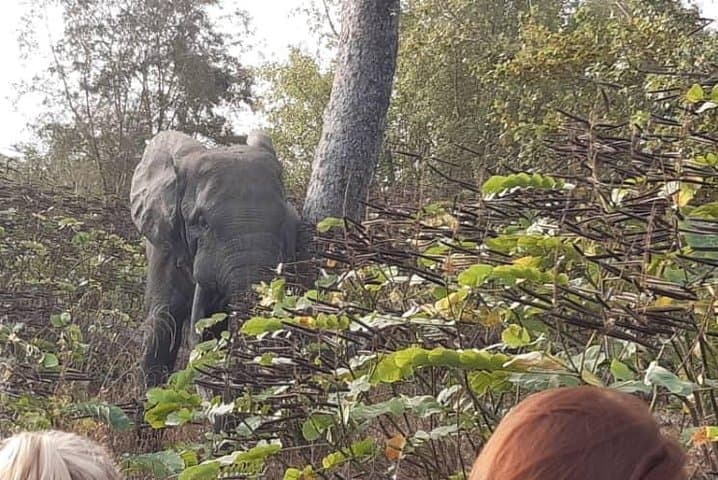
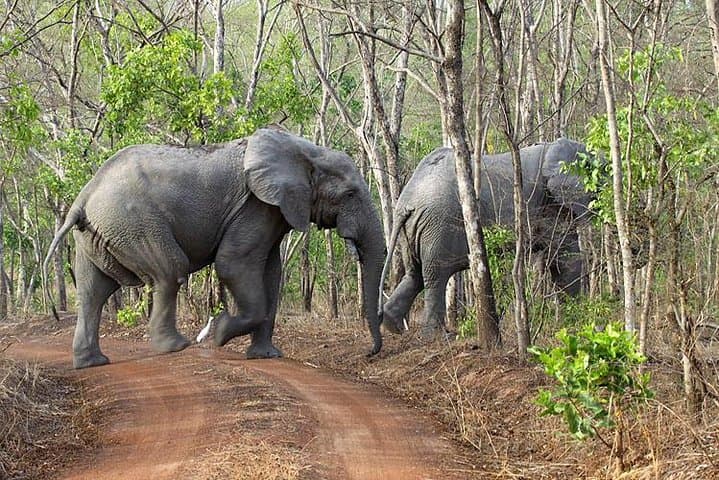
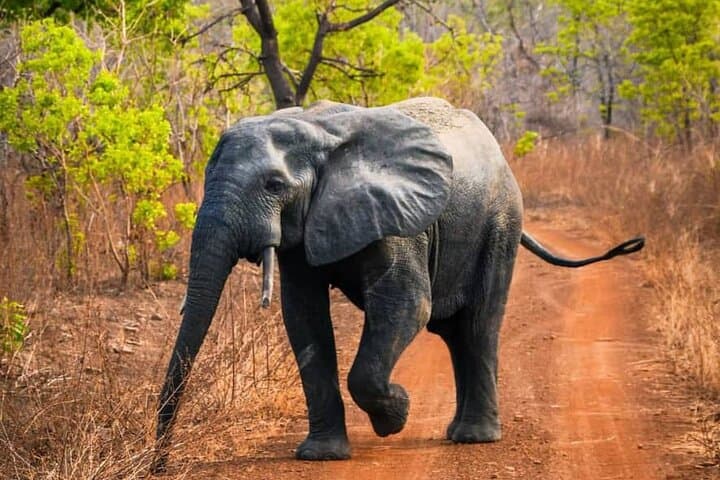
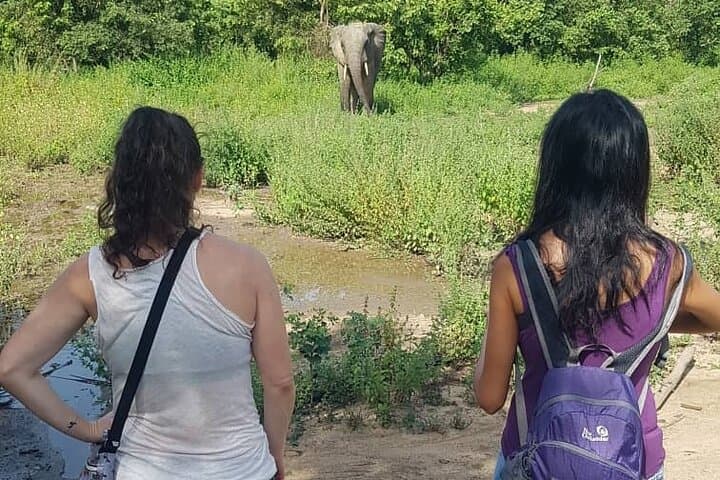
Tumu Forest Reserve is located in the Upper West Region of Ghana and spans a significant area of tropical forest. The reserve is an important ecological zone, conserving dry semi-deciduous forest and savanna woodlands, providing critical habitat for various native flora and fauna, including some endangered species. Historically, the reserve has served to protect the region's natural resources amid expanding agricultural activities and human settlements. Outdoor enthusiasts visiting the reserve can enjoy guided nature walks, bird watching, and wildlife viewing, as the reserve supports populations of antelope, monkeys, and various bird species. Its landscape includes rolling hills and woodland patches dotted with tall trees, offering a scenic environment. While it is less developed for extensive recreation infrastructure, the reserve holds appeal for eco-tourists and researchers interested in Ghana’s forest ecosystems. Visitors gain insight into regional conservation efforts, traditional uses of forest resources, and the importance of forest reserves in preserving biodiversity and supporting local communities.