About this landmark
Mount Pulag's Awe-Inspiring Dawn
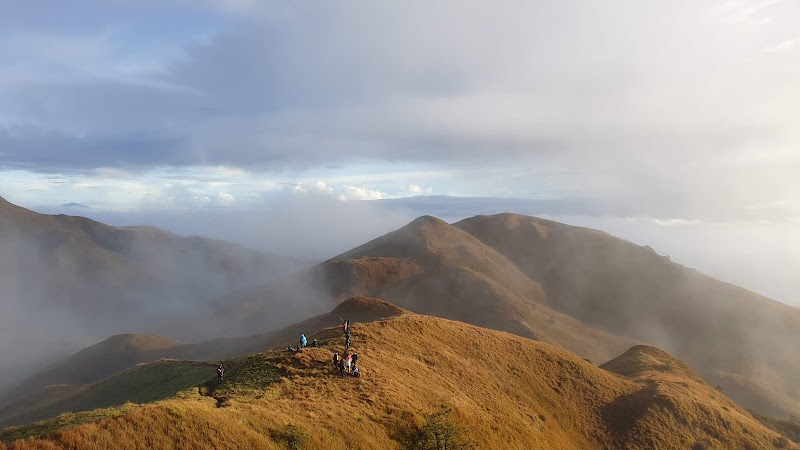
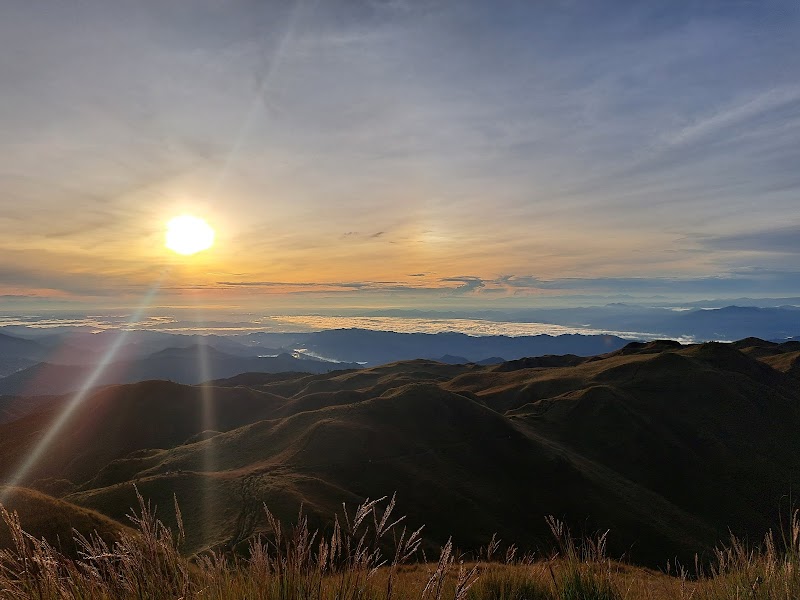
Nestled in Kabayan, Benguet, Philippines, Mount Pulag is the highest peak in Luzon and the third highest in the Philippines, standing at 2,926 meters above sea level. Known for its breathtaking sea of clouds and captivating sunsets, this natural wonder is a haven for outdoor enthusiasts. Its unique landscape features rolling hills and lush grasslands, which contrast beautifully against the fiery hues of the rising sun. Visitors are often enchanted by the stunning panoramic vistas, including views of the surrounding Cordillera mountain ranges.
Mount Pulag isn’t just about the views; it's a biodiversity hotspot home to endemic flora and fauna. The mountain’s montane forests house species such as the mossy cloud rat and the dwarf bamboo. Culturally, Mount Pulag holds significance for local indigenous peoples, and it presents a vital cultural heritage site. The Ibaloi, Kalanguya, and other indigenous communities regard the mountain as sacred.
Thrill-seekers and nature lovers will find Mount Pulag an unforgettable experience. Whether it's the mystical fog, the vibrant sun-kissed meadows, or the stories carried through the winds—Mount Pulag captures the heart of anyone who ventures its paths.
Adventure Guide
Adventure Guide to Mount Pulag
1. Mount Pulag Summit Trail
- Special Features: The four main trails—Ambangeg, Akiki, Tawangan, and Ambaguio—offer varying levels of difficulty, catering to both novice and experienced hikers. Each path presents unique views of the lush scenery and diverse wildlife.
- Local Insights: The indigenous tribes consider the mountain sacred, and hikers are encouraged to respect local customs.
- Visitor Tips:
- Best Time to Visit: November to February when skies are clearest.
- What to Bring: Warm clothing, camping gear, snacks, and a garbage bag (carry all trash back).
- Directions: Travel from Baguio City to Kabayan, Benguet. The trip to the Ranger Station starts from Ambangeg (approximately 4-5 hours).
2. Camping at Mount Pulag’s Campsites
- Special Features: Experience the night sky like never before at Campsite 1 and 2. The absence of light pollution makes this a stargazer’s paradise.
- Key Amenities: Basic facilities; permits required.
- Visitor Tips:
- Best Time to Visit: Dry season for a clearer sky.
- What to Bring: Tent, sleeping bag, flashlight, and first aid kit.
3. Cultural Learning with Indigenous Tribes
- Special Features: Gain insights into the rich culture of the Ibaloi and Kalanguya tribes through guided interactions.
- Local Insights: Organized cultural tours allow for immersive experiences while respecting tribal lands and customs.
- Visitor Tips:
- Best Time to Visit: Any time of year, but try to coincide with local festivals.
- What to Bring: Cultural sensitivity, small tokens of appreciation are welcome.
Visitor Tips
- Best Times:November to February for favorable conditions and optimal lighting.
- What to Bring:Plenty of water, sun protection, a camera, and respectful Leave-No-Trace mindset.