About this landmark
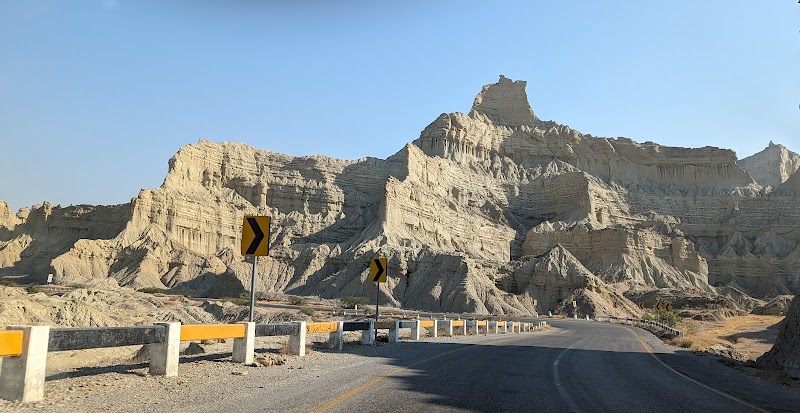
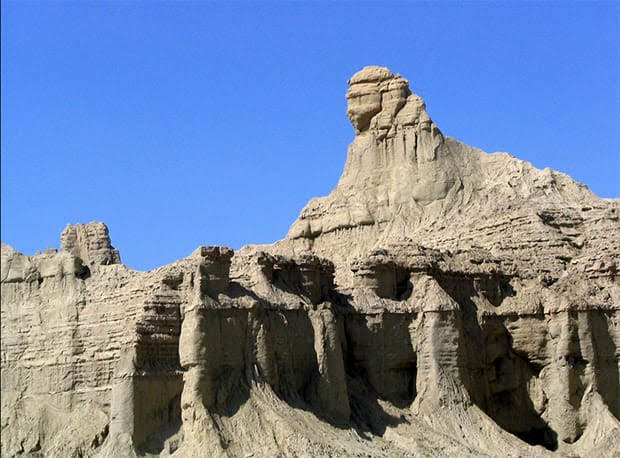
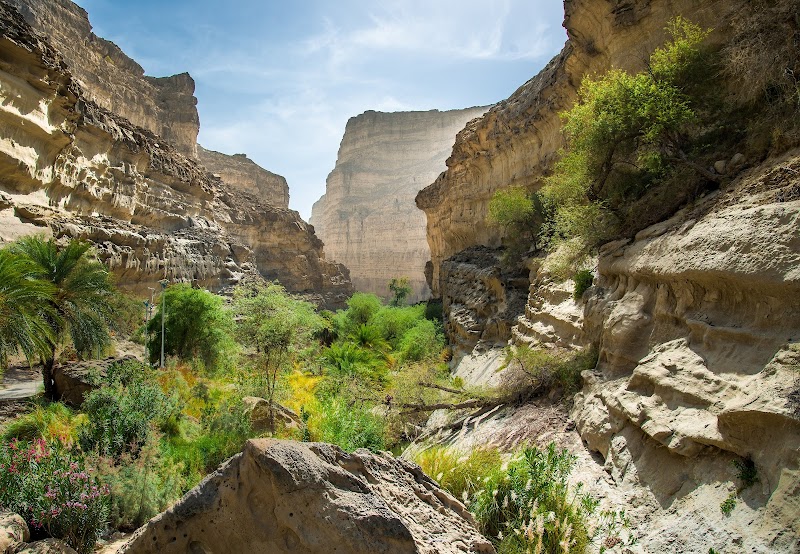
Hingol Balochistan National Park, located in the Balochistan region of Pakistan, is a natural marvel that stands out for its diverse landscapes and ecological significance. Covering an impressive area, it's the largest national park in Pakistan, featuring stunning canyons, unique rock formations, and a rich array of wildlife. The park is known for its remarkable geological features, including the striking Princess of Hope and the iconic Hingol Mud Volcanoes. One of the most amazing aspects of Hingol is its diverse ecology. Home to over 185 species of birds, including rare ones like the Houbara bustard, the park is a paradise for bird watchers. Additionally, the park hosts a variety of mammals such as ibexes and Indian wolves. Visitors can explore an intriguing mix of arid deserts, lush riverine forests, and coastal lines. Established in 1988, Hingol National Park serves not only as a significant conservation area but also as a cultural hotspot. Local tribes inhabit the area, adding to the park's rich cultural tapestry. This combination of natural beauty and cultural intrigue makes it a must-visit spot in the traveler's journey.
Adventure Guide
Adventure Guide to Hingol Balochistan National Park
-
Hiking to Princess of Hope
- Special Feature: The Princess of Hope is a naturally carved rock formation resembling a standing woman. Located in the midst of rugged terrain, the trail leading to it offers magnificent views.
- Visitor Tips:
- Best time to visit is during the cooler months from October to March.
- Bring plenty of water, sturdy boots, and sun protection.
-
Exploring Hingol Mud Volcanoes
- Special Feature: These are the tallest mud volcanoes in the world, with an active presence that fascinates tourists.
- Visitor Tips:
- Visit early in the morning to avoid the hot sun.
- Wear comfortable clothing and hiking boots.
- Approximate travel time from Karachi is 3 hours by car.
-
Wildlife Watching Safari
- Special Feature: Witness the abundant wildlife, including the rare Houbara bustard and the magnificent ibex.
- Visitor Tips:
- Bring binoculars for bird watching.
- Plan visits around early morning or late afternoon.
- Respect wildlife by maintaining distance and not feeding animals.
Visitor Tips
- Best Times:Fall and Winter for favorable conditions and optimal lighting.
- What to Bring:Plenty of water, sun protection, a camera, and respectful Leave-No-Trace mindset.