About this landmark
Lunar Crater's Geological Marvel, Nevada
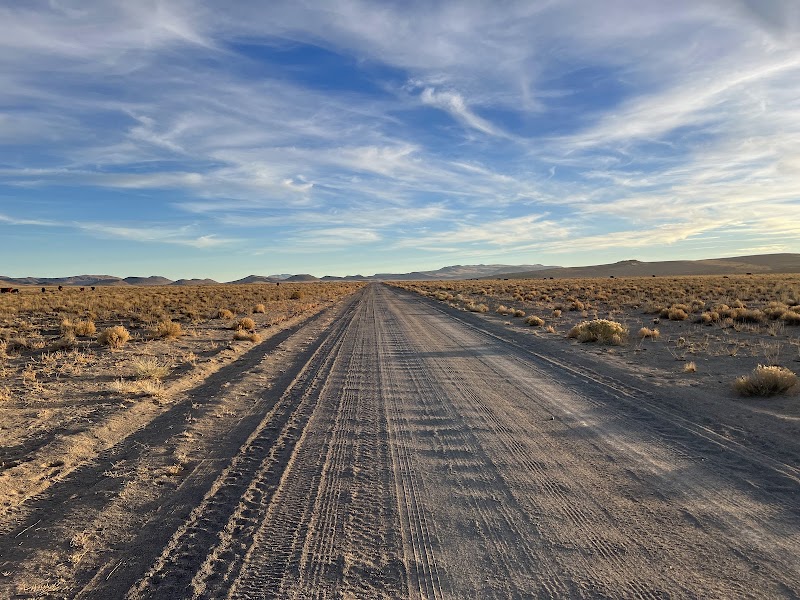
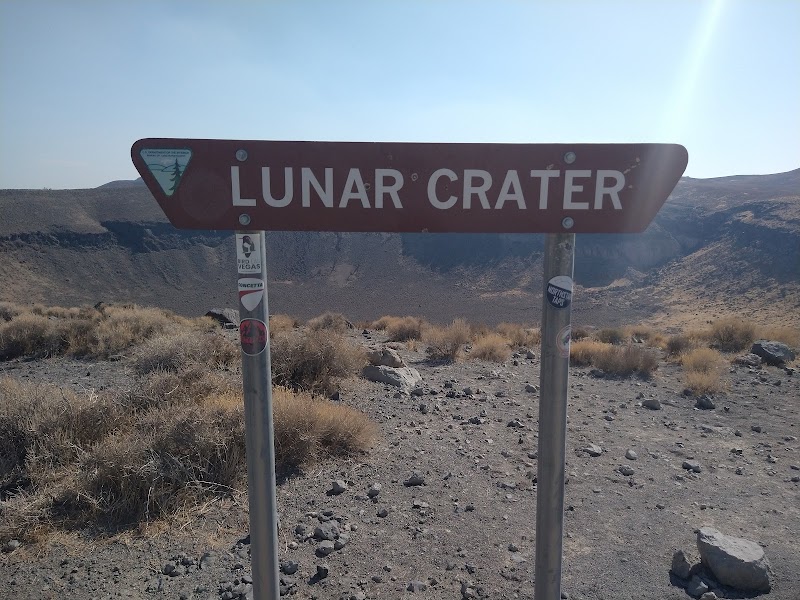
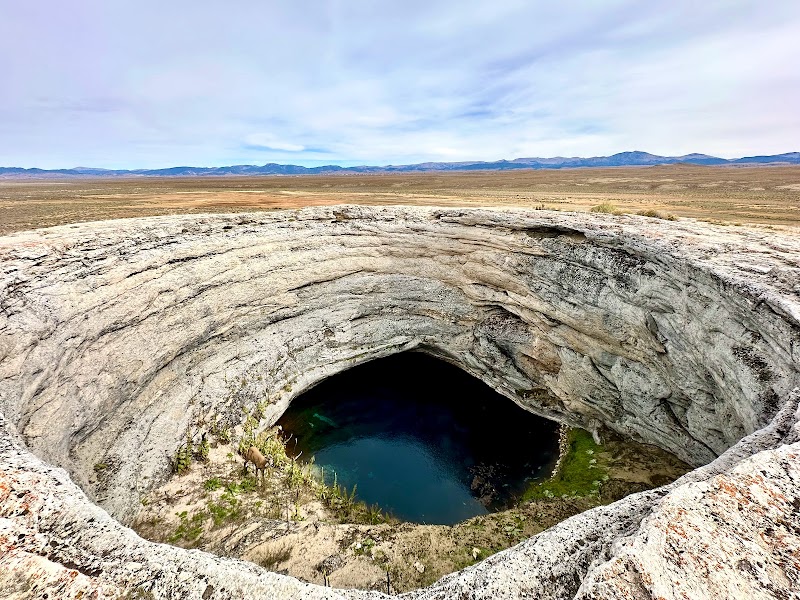
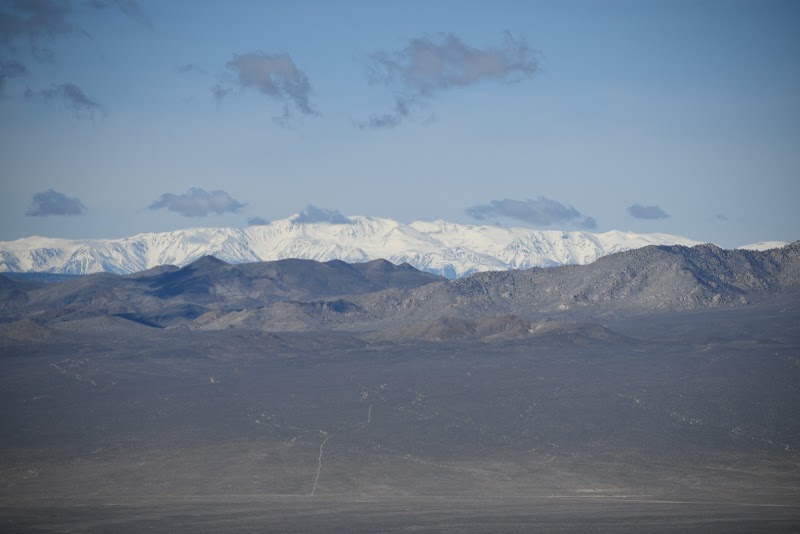
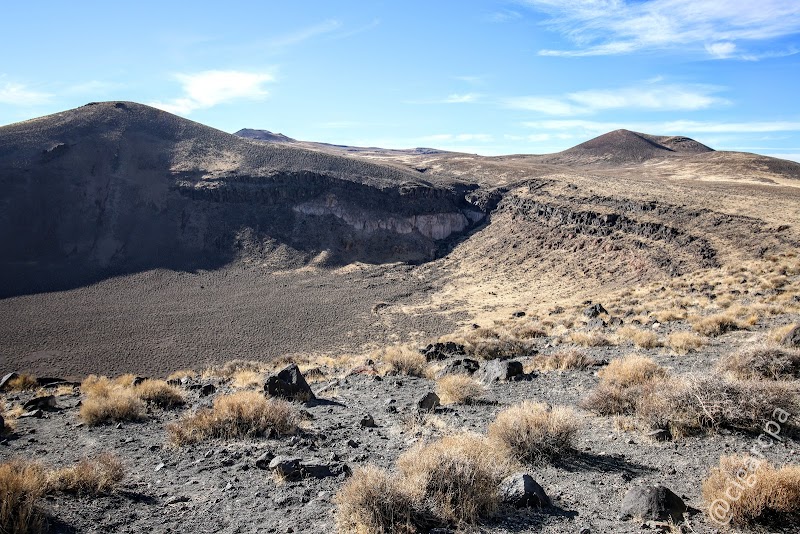
Lunar Crater, located in the desolate beauty of central Nevada, offers visitors a glimpse into a seemingly extraterrestrial landscape. This intriguing volcanic crater, part of the Lunar Crater National Natural Landmark, is surrounded by vast desert plains and rugged hills, creating a dramatic contrast against the expansive Nevada sky. The area is renowned for its unique volcanic formations—remnants of ancient eruptions that have sculpted the land into a lunar-like surface, hence the name.
Key features include the monumental crater itself, which spans approximately 430 acres and plunges about 430 feet deep. The region also showcases lava flows, cinder cones, and maars, providing a diverse geological tapestry. The stark beauty of this landscape is punctuated by panoramic views, offering a haven for photographers and nature enthusiasts alike. Visitors might also catch sight of desert flora and fauna that have adapted to this harsh yet captivating environment.
For those interested in geological history, Lunar Crater is an open book, detailing millions of years of volcanic activity. Recognized as a national natural landmark, this site has captivated both casual visitors and scientific researchers, offering insights into volcanic and geological processes rare in this region of the United States.
Adventure Guide
Adventure Guide to Lunar Crater
1. Hiking the Lunar Trail
- Highlights: The trail around the crater offers spectacular views into the caldera and across the desert.
- Features: Uneven volcanic terrain with stunning scenery; suitable for adventurous hikers.
- Local Insights: Keep an eye out for unique geological formations and desert wildlife.
- Visitor Tips: Best visited during spring or fall when temperatures are milder. Bring water, sunscreen, and a hat.
2. Photography Expeditions
- Highlights: Capture vast landscapes, shadowy craters, and vibrant sunsets over the desert skyline.
- Features: Ideal for both amateur and professional photographers.
- Local Insights: The early morning light offers the best shot opportunities.
- Visitor Tips: Plan your visit around sunrise or sunset for optimal lighting conditions.
3. Stargazing Nights
- Highlights: The remote location provides a dark sky, perfect for stargazing.
- Features: With minimal light pollution, the Milky Way is often visible.
- Local Insights: Ideal for astronomy enthusiasts and star-gazing tours.
- Visitor Tips: Bring a telescope or binoculars and warm clothing for chilly nights.
Visitor Tips
- Best Times:Spring and Fall for favorable conditions and optimal lighting.
- What to Bring:Plenty of water, sun protection, a camera, and respectful Leave-No-Trace mindset.