About this landmark
Tsingy De Bemaraha: Madagascar's Stone Forest
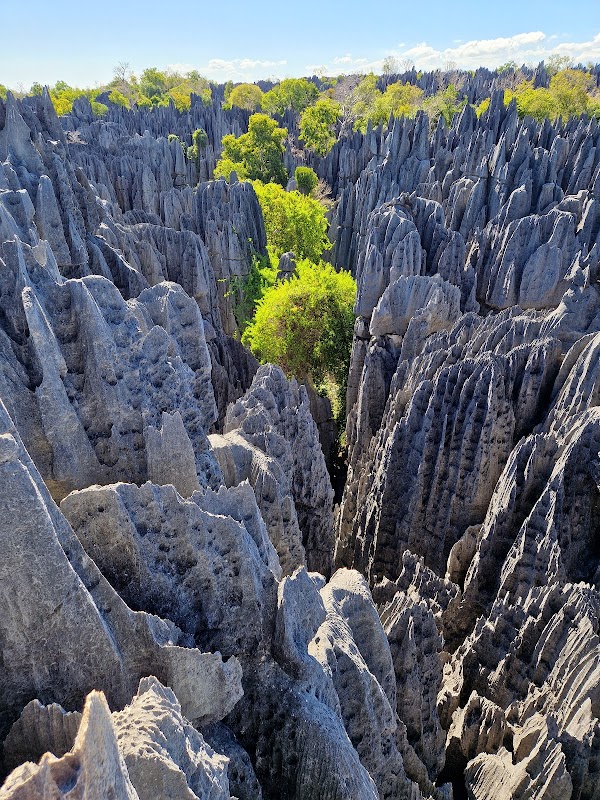
Tsingy De Bemaraha National Park, situated in Begara, Madagascar, is a spectacular natural wonder known for its unique limestone formations. These razor-sharp pinnacles, known as "tsingy," rise dramatically above the surrounding landscape, epitomizing nature's artistry. The park's rugged beauty makes it a must-visit for adventure enthusiasts and nature lovers alike.
Wander through the labyrinth of towering limestone, where geological marvels and endemic species coexist. The park is home to rare flora and fauna, including the Decken's sifaka lemur. Recognized as a UNESCO World Heritage site, Tsingy De Bemaraha showcases both ecological and cultural heritage, providing an unparalleled glimpse into the diversity of Madagascar.
Unearth the mysteries of this stone fortress and discover why it's considered one of the world's most fascinating natural landscapes. An adventure in Tsingy De Bemaraha is not just a journey through incredible terrain but a chance to immerse yourself in nature's grandeur.
Adventure Guide to Tsingy De Bemaraha National Park
Hiking the Grand Tsingy
- Features: Trek through a labyrinthine forest of limestone pinnacles.
- Highlights: Witness panoramic views and encounter unique wildlife.
- Tips: Best visited from June to November. Wear sturdy shoes and bring water.
Canoeing on the Manambolo River
- Features: Paddle through serene waters with views of towering cliffs.
- Highlights: Explore ancient caves and catch glimpses of lemurs.
- Tips: Morning tours are pleasant. Bring sunscreen and binoculars for wildlife spotting.
Exploring Andamozavaky Circuit
- Features: Traverse suspension bridges and remarkable landscapes.
- Highlights: Encounter endemic species along challenging trails.
- Tips: Guided tours recommended. Wear light clothing and insect repellent.
Visitor Tips
- Travel Time: Approximately 8 hours by road from Antananarivo.
- What to Bring: Comfortable clothing, camera, snacks.
- Local Insight: Engage with local guides to learn about the cultural significance of the park.
Visitor Tips
- Best Times:June to November for favorable conditions and optimal lighting.
- What to Bring:Plenty of water, sun protection, a camera, and respectful Leave-No-Trace mindset.