THE ADVENTURE COLLECTIVE® · Independent discovery and booking for outdoor travel

Make a full day of it: a private transfer from Zagreb to Split or Trogir that pauses at Plitvice Lakes National Park for guided walks, a boat across Lake Kozjak and time-tested local cuisine. Expect about 10 hours total and a carefully paced introduction to Croatia’s most elemental waters.
Make a full day of it: a private transfer from Zagreb to Split or Trogir that pauses at Plitvice Lakes National Park for guided walks, a boat across Lake Kozjak and time-tested local cuisine. Expect about 10 hours total and a carefully paced introduction to Croatia’s most elemental waters.
The minivan hums out of Zagreb before dawn; the highway eases, and the contours of Lika rise like a muted applause. By mid-morning you step onto a wooden boardwalk that threads across water so clear it argues with the idea of distance — aquamarine pools ringed in travertine, waterfalls that keep rearranging themselves as you move. The guide marks a slow, deliberate pace: stop, look, listen. Water finds you, daring you to follow its edges.
Verified experiences and guided adventures in the surrounding area.
Operated by South Tours Croatia · Plitvička Jezera, Lika-Senj County
The minivan hums out of Zagreb before dawn; the highway eases, and the contours of Lika rise like a muted applause. By mid-morning you step onto a wooden boardwalk that threads across water so clear it argues with the idea of distance — aquamarine pools ringed in travertine, waterfalls that keep rearranging themselves as you move. The guide marks a slow, deliberate pace: stop, look, listen. Water finds you, daring you to follow its edges.
Plitvice Lakes National Park is Croatia’s oldest national park, protected since 1949 and a UNESCO World Heritage Site since 1979. Its limestone geology is active: carbonate-rich springs deposit travertine barriers that lay down new terraces and channels across centuries. That process creates the park’s tiered lakes, shifting shorelines and the delicate wooden walkways that let you walk across what would otherwise be off-limits wetland.
Culturally, this is Lika country — a region shaped by pastoral life, Ottoman frontiers and Habsburg roads. Nearby villages like Korenica and the mill town of Rastoke (a short detour) offer hearty stews, smoked ham, and a chance to taste the local vratina (meat) and štrukli (cheese pastry) in family-run restaurants. The guide usually times lunch at a local konoba where bread and clarified butter arrive hot and uncomplicated.
On the itinerary: a guided walk that covers the main upper and lower lake circuits (expect around 3–5 km of walking on uneven wooden paths and stone steps), an electric boat crossing of Lake Kozjak, and a panoramic train/shuttle that cuts the edges of the park. The big waterfall, Veliki Slap, is the architectural climax — 78 meters of falling water that reorders the air with spray.
Practical guidance: this is a long day — roughly 10 hours door-to-door from Zagreb, with hotel drop-off in Split or Trogir. Wear waterproof shoes with good grip; boardwalks can be wet and slippery. Bring layered clothing: mornings in the karst highlands can be cool, while mid-afternoon heats up. The guide handles admission and logistics, but book the transfer early in high season; the park enforces visitor limits and lines at entrances can build quickly despite skip-the-line access.
Conservation matters here: stay on designated paths, avoid touching travertine formations and dispose of waste in town bins only. For photographers, aim for morning or late afternoon light to catch depth and reduce crowds. Whether you’re headed on to the Dalmatian coast or making the lakes the day’s highlight, the route is a study in movement — the road takes you between cities, but the park shows you how landscapes move themselves.
moderate.
10 hours.
Moderate — you should be able to walk 3–5 km on uneven surfaces and climb short flights of steps without difficulty
The guided visit typically runs 3–4 hours within the full 10-hour transfer schedule, allowing time for boardwalk circuits, the Kozjak boat ride and lunch.
Yes — the transfer package includes admission to Plitvice National Park and skip-the-line entry where available.
Yes — the service offers end-of-day drop-off in either Split or Trogir as selected when booking.
Lunch at a local restaurant is arranged but typically not included in the base fare; plan to pay for your meal at the konoba.
Yes — infant seats are available; however, families should be prepared for walking and the long day in a vehicle.
The tour may be canceled for severe weather; check cancellation policy (full refund up to 24 hours prior) and dress in layers for changeable conditions.
Plitvice has been protected since 1949 and was one of the first national parks in Southeast Europe; its UNESCO designation followed in 1979.
Visitor limits, designated boardwalks and strict waste rules protect fragile travertine formations and river systems — stay on paths and avoid single-use plastics.
South Tours Croatia operates guided outdoor trips and adventures with an emphasis on safety, stewardship, and memorable experiences.
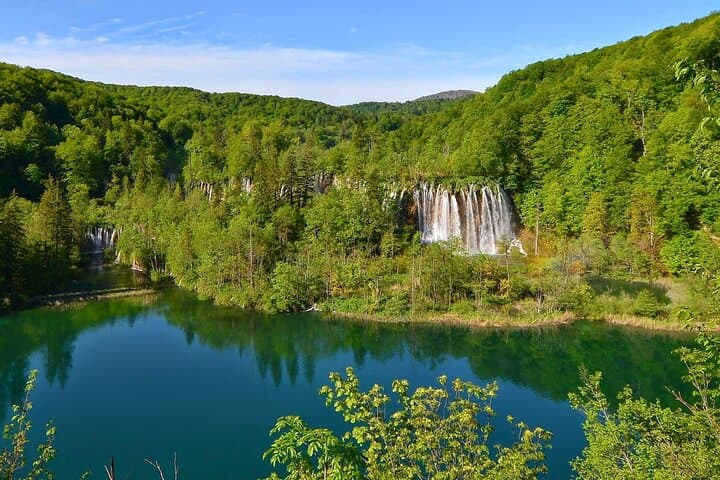
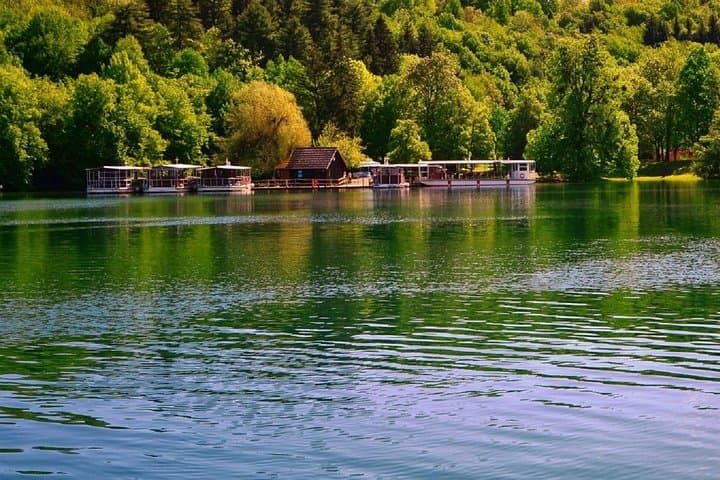
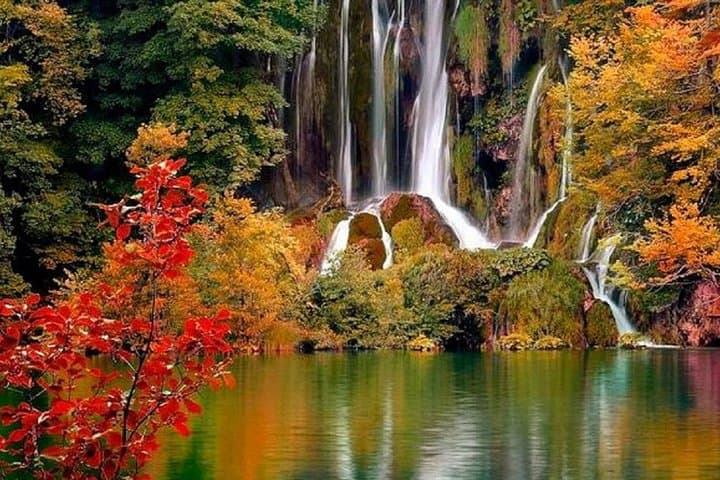
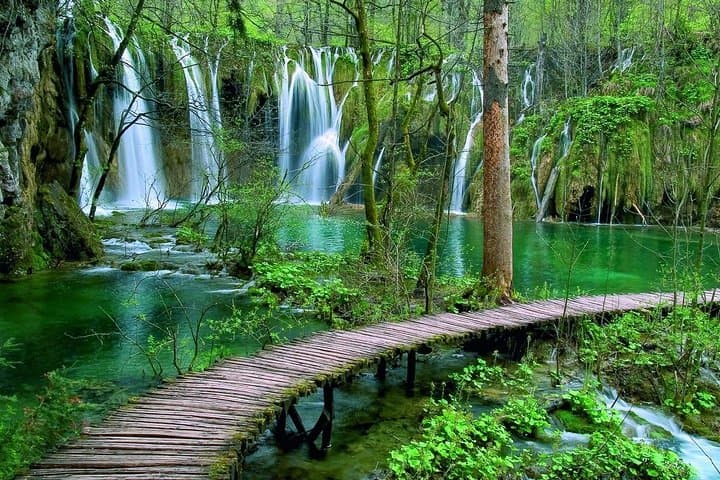
The minivan hums out of Zagreb before dawn; the highway eases, and the contours of Lika rise like a muted applause. By mid-morning you step onto a wooden boardwalk that threads across water so clear it argues with the idea of distance — aquamarine pools ringed in travertine, waterfalls that keep rearranging themselves as you move. The guide marks a slow, deliberate pace: stop, look, listen. Water finds you, daring you to follow its edges.
The minivan hums out of Zagreb before dawn; the highway eases, and the contours of Lika rise like a muted applause. By mid-morning you step onto a wooden boardwalk that threads across water so clear it argues with the idea of distance — aquamarine pools ringed in travertine, waterfalls that keep rearranging themselves as you move. The guide marks a slow, deliberate pace: stop, look, listen. Water finds you, daring you to follow its edges.
Plitvice Lakes National Park is Croatia’s oldest national park, protected since 1949 and a UNESCO World Heritage Site since 1979. Its limestone geology is active: carbonate-rich springs deposit travertine barriers that lay down new terraces and channels across centuries. That process creates the park’s tiered lakes, shifting shorelines and the delicate wooden walkways that let you walk across what would otherwise be off-limits wetland.
Culturally, this is Lika country — a region shaped by pastoral life, Ottoman frontiers and Habsburg roads. Nearby villages like Korenica and the mill town of Rastoke (a short detour) offer hearty stews, smoked ham, and a chance to taste the local vratina (meat) and štrukli (cheese pastry) in family-run restaurants. The guide usually times lunch at a local konoba where bread and clarified butter arrive hot and uncomplicated.
On the itinerary: a guided walk that covers the main upper and lower lake circuits (expect around 3–5 km of walking on uneven wooden paths and stone steps), an electric boat crossing of Lake Kozjak, and a panoramic train/shuttle that cuts the edges of the park. The big waterfall, Veliki Slap, is the architectural climax — 78 meters of falling water that reorders the air with spray.
Practical guidance: this is a long day — roughly 10 hours door-to-door from Zagreb, with hotel drop-off in Split or Trogir. Wear waterproof shoes with good grip; boardwalks can be wet and slippery. Bring layered clothing: mornings in the karst highlands can be cool, while mid-afternoon heats up. The guide handles admission and logistics, but book the transfer early in high season; the park enforces visitor limits and lines at entrances can build quickly despite skip-the-line access.
Conservation matters here: stay on designated paths, avoid touching travertine formations and dispose of waste in town bins only. For photographers, aim for morning or late afternoon light to catch depth and reduce crowds. Whether you’re headed on to the Dalmatian coast or making the lakes the day’s highlight, the route is a study in movement — the road takes you between cities, but the park shows you how landscapes move themselves.