THE ADVENTURE COLLECTIVE® · Independent discovery and booking for outdoor travel

A seamless door‑to‑door transfer from Zagreb to Split that stops for a three‑hour visit to Plitvice Lakes National Park. Comfortable minivan transport plus enough time to walk boardwalks, photograph waterfalls, and feel the force of a UNESCO‑listed landscape.
A seamless door‑to‑door transfer from Zagreb to Split that stops for a three‑hour visit to Plitvice Lakes National Park. Comfortable minivan transport plus enough time to walk boardwalks, photograph waterfalls, and feel the force of a UNESCO‑listed landscape.
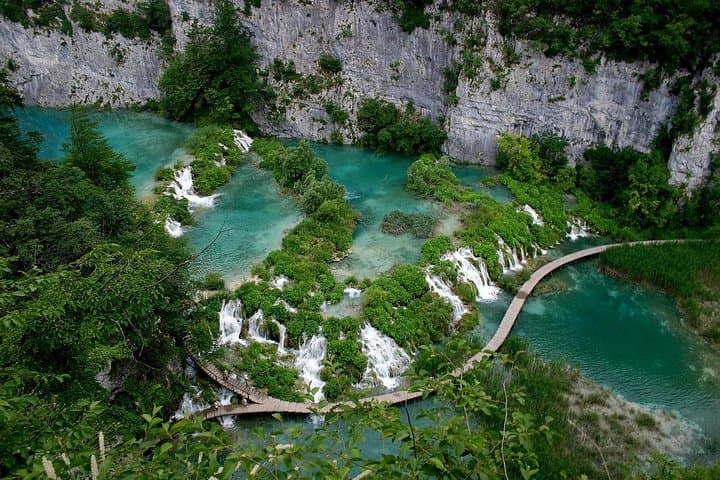
You step into the minivan in Zagreb while the city still rubs sleep from its eyes; a bottle of water waits in the seat pocket and the driver flicks on the heater or air-conditioning depending on the season. The road south peels past patchwork fields and karst hills, and three hours later the minivan slows into the park gate where the true landscape takes over: terraces of emerald lakes and waterfalls that seem to push and pull the air itself.
Verified experiences and guided adventures in the surrounding area.
Operated by Split-Transfers · Plitvička Jezera, Lika-Senj County
You step into the minivan in Zagreb while the city still rubs sleep from its eyes; a bottle of water waits in the seat pocket and the driver flicks on the heater or air-conditioning depending on the season. The road south peels past patchwork fields and karst hills, and three hours later the minivan slows into the park gate where the true landscape takes over: terraces of emerald lakes and waterfalls that seem to push and pull the air itself.
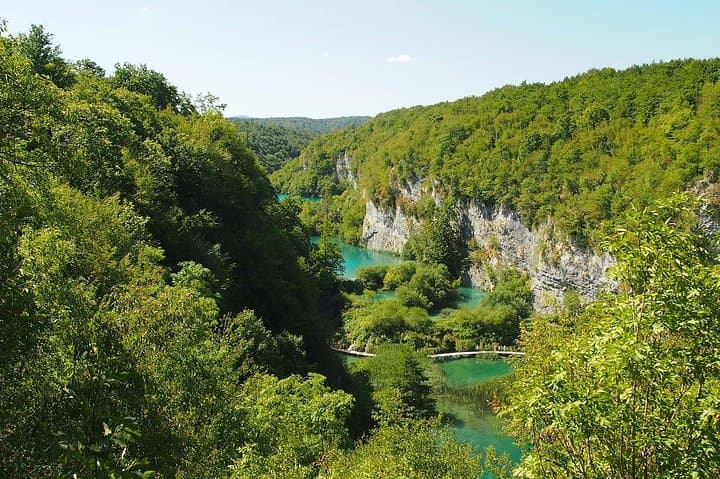
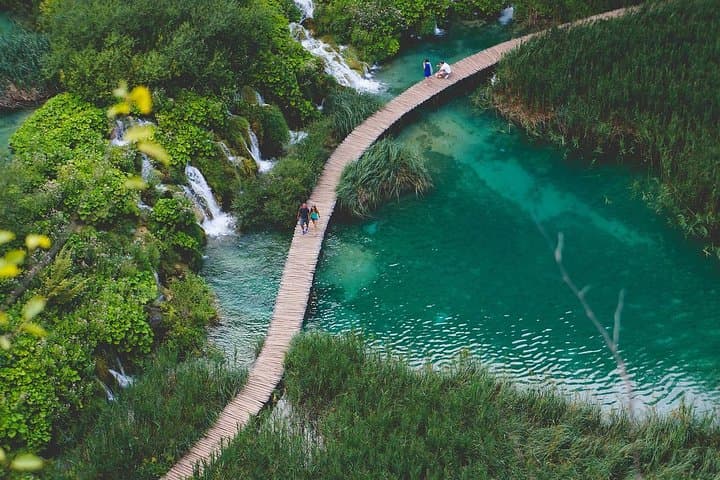
Plitvice Lakes National Park was designated a UNESCO World Heritage Site in 1979 for its distinctive travertine barriers formed by mineral-rich water and living moss. The park’s sixteen lakes sit across an eight-kilometre ribbon of limestone, linked by steps, cascades and wooden boardwalks that force you to move at the pace of the water. Geologically, the area is active — calcification continues to reshape channels — and ecologically it’s raw: deer and wild boar cruise the woods, and, on rare occasions, brown bears and wolves patrol the slopes.
Culturally, the route between Zagreb and Split has long been a corridor of exchange: small villages, roadside bakeries offering fresh burek, and the hamlet of Rastoke, with its own miniature waterfalls, are reminders that local life still orbits water. The transfer element of this trip is practical and efficient; the tour operator emphasizes door-to-door service, child seats on request, pet transport in crates, and luggage limits (one large bag and one carry-on per passenger unless otherwise arranged).
Practical guidance matters here. The experience runs about eight hours total with roughly three hours inside the park — enough to see major viewpoints but not to linger on every trail. Paths are largely wooden boardwalk and stone steps; they’re beautiful and uneven, and can be slippery after rain. Buy your park entrance ticket in advance when possible and plan to arrive early or late afternoon to avoid the busiest hours. Restrooms and a cafe are available near main access points, but bring water and snacks for the walk.
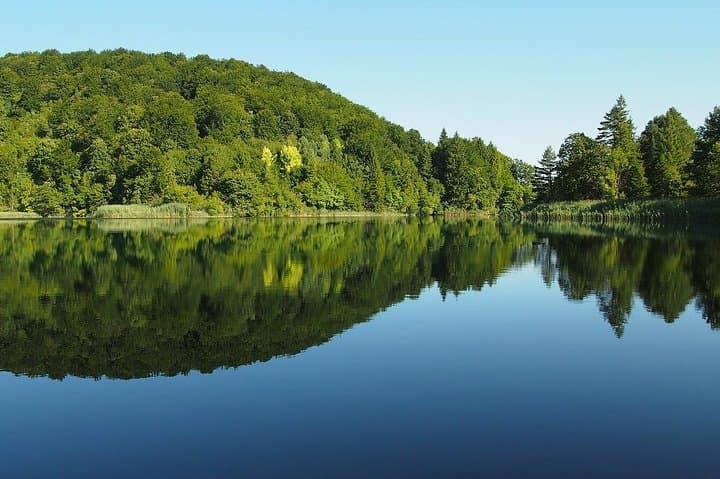
For footwear, aim for sturdy shoes with decent grip. Pack a lightweight rain layer at any time of year: the park’s microclimate is changeable and spray from waterfalls can chill you. Photographers should plan for reflections on the calm upper lakes at dawn and dramatic waterfall shots in softer afternoon light.
The transfer is straightforward logistics with atmospheric payoff: a comfortable vehicle, Wi‑Fi, and a driver who routes you through scenic pockets before delivering you onward to Split. It’s not a long wilderness expedition, but it is a concentrated encounter with one of Croatia’s most elemental landscapes — where water shapes the route, and the route shapes the day.
moderate.
8 hours.
Should be comfortable walking 2–3 hours over uneven boardwalks and stone steps; basic mobility required.
No — admission to Plitvice Lakes is not included in the transfer price, so buy tickets in advance or pay at the park.
The drive from central Zagreb to Plitvice is roughly 2.5–3 hours depending on traffic and weather; the full tour totals about 8 hours door‑to‑door.
Yes, pets are allowed in the vehicle if transported in an appropriate travel crate; inform the operator when booking.
Child and booster seats are available free of charge but must be requested at booking so the operator can prepare them.
There’s typically a short break for food at park cafés or picnic areas, but plan on quick options if you want more time walking the trails.
Many boardwalk sections are not wheelchair friendly; visitors with mobility concerns should contact the operator to discuss options and accessibility at specific park entrances.
Plitvice Lakes was inscribed as a UNESCO World Heritage Site in 1979 for its outstanding travertine-formation features and biodiversity.
The park’s travertine formations are fragile—stay on marked paths, avoid touching limestone, and do not swim in the lakes to protect ongoing mineral deposition.
Split-Transfers operates guided outdoor trips and adventures with an emphasis on safety, stewardship, and memorable experiences.
You step into the minivan in Zagreb while the city still rubs sleep from its eyes; a bottle of water waits in the seat pocket and the driver flicks on the heater or air-conditioning depending on the season. The road south peels past patchwork fields and karst hills, and three hours later the minivan slows into the park gate where the true landscape takes over: terraces of emerald lakes and waterfalls that seem to push and pull the air itself.
You step into the minivan in Zagreb while the city still rubs sleep from its eyes; a bottle of water waits in the seat pocket and the driver flicks on the heater or air-conditioning depending on the season. The road south peels past patchwork fields and karst hills, and three hours later the minivan slows into the park gate where the true landscape takes over: terraces of emerald lakes and waterfalls that seem to push and pull the air itself.
Plitvice Lakes National Park was designated a UNESCO World Heritage Site in 1979 for its distinctive travertine barriers formed by mineral-rich water and living moss. The park’s sixteen lakes sit across an eight-kilometre ribbon of limestone, linked by steps, cascades and wooden boardwalks that force you to move at the pace of the water. Geologically, the area is active — calcification continues to reshape channels — and ecologically it’s raw: deer and wild boar cruise the woods, and, on rare occasions, brown bears and wolves patrol the slopes.
Culturally, the route between Zagreb and Split has long been a corridor of exchange: small villages, roadside bakeries offering fresh burek, and the hamlet of Rastoke, with its own miniature waterfalls, are reminders that local life still orbits water. The transfer element of this trip is practical and efficient; the tour operator emphasizes door-to-door service, child seats on request, pet transport in crates, and luggage limits (one large bag and one carry-on per passenger unless otherwise arranged).
Practical guidance matters here. The experience runs about eight hours total with roughly three hours inside the park — enough to see major viewpoints but not to linger on every trail. Paths are largely wooden boardwalk and stone steps; they’re beautiful and uneven, and can be slippery after rain. Buy your park entrance ticket in advance when possible and plan to arrive early or late afternoon to avoid the busiest hours. Restrooms and a cafe are available near main access points, but bring water and snacks for the walk.
For footwear, aim for sturdy shoes with decent grip. Pack a lightweight rain layer at any time of year: the park’s microclimate is changeable and spray from waterfalls can chill you. Photographers should plan for reflections on the calm upper lakes at dawn and dramatic waterfall shots in softer afternoon light.
The transfer is straightforward logistics with atmospheric payoff: a comfortable vehicle, Wi‑Fi, and a driver who routes you through scenic pockets before delivering you onward to Split. It’s not a long wilderness expedition, but it is a concentrated encounter with one of Croatia’s most elemental landscapes — where water shapes the route, and the route shapes the day.