THE ADVENTURE COLLECTIVE® · Independent discovery and booking for outdoor travel

Skip the stress and let the road do the work: this private transfer connects Zagreb and Split with a focused visit to Plitvice Lakes, Croatia’s UNESCO jewel. Expect boardwalks above turquoise water, electric boats across Kozjak, and a driver-guide who keeps the day moving.
Skip the stress and let the road do the work: this private transfer connects Zagreb and Split with a focused visit to Plitvice Lakes, Croatia’s UNESCO jewel. Expect boardwalks above turquoise water, electric boats across Kozjak, and a driver-guide who keeps the day moving.
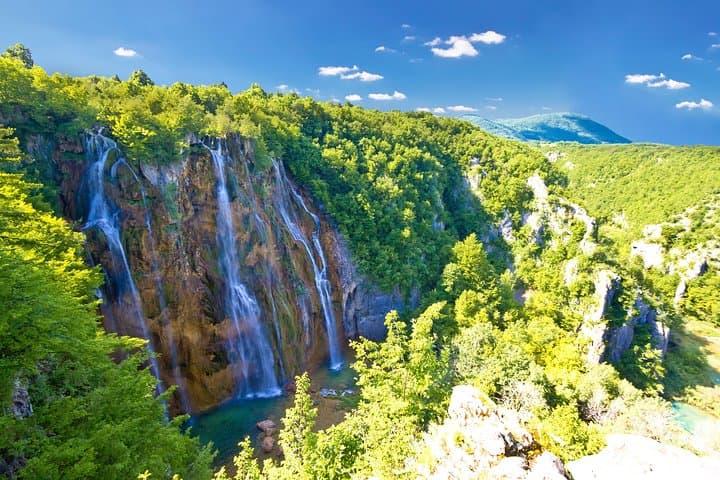
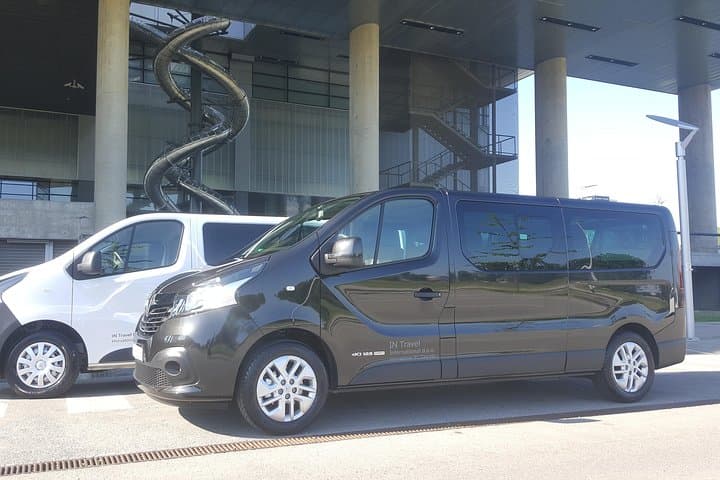
A hollow roar announces itself before the path opens: water from higher lakes finding its voice, cascading in ribbons of white and turquoise. Guests step from the minivan into a cool, humid air where moss grips stone and the Korana river seems to pull the eye downstream. On a private transfer from Zagreb to Split that pauses at Plitvice Lakes, travelers feel the geography of Croatia unfurl around them — karst plateaus giving way to tiered lakes hemmed by conifer and beech.
Verified experiences and guided adventures in the surrounding area.
Operated by IN travel International d.o.o. · Plitvička Jezera, Lika-Senj
A hollow roar announces itself before the path opens: water from higher lakes finding its voice, cascading in ribbons of white and turquoise. Guests step from the minivan into a cool, humid air where moss grips stone and the Korana river seems to pull the eye downstream. On a private transfer from Zagreb to Split that pauses at Plitvice Lakes, travelers feel the geography of Croatia unfurl around them — karst plateaus giving way to tiered lakes hemmed by conifer and beech.
Plitvice Lakes National Park is Croatia’s oldest national park and its only natural World Heritage Site. The park’s signature travertine dams — mineral-built walls of limestone — have been growing for millennia, trapping water and creating the stepped lakes visitors walk beside today. The beech and fir forests that cloak the slopes were shaped by centuries of human use: pastoral grazing, watermills that once powered grain, and small settlements whose traces can still be found near the Korana.
Culturally, the route between Zagreb, Plitvice and Split threads long-standing regional contrasts: inland Lika’s rugged quiet and Dalmatia’s Adriatic glare. The tour’s electric boat and panoramic train reinforce that contrast — quiet engines letting the landscape speak — while a private English-speaking driver ensures the day moves on local rhythms, not rigid timetables.
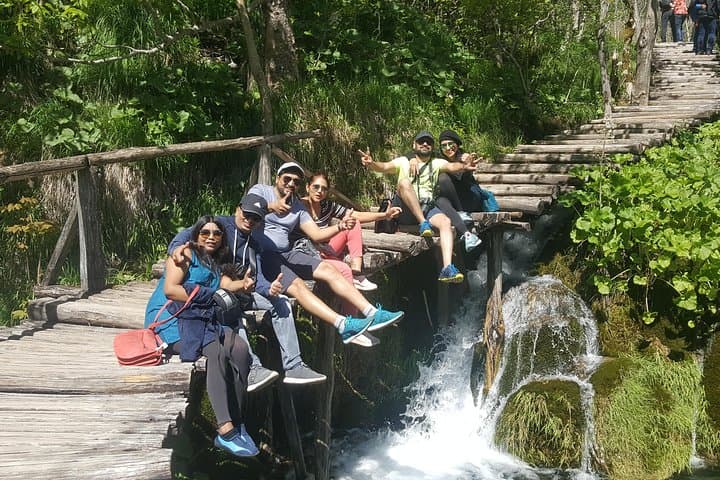
Practically, this is a long day built for people who want to maximize time in the park without the stress of logistics. Expect 8–10 hours overall: roughly 1.5 hours driving from Zagreb, three hours walking in Plitvice, and continuing toward Split if that’s your destination. The walking is mostly on well-constructed wooden boardwalks and marked trails, though sections can be wet and slippery — the park’s charisma is literal: rivers daring you to look too close.
Tips for planning: bring waterproof footwear and quick-dry layers, start early to avoid crowds at the busiest viewpoints, and budget time for the electric boat across Kozjak Lake. The private format skips entry lines, but weather can change quickly; the operator advises smart-casual dress but recommends comfortable shoes and a light rain shell. For photographers, the best light is morning and late afternoon when low sun explores the waterfalls' textures.
Whether you’re heading from Zagreb to Split or running the itinerary in reverse, this private transfer with a guided Plitvice stop is efficient, quietly luxurious in its pace, and focused on the place itself — the lakes, the waterfalls, and the slow, geological processes that keep making them.
moderate.
8–10 hours.
Suitable for travelers who can walk 3–5 miles (5–8 km) at a steady pace and manage some stair-like steps; not strenuous but requires endurance for a full day.
The itinerary includes about three hours in the park—enough to see key viewpoints, take the electric boat across Kozjak, and follow a guided loop on the boardwalks.
Admission is included and the private tour is guaranteed to skip the long entrance lines, speeding your entry during peak season.
Yes — the supplier notes the route is possible in either direction; confirm pickup and drop-off when booking.
Plitvice has extensive boardwalks but some sections include steps and uneven surfaces; travelers with serious mobility issues should inquire about specific route accessibility beforehand.
Meals are not included—there are cafés near the park entrances, and the driver can stop en route if requested; bring snacks for the walking portion.
An English-speaking driver/guide is standard; French-speaking guides are available on request—ask at booking.
The park’s travertine dams built over thousands of years turned river channels into the cascades seen today; the surrounding Lika region has long been a rural corridor between inland and coastal Croatia.
Plitvice is managed to protect karst water chemistry and forest habitats — follow marked trails, avoid swimming, and carry out any waste to support preservation.
IN travel International d.o.o. operates guided outdoor trips and adventures with an emphasis on safety, stewardship, and memorable experiences.
A hollow roar announces itself before the path opens: water from higher lakes finding its voice, cascading in ribbons of white and turquoise. Guests step from the minivan into a cool, humid air where moss grips stone and the Korana river seems to pull the eye downstream. On a private transfer from Zagreb to Split that pauses at Plitvice Lakes, travelers feel the geography of Croatia unfurl around them — karst plateaus giving way to tiered lakes hemmed by conifer and beech.
A hollow roar announces itself before the path opens: water from higher lakes finding its voice, cascading in ribbons of white and turquoise. Guests step from the minivan into a cool, humid air where moss grips stone and the Korana river seems to pull the eye downstream. On a private transfer from Zagreb to Split that pauses at Plitvice Lakes, travelers feel the geography of Croatia unfurl around them — karst plateaus giving way to tiered lakes hemmed by conifer and beech.
Plitvice Lakes National Park is Croatia’s oldest national park and its only natural World Heritage Site. The park’s signature travertine dams — mineral-built walls of limestone — have been growing for millennia, trapping water and creating the stepped lakes visitors walk beside today. The beech and fir forests that cloak the slopes were shaped by centuries of human use: pastoral grazing, watermills that once powered grain, and small settlements whose traces can still be found near the Korana.
Culturally, the route between Zagreb, Plitvice and Split threads long-standing regional contrasts: inland Lika’s rugged quiet and Dalmatia’s Adriatic glare. The tour’s electric boat and panoramic train reinforce that contrast — quiet engines letting the landscape speak — while a private English-speaking driver ensures the day moves on local rhythms, not rigid timetables.
Practically, this is a long day built for people who want to maximize time in the park without the stress of logistics. Expect 8–10 hours overall: roughly 1.5 hours driving from Zagreb, three hours walking in Plitvice, and continuing toward Split if that’s your destination. The walking is mostly on well-constructed wooden boardwalks and marked trails, though sections can be wet and slippery — the park’s charisma is literal: rivers daring you to look too close.
Tips for planning: bring waterproof footwear and quick-dry layers, start early to avoid crowds at the busiest viewpoints, and budget time for the electric boat across Kozjak Lake. The private format skips entry lines, but weather can change quickly; the operator advises smart-casual dress but recommends comfortable shoes and a light rain shell. For photographers, the best light is morning and late afternoon when low sun explores the waterfalls' textures.
Whether you’re heading from Zagreb to Split or running the itinerary in reverse, this private transfer with a guided Plitvice stop is efficient, quietly luxurious in its pace, and focused on the place itself — the lakes, the waterfalls, and the slow, geological processes that keep making them.