THE ADVENTURE COLLECTIVE® · Independent discovery and booking for outdoor travel

A private transfer that turns a cross-country drive into a day of tumbling waterfalls, watermill villages, and karst peaks. Travel between Zagreb and Split with a planned stop at Plitvice Lakes National Park for a three-hour walk, boat ride and lunch.
A private transfer that turns a cross-country drive into a day of tumbling waterfalls, watermill villages, and karst peaks. Travel between Zagreb and Split with a planned stop at Plitvice Lakes National Park for a three-hour walk, boat ride and lunch.
The van eases out of Zagreb before dawn, headlights cutting a ribbon through the low-lying mist of the Croatian hinterland. Conversation thins as the hills sharpen; limestone ridges rise and the road follows river valleys that seem to dare you to step out and follow. An hour in the driver eases off for Rastoke, where century-old watermills spill into turquoise channels and the town’s wooden bridges frame small cascades like living postcards.
Verified experiences and guided adventures in the surrounding area.
Operated by Click2Shuttle - Croatia Private Transfers & Tours · Plitvička Jezera, Lika-Senj County
The van eases out of Zagreb before dawn, headlights cutting a ribbon through the low-lying mist of the Croatian hinterland. Conversation thins as the hills sharpen; limestone ridges rise and the road follows river valleys that seem to dare you to step out and follow. An hour in the driver eases off for Rastoke, where century-old watermills spill into turquoise channels and the town’s wooden bridges frame small cascades like living postcards.
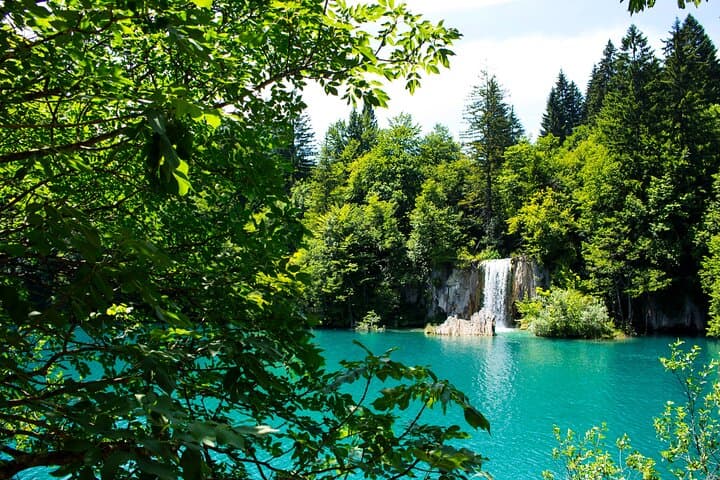
From Rastoke the route climbs into Lika country, and the geology changes: karst limestone worn into cliffs, sinkholes and travertine dams that give Plitvice Lakes their ladder of vivid pools. Plitvice National Park — Serbia’s neighbor to the south, but entirely Croatian and declared a UNESCO World Heritage Site in 1979 — is the reason many book this private transfer: walking boardwalks thread through temperate beech forest, electric boats skim across Kozjak Lake, and a road train ferries tired legs between upper and lower lakes.
The cultural notes are simple and honest: the Lika region favors robust, local food — trout, lamb, and cheese — served in family-run konobas near the park entrances. Rastoke itself acts as a historic gateway: wooden mills and small industrial relics recall an era when the Korana River powered everyday life here.
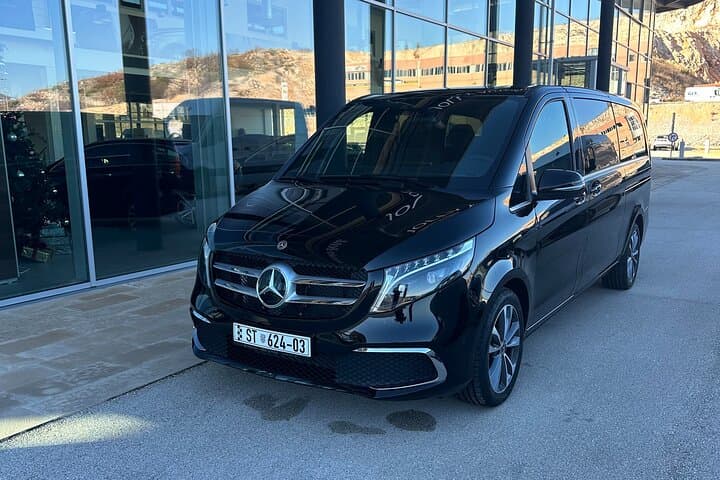
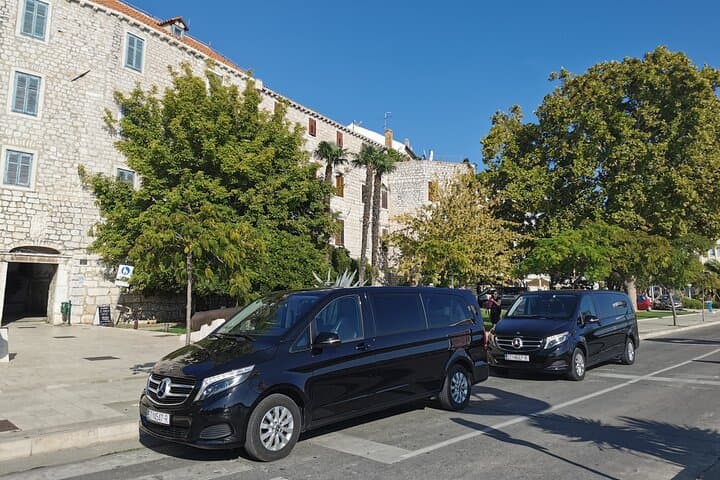
Practicalities shape the day. Expect a 10–12 hour window for the full transfer from Zagreb to Split with stops — roughly two hours driving to Plitvice, three hours inside the park, lunch and photo breaks, then the remaining drive to Split. The private vehicle comes air-conditioned, with onboard Wi‑Fi and bottled water; drivers can pick up from most Zagreb addresses and drop at a specified point in Split. Note that park entry fees are not always included and should be purchased in advance during high season to avoid queues.
For the walk: boardwalks are easy underfoot but can be slippery after rain; wear grippy shoes and bring a waterproof layer. If you want more than a surface visit, request a guide when booking — local guides will tighten your schedule into a route that matches mobility and interests. For photographers, early morning light and the quieter side trails reward persistence.
This transfer is logistical muscle and small-scale discovery in one: a comfortable, efficient way to move between Croatia’s two great cities while allowing the park to claim a meaningful slice of the day. Arrive in Split with a camera full of falls, lungs fuller from mountain air, and the coastline already calling.
easy.
10–12 hours.
Suitable for travelers in normal physical condition; expect 2–4 miles (3–6 km) of walking on uneven boardwalks and steps.
Admission is not guaranteed in the transfer price—confirm at booking; suppliers often advise buying timed-entry tickets separately during peak months.
The standard stop is about three hours inside the park, plus transit and a brief Rastoke visit; total tour time is 10–12 hours.
Yes—pickup from Zagreb and surrounding areas is offered; provide the exact address on confirmation, and note pedestrian-only zones may require a nearby meeting point.
Yes—this is a one-way private transfer using cars or minivans with options for an English-speaking guide at Plitvice if selected.
Infant seats are available on request—indicate age and requirements when booking so the operator can prepare them.
There are local restaurants near park entrances serving Lika specialties like trout and lamb; vendors also sell snacks near main routes but plan for a sit-down lunch if you prefer.
Plitvice Lakes is Croatia’s oldest national park and joined UNESCO’s World Heritage list in 1979; Rastoke’s historic mills reflect the region’s water-powered past.
Stay on boardwalks and marked trails to protect delicate travertine formations; the park limits access in high season to reduce impacts—follow park guidelines.
Click2Shuttle - Croatia Private Transfers & Tours operates guided outdoor trips and adventures with an emphasis on safety, stewardship, and memorable experiences.
The van eases out of Zagreb before dawn, headlights cutting a ribbon through the low-lying mist of the Croatian hinterland. Conversation thins as the hills sharpen; limestone ridges rise and the road follows river valleys that seem to dare you to step out and follow. An hour in the driver eases off for Rastoke, where century-old watermills spill into turquoise channels and the town’s wooden bridges frame small cascades like living postcards.
The van eases out of Zagreb before dawn, headlights cutting a ribbon through the low-lying mist of the Croatian hinterland. Conversation thins as the hills sharpen; limestone ridges rise and the road follows river valleys that seem to dare you to step out and follow. An hour in the driver eases off for Rastoke, where century-old watermills spill into turquoise channels and the town’s wooden bridges frame small cascades like living postcards.
From Rastoke the route climbs into Lika country, and the geology changes: karst limestone worn into cliffs, sinkholes and travertine dams that give Plitvice Lakes their ladder of vivid pools. Plitvice National Park — Serbia’s neighbor to the south, but entirely Croatian and declared a UNESCO World Heritage Site in 1979 — is the reason many book this private transfer: walking boardwalks thread through temperate beech forest, electric boats skim across Kozjak Lake, and a road train ferries tired legs between upper and lower lakes.
The cultural notes are simple and honest: the Lika region favors robust, local food — trout, lamb, and cheese — served in family-run konobas near the park entrances. Rastoke itself acts as a historic gateway: wooden mills and small industrial relics recall an era when the Korana River powered everyday life here.
Practicalities shape the day. Expect a 10–12 hour window for the full transfer from Zagreb to Split with stops — roughly two hours driving to Plitvice, three hours inside the park, lunch and photo breaks, then the remaining drive to Split. The private vehicle comes air-conditioned, with onboard Wi‑Fi and bottled water; drivers can pick up from most Zagreb addresses and drop at a specified point in Split. Note that park entry fees are not always included and should be purchased in advance during high season to avoid queues.
For the walk: boardwalks are easy underfoot but can be slippery after rain; wear grippy shoes and bring a waterproof layer. If you want more than a surface visit, request a guide when booking — local guides will tighten your schedule into a route that matches mobility and interests. For photographers, early morning light and the quieter side trails reward persistence.
This transfer is logistical muscle and small-scale discovery in one: a comfortable, efficient way to move between Croatia’s two great cities while allowing the park to claim a meaningful slice of the day. Arrive in Split with a camera full of falls, lungs fuller from mountain air, and the coastline already calling.