THE ADVENTURE COLLECTIVE® · Independent discovery and booking for outdoor travel

In four days this express tour stitches Zagreb’s streets, Plitvice’s cascading lakes, and Split’s Roman heartbeat into one compact itinerary. Ideal for travelers who want Croatia’s highlights with guided context and efficient logistics.
In four days this express tour stitches Zagreb’s streets, Plitvice’s cascading lakes, and Split’s Roman heartbeat into one compact itinerary. Ideal for travelers who want Croatia’s highlights with guided context and efficient logistics.
You step off the van in Zagreb and the city breathes around you—trams rattle, a short funicular hisses up the Gradec slope, and the guide points to a compact skyline where Austro-Hungarian facades meet modern cafés. The first morning moves at city pace: a quick ride on the world’s shortest funicular, a walking tour through the Upper Town, and then a window into Croatia’s folded past — narrow streets that still keep the cadence of market calls and espresso cups.
Verified experiences and guided adventures in the surrounding area.
Operated by Travelpoint travel agency · Zagreb, Zagreb
You step off the van in Zagreb and the city breathes around you—trams rattle, a short funicular hisses up the Gradec slope, and the guide points to a compact skyline where Austro-Hungarian facades meet modern cafés. The first morning moves at city pace: a quick ride on the world’s shortest funicular, a walking tour through the Upper Town, and then a window into Croatia’s folded past — narrow streets that still keep the cadence of market calls and espresso cups.
By day two the landscape changes like a film cut. The road slips into karst country: limestone ridges, pines, and the sudden green chasm of Plitvice Lakes National Park. Here the geology writes itself in terraces—16 interconnected lakes perched in a limestone canyon, their colors shifting from turquoise to jade as minerals and light play. The park’s boardwalks skim the water; every waterfall demands attention. Veliki Slap, a 78-meter curtain, makes you feel the scale of time and water’s steady patience.
Cultural notes thread through the itinerary. Zagreb’s layered history—Medieval Gradec and the Austro-Hungarian grid—gives way to Dalmatia’s Roman legacy once you reach Split. Diocletian’s Palace isn’t a single ruin but a living quarter: basilicas converted into cafés, cellars turned boutiques. The emperor’s walls shelter everyday life, and wandering the Peristyle at dusk, you’ll see history used rather than preserved under glass.
This express tour compresses those contrasts into four days without feeling rushed. Logistics are straightforward: comfortable, air-conditioned transfers, two nights in Zagreb, a night in Split, and entrance to Plitvice included. The rhythm is walking tours, scenic drives, and guided time at major sites—balanced for travelers who want depth on a short schedule.
Practical guidance: bring waterproof footwear for Plitvice’s wet boardwalks and a daypack for layers—mountain weather can come on fast. Mornings at Plitvice are best for light and fewer crowds; aim to be on the trails before mid-morning. Currency is euros in many places but the kuna is still common—carry a small amount of local cash. Expect some uphill walking in Zagreb’s Upper Town and uneven surfaces inside Diocletian’s Palace; moderate fitness makes the tour more enjoyable.
This is a trip for people who want to see Croatia’s spine—city, forest, coast—in a single, well-paced sweep. It’s efficient without being cursory, giving you stories to follow when you return: the hiss of a Croatian funicular, the thunder of a great waterfall, and the late-light hum of a Roman square.
moderate.
4 days.
Moderate fitness required—able to walk several hours across uneven paths and climb short flights of stairs.
The tour includes three nights—two in Zagreb and one in Split—accommodation in 4-star hotels is provided.
Yes, the ticket for Plitvice Lakes National Park is included in the tour price.
A moderate level of fitness is required: expect several hours of walking on uneven and sometimes steep terrain.
Yes—airport pickup is available; specify your arrival details when booking so pickup can be arranged.
It’s not recommended for pregnant travelers; children can join but should be comfortable with long drive segments and extended walking.
Guides typically provide commentary in English; confirm language options at booking for other languages.
Diocletian’s Palace dates to the 4th century AD and functions as a living historical quarter; Plitvice has protected status as a UNESCO World Heritage Site since 1979.
Plitvice enforces strict trail rules to protect fragile travertine formations—stay on boardwalks, avoid swimming, and follow park guidance to minimize impact.
Travelpoint travel agency operates guided outdoor trips and adventures with an emphasis on safety, stewardship, and memorable experiences.
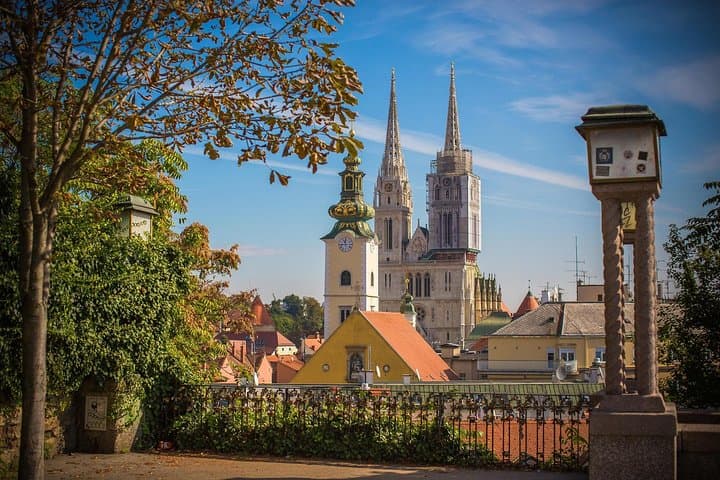
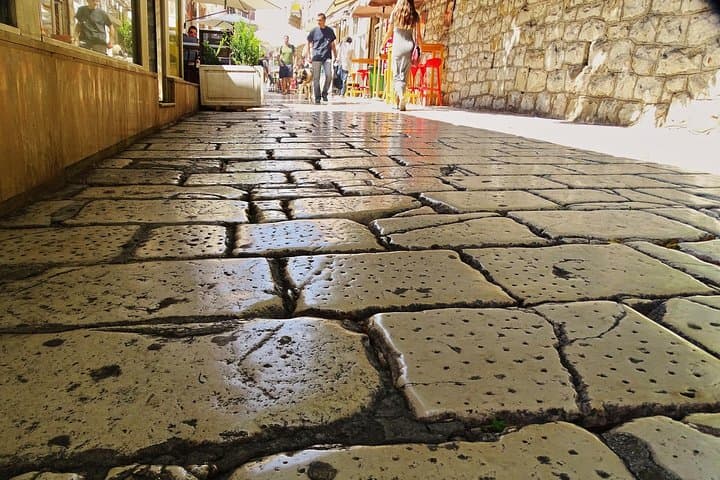
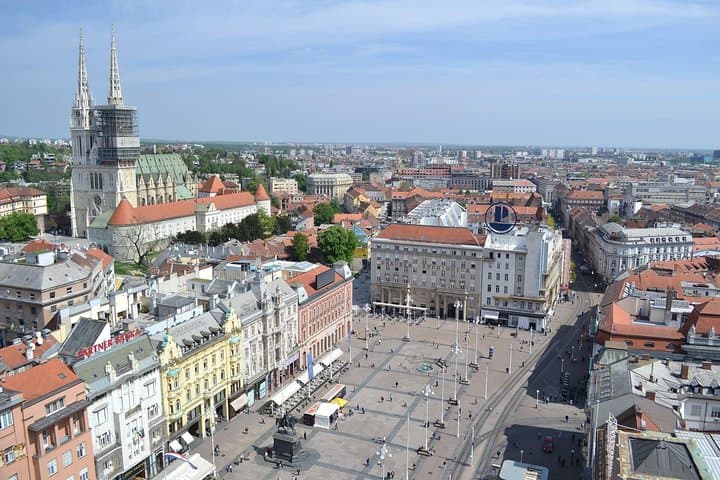
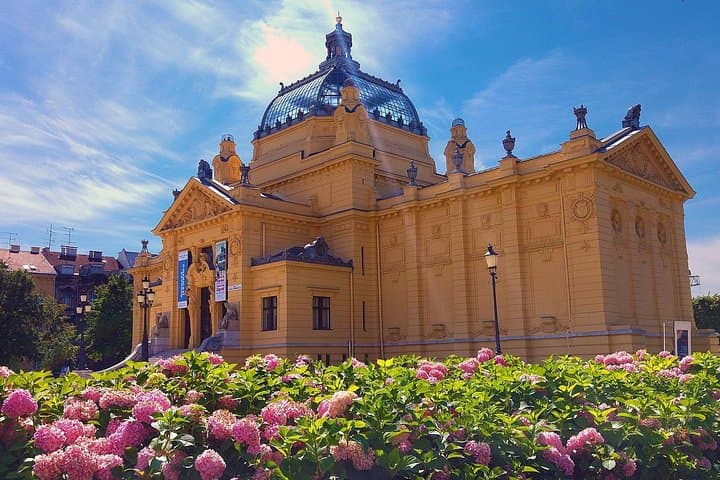
You step off the van in Zagreb and the city breathes around you—trams rattle, a short funicular hisses up the Gradec slope, and the guide points to a compact skyline where Austro-Hungarian facades meet modern cafés. The first morning moves at city pace: a quick ride on the world’s shortest funicular, a walking tour through the Upper Town, and then a window into Croatia’s folded past — narrow streets that still keep the cadence of market calls and espresso cups.
You step off the van in Zagreb and the city breathes around you—trams rattle, a short funicular hisses up the Gradec slope, and the guide points to a compact skyline where Austro-Hungarian facades meet modern cafés. The first morning moves at city pace: a quick ride on the world’s shortest funicular, a walking tour through the Upper Town, and then a window into Croatia’s folded past — narrow streets that still keep the cadence of market calls and espresso cups.
By day two the landscape changes like a film cut. The road slips into karst country: limestone ridges, pines, and the sudden green chasm of Plitvice Lakes National Park. Here the geology writes itself in terraces—16 interconnected lakes perched in a limestone canyon, their colors shifting from turquoise to jade as minerals and light play. The park’s boardwalks skim the water; every waterfall demands attention. Veliki Slap, a 78-meter curtain, makes you feel the scale of time and water’s steady patience.
Cultural notes thread through the itinerary. Zagreb’s layered history—Medieval Gradec and the Austro-Hungarian grid—gives way to Dalmatia’s Roman legacy once you reach Split. Diocletian’s Palace isn’t a single ruin but a living quarter: basilicas converted into cafés, cellars turned boutiques. The emperor’s walls shelter everyday life, and wandering the Peristyle at dusk, you’ll see history used rather than preserved under glass.
This express tour compresses those contrasts into four days without feeling rushed. Logistics are straightforward: comfortable, air-conditioned transfers, two nights in Zagreb, a night in Split, and entrance to Plitvice included. The rhythm is walking tours, scenic drives, and guided time at major sites—balanced for travelers who want depth on a short schedule.
Practical guidance: bring waterproof footwear for Plitvice’s wet boardwalks and a daypack for layers—mountain weather can come on fast. Mornings at Plitvice are best for light and fewer crowds; aim to be on the trails before mid-morning. Currency is euros in many places but the kuna is still common—carry a small amount of local cash. Expect some uphill walking in Zagreb’s Upper Town and uneven surfaces inside Diocletian’s Palace; moderate fitness makes the tour more enjoyable.
This is a trip for people who want to see Croatia’s spine—city, forest, coast—in a single, well-paced sweep. It’s efficient without being cursory, giving you stories to follow when you return: the hiss of a Croatian funicular, the thunder of a great waterfall, and the late-light hum of a Roman square.