THE ADVENTURE COLLECTIVE® · Independent discovery and booking for outdoor travel

Turn a Zagreb–Split transfer into a highlight of your trip: a guided day at Plitvice Lakes with boardwalk walks, a short train and boat ride, and a view of Veliki Slap. This well-paced tour combines comfort with a compact, expert-led exploration of Croatia’s most famous national park.
Turn a Zagreb–Split transfer into a highlight of your trip: a guided day at Plitvice Lakes with boardwalk walks, a short train and boat ride, and a view of Veliki Slap. This well-paced tour combines comfort with a compact, expert-led exploration of Croatia’s most famous national park.
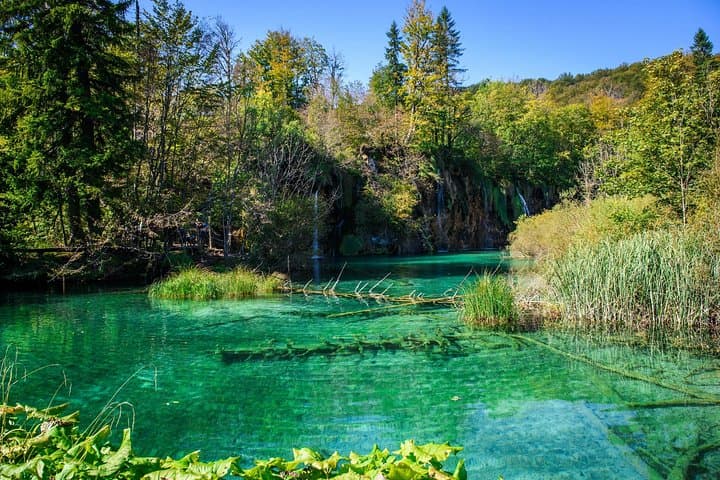
Morning light spills across the Croatian highway as the minivan pulls out of Zagreb—coffee cups clink, passports are checked, and a guide briefs the group on a compact day that feels surprisingly full. By midmorning the bus threads through the karst hills and the first glimpses of turquoise water appear through roadside pines: Plitvice Lakes. The park doesn't announce itself; it reveals, pool by pool, a slow-motion cascade that dares you to keep your camera in your bag.
Verified experiences and guided adventures in the surrounding area.
Operated by Tours in Croatia · Plitvička Jezera, Lika-Senj County
Morning light spills across the Croatian highway as the minivan pulls out of Zagreb—coffee cups clink, passports are checked, and a guide briefs the group on a compact day that feels surprisingly full. By midmorning the bus threads through the karst hills and the first glimpses of turquoise water appear through roadside pines: Plitvice Lakes. The park doesn't announce itself; it reveals, pool by pool, a slow-motion cascade that dares you to keep your camera in your bag.
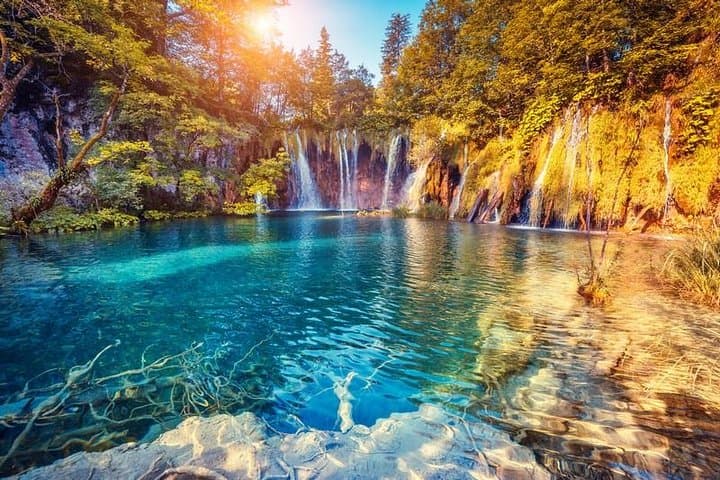
Plitvice Lakes National Park, on UNESCO’s World Heritage list since 1979, is a geological page-turner. Travertine dams, built by mineral-rich springs and mosses over millennia, have sculpted 16 terraced lakes and dozens of waterfalls—Veliki Slap, the Great Waterfall, drops 78 meters and serves as the park’s dramatic punctuation. The landscape sits on the boundary of Mediterranean and continental climates, where beech and fir forests meet karst limestone. Culturally, the park is woven into local identity: small mountain villages around the reserve have long harvested chestnuts and shepherded sheep across its slopes.
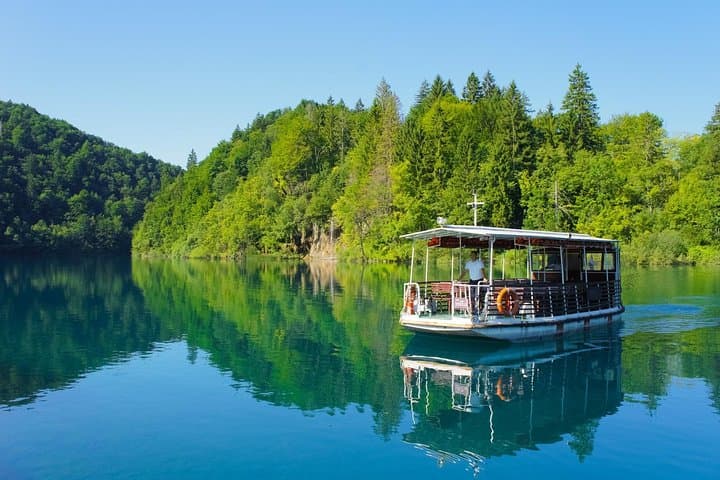
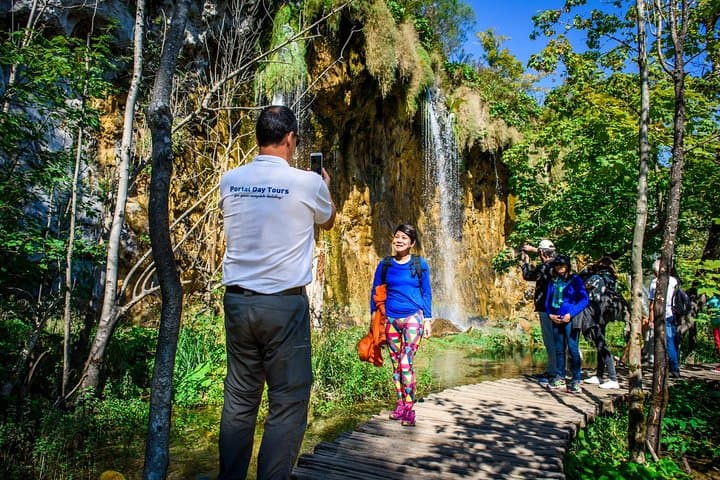
On this organized route you'll cover roughly 5 km of walking on wooden boardwalks and uneven stone paths, linked by a short train and a scenic electric boat ride that skirt the park’s quieter coves. The guide times stops to highlight viewpoints and to keep the group moving toward the Lower Lakes and Veliki Slap for peak photo opportunities.
Practicalities: the full experience is a long day—expect about 12 hours door-to-door from Zagreb to Split with multiple stops and short breaks. Wear grippy walking shoes; boardwalks can be wet and slippery year-round. Carry at least 1–1.5 liters of water, a compact rain jacket, and a light insulating layer—weather changes quickly in the higher valleys. Luggage is limited to one suitcase plus hand luggage and is stored on the vehicle during the visit.
Timing matters: arrive in Zagreb with energy—early starts mean smaller crowds at the most famous outlooks. If mobility is limited, this tour moves at a steady pace and includes stairs; it’s not recommended for those with serious walking disabilities. For photographers, the best light is morning for the Upper Lakes and late afternoon for Veliki Slap’s south-facing walls. Bring cash if you plan to buy a local lunch—the optional restaurant near the exit serves grilled trout and hearty stews.
This one-day transfer is efficient: it turns a long haul between Zagreb and Split into an immersive nature stop without the logistics of self-driving. You’ll leave with wet shoe prints, a memory of 78 meters of falling water, and a clearer sense of why Croatia guards these lakes so carefully.
moderate.
12 hours.
Good for travelers who can walk 5 km on uneven terrain and climb stairs; basic stamina required for a full-day outing.
The meeting point is Trg Nikole Subica Zrinjskog 2, by the meteorological display—arrive 15 minutes early for check-in.
Admission is not included in the basic tour price—expect to pay the park entry fee separately on arrival (seasonal rates apply).
Approximately 5 km on boardwalks and trails, covering highlights of the Upper and Lower Lakes; expect stairs and uneven surfaces.
Luggage is stored securely on the vehicle; each passenger may bring one suitcase and one piece of hand luggage on the tour.
Yes; children are welcome but must be accompanied by an adult and the tour notes that infants should sit on an adult’s lap in the vehicle.
The tour requires a moderate level of fitness and includes steps and uneven paths; it is not recommended for travelers with significant walking disabilities.
Plitvice’s travertine terraces formed over thousands of years as mineral-rich springs deposited calcium carbonate; the park’s protection dates to 1949 and UNESCO recognition followed in 1979.
Visitor flow is managed via marked routes and electric boats/trains to limit erosion; follow Leave No Trace principles and stay on boardwalks to protect delicate travertine and moss communities.
Tours in Croatia operates guided outdoor trips and adventures with an emphasis on safety, stewardship, and memorable experiences.
Morning light spills across the Croatian highway as the minivan pulls out of Zagreb—coffee cups clink, passports are checked, and a guide briefs the group on a compact day that feels surprisingly full. By midmorning the bus threads through the karst hills and the first glimpses of turquoise water appear through roadside pines: Plitvice Lakes. The park doesn't announce itself; it reveals, pool by pool, a slow-motion cascade that dares you to keep your camera in your bag.
Morning light spills across the Croatian highway as the minivan pulls out of Zagreb—coffee cups clink, passports are checked, and a guide briefs the group on a compact day that feels surprisingly full. By midmorning the bus threads through the karst hills and the first glimpses of turquoise water appear through roadside pines: Plitvice Lakes. The park doesn't announce itself; it reveals, pool by pool, a slow-motion cascade that dares you to keep your camera in your bag.
Plitvice Lakes National Park, on UNESCO’s World Heritage list since 1979, is a geological page-turner. Travertine dams, built by mineral-rich springs and mosses over millennia, have sculpted 16 terraced lakes and dozens of waterfalls—Veliki Slap, the Great Waterfall, drops 78 meters and serves as the park’s dramatic punctuation. The landscape sits on the boundary of Mediterranean and continental climates, where beech and fir forests meet karst limestone. Culturally, the park is woven into local identity: small mountain villages around the reserve have long harvested chestnuts and shepherded sheep across its slopes.
On this organized route you'll cover roughly 5 km of walking on wooden boardwalks and uneven stone paths, linked by a short train and a scenic electric boat ride that skirt the park’s quieter coves. The guide times stops to highlight viewpoints and to keep the group moving toward the Lower Lakes and Veliki Slap for peak photo opportunities.
Practicalities: the full experience is a long day—expect about 12 hours door-to-door from Zagreb to Split with multiple stops and short breaks. Wear grippy walking shoes; boardwalks can be wet and slippery year-round. Carry at least 1–1.5 liters of water, a compact rain jacket, and a light insulating layer—weather changes quickly in the higher valleys. Luggage is limited to one suitcase plus hand luggage and is stored on the vehicle during the visit.
Timing matters: arrive in Zagreb with energy—early starts mean smaller crowds at the most famous outlooks. If mobility is limited, this tour moves at a steady pace and includes stairs; it’s not recommended for those with serious walking disabilities. For photographers, the best light is morning for the Upper Lakes and late afternoon for Veliki Slap’s south-facing walls. Bring cash if you plan to buy a local lunch—the optional restaurant near the exit serves grilled trout and hearty stews.
This one-day transfer is efficient: it turns a long haul between Zagreb and Split into an immersive nature stop without the logistics of self-driving. You’ll leave with wet shoe prints, a memory of 78 meters of falling water, and a clearer sense of why Croatia guards these lakes so carefully.