THE ADVENTURE COLLECTIVE® · Independent discovery and booking for outdoor travel

Turn a simple transfer from Zagreb to Šibenik into a full-day exploration of Plitvice Lakes. This private service pairs comfortable transport with time to walk boardwalks, see waterfalls, and savor the geology and culture between inland Croatia and the Adriatic.
Turn a simple transfer from Zagreb to Šibenik into a full-day exploration of Plitvice Lakes. This private service pairs comfortable transport with time to walk boardwalks, see waterfalls, and savor the geology and culture between inland Croatia and the Adriatic.
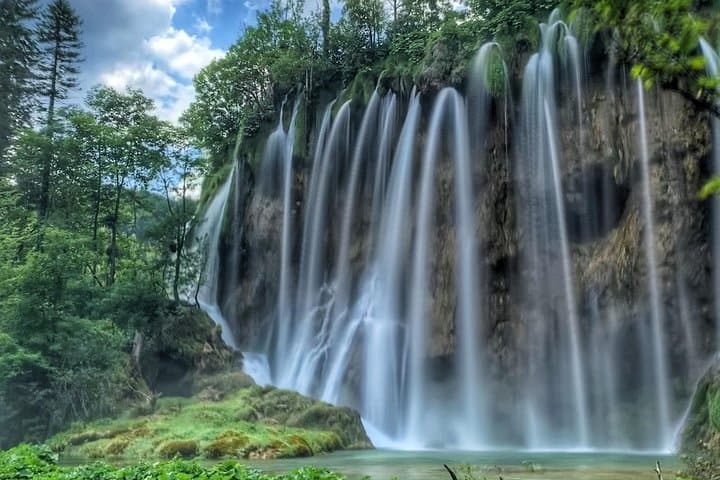
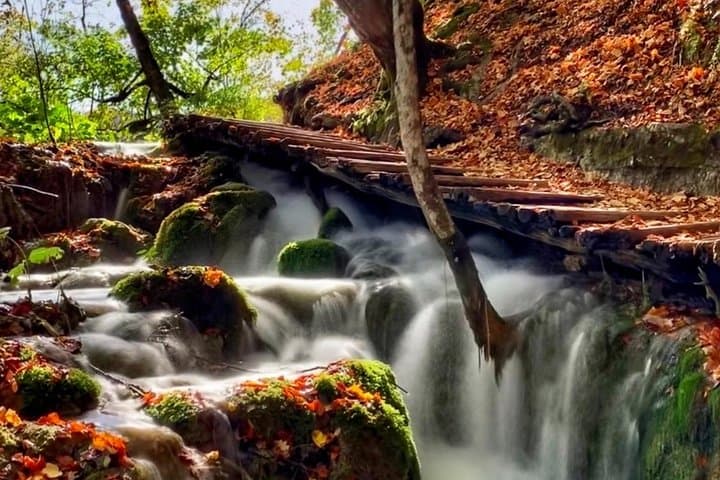
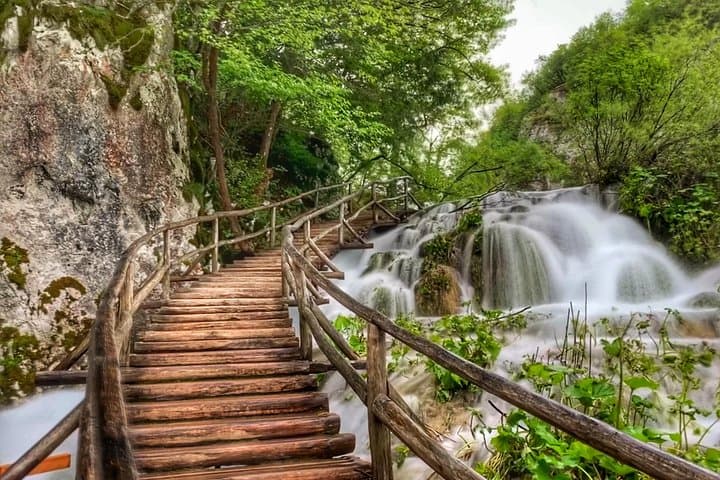
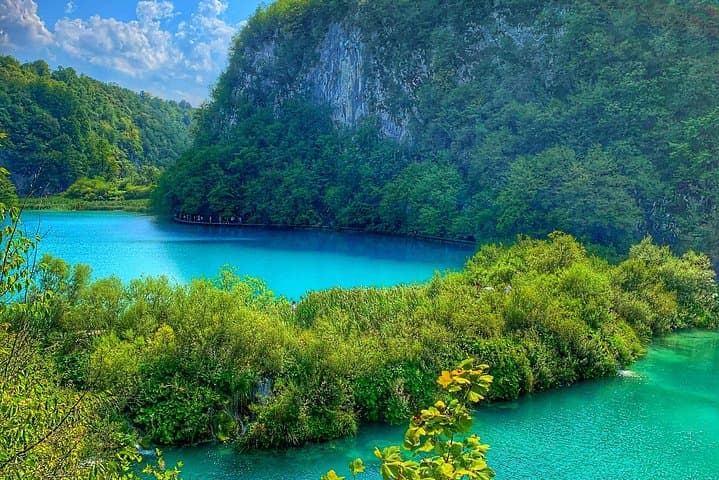
The road peels away from Zagreb and opens into a patchwork of karst limestone and fir forest. Windows frame a sequence of villages, steep ravines, and finally the first hints of turquoise through the trees. Midway you step onto a wooden boardwalk and the park takes command: waterfalls that will not be rushed, lakes that seem to slow time. A private vehicle waits at the end of the day to continue south to Šibenik, but the hours in Plitvice are the beating heart of the route — deliberate, wet, and bright.
Verified experiences and guided adventures in the surrounding area.
Operated by Limitless Balkan · Plitvička Jezera, Lika-Senj County
The road peels away from Zagreb and opens into a patchwork of karst limestone and fir forest. Windows frame a sequence of villages, steep ravines, and finally the first hints of turquoise through the trees. Midway you step onto a wooden boardwalk and the park takes command: waterfalls that will not be rushed, lakes that seem to slow time. A private vehicle waits at the end of the day to continue south to Šibenik, but the hours in Plitvice are the beating heart of the route — deliberate, wet, and bright.
Plitvice Lakes National Park is Croatia’s oldest national park and a UNESCO World Heritage site since 1979. The park’s geology is an active lesson in tufa formation: mineral-rich water deposits travertine over millennia, building natural dams that cradle cascading basins. Human settlements around the park evolved around watermills and shepherding; nearby Rastoke still preserves working wooden mills and small waterfalls where local life met hydraulics for centuries.
Culturally, the drive between Zagreb and Šibenik traces a shift from inland continental Croatia into the Adriatic’s influence. Lunch options change from hearty mountain dishes and smoked cheeses near Plitvice to seafood and olive oil as you reach Šibenik. The landscape also changes from dense beech and fir to lower scrub and pine closer to the coast.
Practical guide: expect an all-day commitment — plan for 8–12 hours total. The operator offers private, air-conditioned transport with on-board Wi‑Fi and bottled water; a licensed English-speaking driver/guide is available if selected. Admission to Plitvice is not included in the transfer price, so pre-book Park tickets during high season to avoid long lines. Boardwalks are well maintained but can be slippery after rain; comfortable walking shoes and a light rain layer will keep you moving.
Timing matters. Start early from Zagreb to avoid midday crowds at the bigger waterfalls and to get softer light for photos. Choose the South or North entrance based on the park route you prefer — long loops take you past the Great Waterfall (Veliki Slap) and across Lake Kozjak by shuttle boat. The walk is moderate: expect several kilometers on mixed gravel trails, stairs, and wooden paths. If mobility is limited, confirm accessible routing and vehicle drop-off with the operator in advance.
Local tip: weave a brief stop in Rastoke into the itinerary if you want a quieter introduction to water-powered village life. Keep ecological impact in mind: stay on marked trails, carry out waste, and avoid feeding wildlife. With a private transfer, the day blends convenience and exploration — a practical way to see one of Europe’s most animated hydrogeological landscapes before arriving at the sunlit harbor city of Šibenik.
moderate.
8–12 hours.
Moderate fitness needed — several kilometers of walking over mixed terrain and stairs; comfortable pace suffices.
No — entrance fees to Plitvice Lakes are not included; you must purchase tickets separately (online booking recommended in peak season).
Typical itineraries allow about 3 hours for self-guided exploration, but total trip time (including driving) is 8–12 hours depending on traffic and options chosen.
An English-speaking guide can be arranged if selected, but official park guides for in-depth interpretation may be an additional hire inside the park.
Yes — infant seats and stroller-accessible sections are possible, but some boardwalks and trails include steps; check accessibility needs in advance.
Pick-up is available from hotels and accommodations in Zagreb; drop-off is at your chosen address in Šibenik. Confirm exact locations when booking.
Carry snacks and water for the walk; there are cafes near park entrances and small restaurants en route, but options are limited inside the park areas.
Plitvice Lakes was designated Croatia’s first national park in 1949 and joined UNESCO in 1979 for its active travertine formation and outstanding natural features.
The park enforces strict trail use to protect fragile travertine dams; visitors should stick to boardwalks, avoid swimming, and minimize noise and litter.
Limitless Balkan operates guided outdoor trips and adventures with an emphasis on safety, stewardship, and memorable experiences.
The road peels away from Zagreb and opens into a patchwork of karst limestone and fir forest. Windows frame a sequence of villages, steep ravines, and finally the first hints of turquoise through the trees. Midway you step onto a wooden boardwalk and the park takes command: waterfalls that will not be rushed, lakes that seem to slow time. A private vehicle waits at the end of the day to continue south to Šibenik, but the hours in Plitvice are the beating heart of the route — deliberate, wet, and bright.
The road peels away from Zagreb and opens into a patchwork of karst limestone and fir forest. Windows frame a sequence of villages, steep ravines, and finally the first hints of turquoise through the trees. Midway you step onto a wooden boardwalk and the park takes command: waterfalls that will not be rushed, lakes that seem to slow time. A private vehicle waits at the end of the day to continue south to Šibenik, but the hours in Plitvice are the beating heart of the route — deliberate, wet, and bright.
Plitvice Lakes National Park is Croatia’s oldest national park and a UNESCO World Heritage site since 1979. The park’s geology is an active lesson in tufa formation: mineral-rich water deposits travertine over millennia, building natural dams that cradle cascading basins. Human settlements around the park evolved around watermills and shepherding; nearby Rastoke still preserves working wooden mills and small waterfalls where local life met hydraulics for centuries.
Culturally, the drive between Zagreb and Šibenik traces a shift from inland continental Croatia into the Adriatic’s influence. Lunch options change from hearty mountain dishes and smoked cheeses near Plitvice to seafood and olive oil as you reach Šibenik. The landscape also changes from dense beech and fir to lower scrub and pine closer to the coast.
Practical guide: expect an all-day commitment — plan for 8–12 hours total. The operator offers private, air-conditioned transport with on-board Wi‑Fi and bottled water; a licensed English-speaking driver/guide is available if selected. Admission to Plitvice is not included in the transfer price, so pre-book Park tickets during high season to avoid long lines. Boardwalks are well maintained but can be slippery after rain; comfortable walking shoes and a light rain layer will keep you moving.
Timing matters. Start early from Zagreb to avoid midday crowds at the bigger waterfalls and to get softer light for photos. Choose the South or North entrance based on the park route you prefer — long loops take you past the Great Waterfall (Veliki Slap) and across Lake Kozjak by shuttle boat. The walk is moderate: expect several kilometers on mixed gravel trails, stairs, and wooden paths. If mobility is limited, confirm accessible routing and vehicle drop-off with the operator in advance.
Local tip: weave a brief stop in Rastoke into the itinerary if you want a quieter introduction to water-powered village life. Keep ecological impact in mind: stay on marked trails, carry out waste, and avoid feeding wildlife. With a private transfer, the day blends convenience and exploration — a practical way to see one of Europe’s most animated hydrogeological landscapes before arriving at the sunlit harbor city of Šibenik.