THE ADVENTURE COLLECTIVE® · Independent discovery and booking for outdoor travel

A door-to-door private transfer that turns a long cross-country ride into a paced encounter with Plitvice Lakes and the mill-lined village of Rastoke. Spend focused time on the boardwalks, skip long waits with prebooked park tickets, and arrive in Zagreb by evening.
A door-to-door private transfer that turns a long cross-country ride into a paced encounter with Plitvice Lakes and the mill-lined village of Rastoke. Spend focused time on the boardwalks, skip long waits with prebooked park tickets, and arrive in Zagreb by evening.
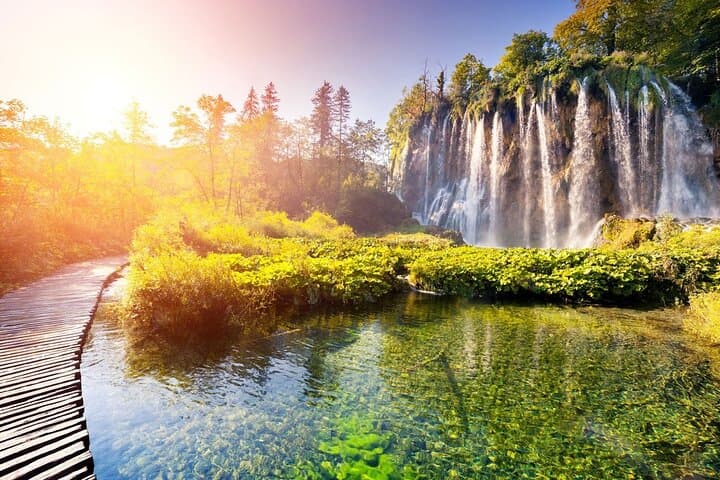
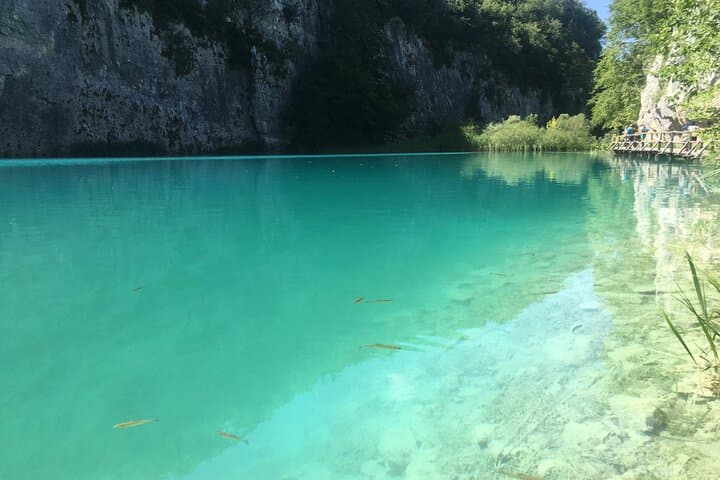
You arrive at the wooden boardwalk as mist threads through beech and spruce, the air carrying the soft percussion of dozens of waterfalls. Sun cuts through the canopy in slices, and the lakes — each a different, impossible blue — hold mirror images of the karst cliffs above them. This is Plitvice Lakes National Park, and on a private transfer from Zadar to Zagreb it becomes less a rushed photo stop and more a deliberate, paced walk through an ancient water system.
Verified experiences and guided adventures in the surrounding area.
Operated by Wanderer · Plitvička Jezera, Lika-Senj County
You arrive at the wooden boardwalk as mist threads through beech and spruce, the air carrying the soft percussion of dozens of waterfalls. Sun cuts through the canopy in slices, and the lakes — each a different, impossible blue — hold mirror images of the karst cliffs above them. This is Plitvice Lakes National Park, and on a private transfer from Zadar to Zagreb it becomes less a rushed photo stop and more a deliberate, paced walk through an ancient water system.
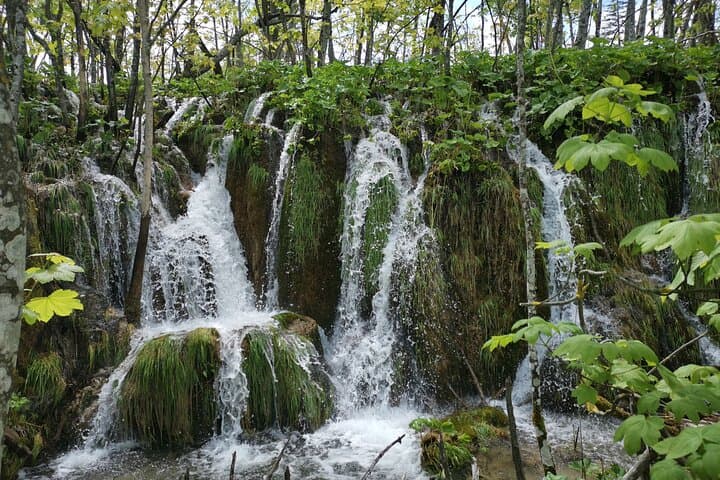
The park’s terraces of travertine dams were built by living things: algae and mosses that trap calcium carbonate and slowly raise the lake basins. Geologically, the landscape flips between dolomite on the upper lakes and limestone below, which is why water here behaves like a craftsman, carving cascades and basins in stages. The result is sixteen linked lakes and dozens of falls — Veliki Slap, the biggest at 78 meters, is the most theatrical — and a boardwalk network that lets you get close without trampling the fragile travertine.
Culturally, this drive stitches together two very different Croatian experiences. Zadar’s Roman forum and sea organ sit on the Adriatic’s edge; inland, Rastoke village — with its old mills and stepped mini-waterfalls where the Slunjčica meets the Korana — reads like a living ethnographic postcard. Historically, Plitvice’s UNESCO status helped formalize protections that limit visitor numbers in peak months, so timing matters.
Practically, expect roughly 2 hours of driving from Zadar to the park, a recommended 3–4 hours inside Plitvice for the main lakes and falls, then a short halt in Rastoke for lunch before the onward 2–3 hour drive to Zagreb. The arranged private vehicle is door-to-door and gives you flexibility, but park tickets are not included — buy them in advance on the national park site to avoid queues, especially in summer.
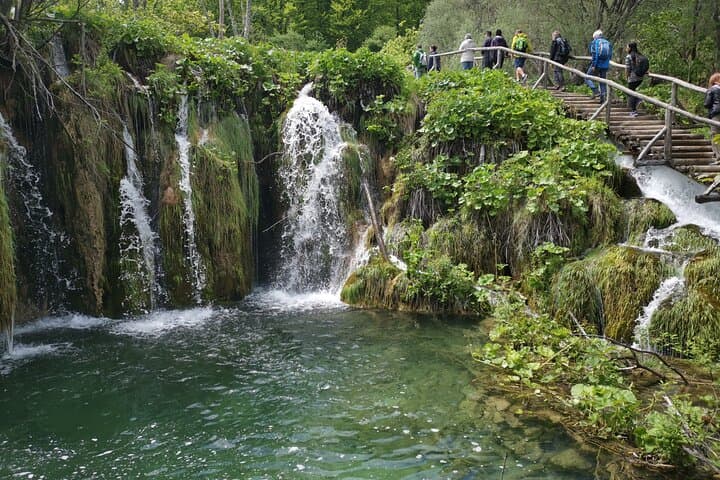
On the trails you’ll cover 4–6 km on mostly flat boardwalks and forest trails with intermittent steps; cumulative elevation gain is modest (under 150 m), but some routes include steep stairways. Footwear with good grip is essential; layers are smart because mornings can be cool and misty while afternoons warm quickly. Bring water and a small daypack; keep to marked paths to protect the travertine formations and nesting birds.
This transfer is ideal for travelers who prefer structure without rush: you leave the driving to a local, arrive early enough for quieter light, and still make it to Zagreb by evening. The day folds together seaside beginnings, inland geology, and village life — all threaded by water daring you to follow it downstream.
easy.
10 hours.
Suitable for travelers in average fitness; walking 4–6 km with some stairs and short standing periods.
No — tickets for Plitvice Lakes must be purchased separately on the National Park’s official website and prices vary by season and age.
Typical itineraries allot about 3–4 hours inside the park, enough for the main lakes and Veliki Slap via the boardwalk circuits.
The service is door-to-door within designated pickup zones; if your accommodation has traffic limits, the driver will arrange the closest convenient pickup point.
Rastoke usually receives a short stop of about 20–40 minutes for photos and a quick lunch—longer if you request it in advance.
Yes — the operator provides specialized infant seats and the route is rated physically easy for varying fitness levels.
The tour may be canceled for severe weather; check refund terms and cancellation window (full refund for cancellations 24 hours prior).
Plitvice was the first Croatian site placed on the UNESCO World Heritage list, protected for its ongoing travertine formation and unique karst hydrology.
The park limits visitor numbers and channels people along boardwalks to preserve fragile travertine dams; follow signage and avoid off-trail walking.
Wanderer operates guided outdoor trips and adventures with an emphasis on safety, stewardship, and memorable experiences.
You arrive at the wooden boardwalk as mist threads through beech and spruce, the air carrying the soft percussion of dozens of waterfalls. Sun cuts through the canopy in slices, and the lakes — each a different, impossible blue — hold mirror images of the karst cliffs above them. This is Plitvice Lakes National Park, and on a private transfer from Zadar to Zagreb it becomes less a rushed photo stop and more a deliberate, paced walk through an ancient water system.
You arrive at the wooden boardwalk as mist threads through beech and spruce, the air carrying the soft percussion of dozens of waterfalls. Sun cuts through the canopy in slices, and the lakes — each a different, impossible blue — hold mirror images of the karst cliffs above them. This is Plitvice Lakes National Park, and on a private transfer from Zadar to Zagreb it becomes less a rushed photo stop and more a deliberate, paced walk through an ancient water system.
The park’s terraces of travertine dams were built by living things: algae and mosses that trap calcium carbonate and slowly raise the lake basins. Geologically, the landscape flips between dolomite on the upper lakes and limestone below, which is why water here behaves like a craftsman, carving cascades and basins in stages. The result is sixteen linked lakes and dozens of falls — Veliki Slap, the biggest at 78 meters, is the most theatrical — and a boardwalk network that lets you get close without trampling the fragile travertine.
Culturally, this drive stitches together two very different Croatian experiences. Zadar’s Roman forum and sea organ sit on the Adriatic’s edge; inland, Rastoke village — with its old mills and stepped mini-waterfalls where the Slunjčica meets the Korana — reads like a living ethnographic postcard. Historically, Plitvice’s UNESCO status helped formalize protections that limit visitor numbers in peak months, so timing matters.
Practically, expect roughly 2 hours of driving from Zadar to the park, a recommended 3–4 hours inside Plitvice for the main lakes and falls, then a short halt in Rastoke for lunch before the onward 2–3 hour drive to Zagreb. The arranged private vehicle is door-to-door and gives you flexibility, but park tickets are not included — buy them in advance on the national park site to avoid queues, especially in summer.
On the trails you’ll cover 4–6 km on mostly flat boardwalks and forest trails with intermittent steps; cumulative elevation gain is modest (under 150 m), but some routes include steep stairways. Footwear with good grip is essential; layers are smart because mornings can be cool and misty while afternoons warm quickly. Bring water and a small daypack; keep to marked paths to protect the travertine formations and nesting birds.
This transfer is ideal for travelers who prefer structure without rush: you leave the driving to a local, arrive early enough for quieter light, and still make it to Zagreb by evening. The day folds together seaside beginnings, inland geology, and village life — all threaded by water daring you to follow it downstream.