THE ADVENTURE COLLECTIVE® · Independent discovery and booking for outdoor travel

Turn a cross-country transfer into a highlight: a private Zadar-to-Zagreb ride that stops for a concentrated visit to UNESCO-listed Plitvice Lakes. Comfortable transport, boardwalk walks through turquoise cascades, and the chance to visit the watermills of Rastoke make this an efficient one-day adventure.
Turn a cross-country transfer into a highlight: a private Zadar-to-Zagreb ride that stops for a concentrated visit to UNESCO-listed Plitvice Lakes. Comfortable transport, boardwalk walks through turquoise cascades, and the chance to visit the watermills of Rastoke make this an efficient one-day adventure.
The day begins on a quiet Adriatic boulevard in Zadar, the sea breeze working at the hem of your jacket as the driver eases the air-conditioned van onto the highway. Rolling hills give way to the karst plateaus of inland Croatia and, after an hour or two, the landscape takes on a different voice: limestone ridges, dense beech and fir, and rivers that seem to carve the country from the inside out.
Verified experiences and guided adventures in the surrounding area.
Operated by Limitless Balkan · Plitvička Jezera, Lika-Senj County
The day begins on a quiet Adriatic boulevard in Zadar, the sea breeze working at the hem of your jacket as the driver eases the air-conditioned van onto the highway. Rolling hills give way to the karst plateaus of inland Croatia and, after an hour or two, the landscape takes on a different voice: limestone ridges, dense beech and fir, and rivers that seem to carve the country from the inside out.
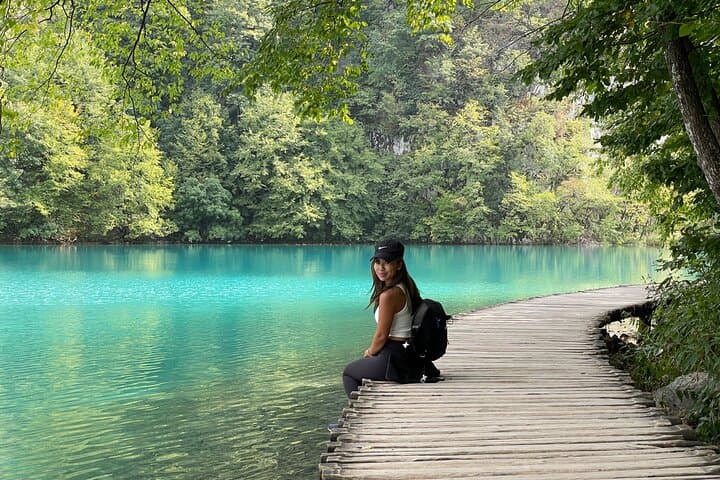
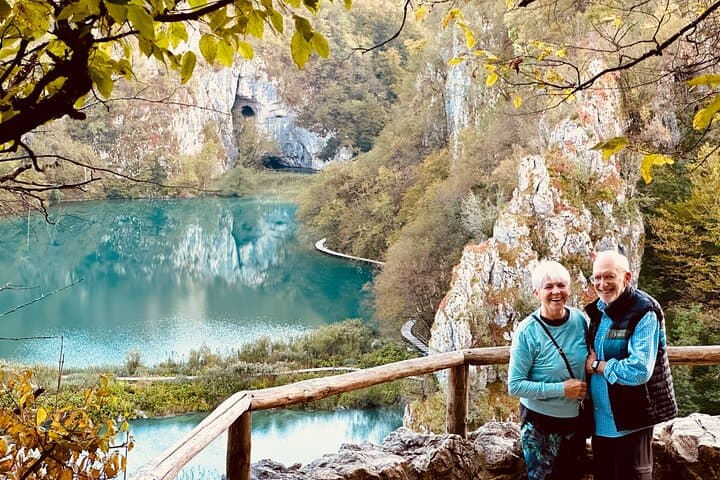
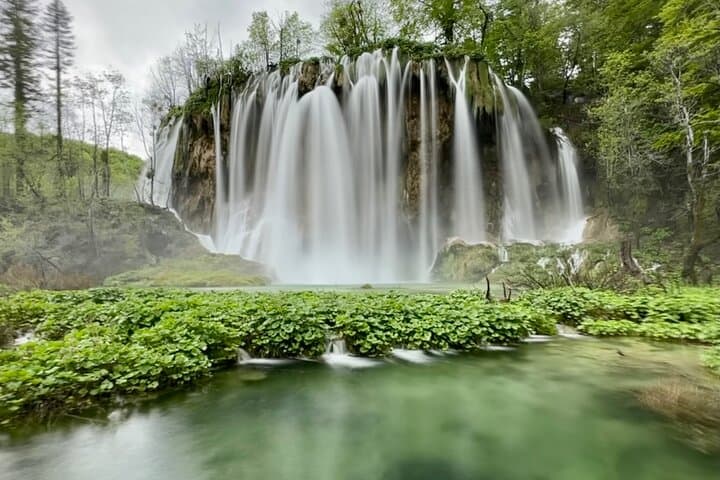
Plitvice Lakes announces itself with the sound of water—cascades that do not rush but insist. Wooden boardwalks thread across turquoise pools and the path winds through damp moss and the humid perfume of ancient forest. Visitors spend roughly three hours here in this itinerary, a compact window that hits the park's high points: the lower lakes, the Great Waterfall, and a panoramic walk where multiple tiers of water step down like a slow staircase.
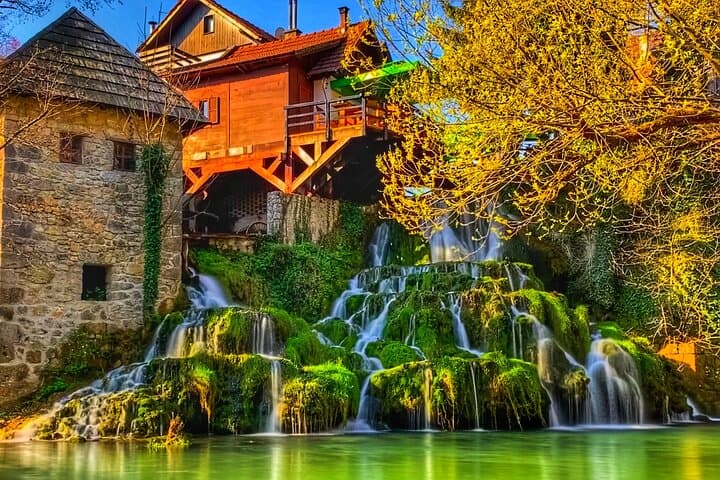
Plitvice is both geology and history. The lakes sit on a young karst system where tufa (travertine) constantly forms, building natural dams that redirect rivers over centuries. The park became Croatia's first UNESCO site in 1979; before that, rural life in nearby villages like Rastoke revolved around wooden mills and the confluence of rivers. The itinerary often includes a 30-minute stop in that small riverside village—Rastoke—where water powered commerce and the houses stare down at the riffles.
This private transfer turns a logistical slog into a curated day: pickup in Zadar, a comfortable drive with bottled water and AC, a guided or self-paced visit to Plitvice, then drop-off in Zagreb. Admissions are not included, and peak season brings crowds and bus schedules, so timing matters. Trails at Plitvice are mostly boardwalk and gravel; expect slippery sections after rain and a few short climbs totaling roughly 100–200 meters of elevation gain across the main viewpoints.
Practical edges: book park entry in advance during summer, wear sturdy waterproof footwear, and plan for at least 7–10 hours total travel time. If you prefer solitude, request an early pickup to arrive with the morning light and fewer groups. Bring layers—weather shifts from coastal breezes to cool forest shade—and protect electronics from spray near the falls.
For photographers and hikers alike, Plitvice rewards attentiveness. The water moves with personality—sometimes a glassy mirror, sometimes a loud, insistent drop—and the route gives a concentrated sample of Croatia's inland wildness in a single day. Back in the van toward Zagreb, the roads feel easier, as if the country has rearranged itself around that afternoon you spent following the water.
moderate.
7–10 hours.
Moderate fitness—able to walk 3–5 km on uneven boardwalks and handle short climbs.
No—admission to Plitvice Lakes is not included. You should purchase tickets online in advance, especially in high season.
The itinerary allocates roughly three hours inside the park, enough to cover main viewpoints and the Great Waterfall on a concise route.
Pickup is available from most hotels and central locations in Zadar; if your accommodation is in a pedestrian zone, pickup is arranged at the nearest accessible point.
Some sections of the park are stroller-friendly, but many boardwalks and steps limit full wheelchair access; inquire ahead for specific accessibility needs.
Bottled water is supplied in the vehicle, but meals are not included. There are cafes near park entrances and in Rastoke for a quick lunch.
Drones are restricted in Plitvice; service animals are allowed in the transfer vehicle but check park rules for pets—typically they are not permitted inside the national park.
Plitvice became Yugoslavia's first national park in 1949 and was inscribed as a UNESCO World Heritage Site in 1979; nearby Rastoke preserves traditional wooden mills and river-powered industries.
The park's tufa dams form through delicate biological and chemical processes—stay on marked paths, avoid feeding wildlife, and carry out any trash to protect these living structures.
Limitless Balkan operates guided outdoor trips and adventures with an emphasis on safety, stewardship, and memorable experiences.
The day begins on a quiet Adriatic boulevard in Zadar, the sea breeze working at the hem of your jacket as the driver eases the air-conditioned van onto the highway. Rolling hills give way to the karst plateaus of inland Croatia and, after an hour or two, the landscape takes on a different voice: limestone ridges, dense beech and fir, and rivers that seem to carve the country from the inside out.
The day begins on a quiet Adriatic boulevard in Zadar, the sea breeze working at the hem of your jacket as the driver eases the air-conditioned van onto the highway. Rolling hills give way to the karst plateaus of inland Croatia and, after an hour or two, the landscape takes on a different voice: limestone ridges, dense beech and fir, and rivers that seem to carve the country from the inside out.
Plitvice Lakes announces itself with the sound of water—cascades that do not rush but insist. Wooden boardwalks thread across turquoise pools and the path winds through damp moss and the humid perfume of ancient forest. Visitors spend roughly three hours here in this itinerary, a compact window that hits the park's high points: the lower lakes, the Great Waterfall, and a panoramic walk where multiple tiers of water step down like a slow staircase.
Plitvice is both geology and history. The lakes sit on a young karst system where tufa (travertine) constantly forms, building natural dams that redirect rivers over centuries. The park became Croatia's first UNESCO site in 1979; before that, rural life in nearby villages like Rastoke revolved around wooden mills and the confluence of rivers. The itinerary often includes a 30-minute stop in that small riverside village—Rastoke—where water powered commerce and the houses stare down at the riffles.
This private transfer turns a logistical slog into a curated day: pickup in Zadar, a comfortable drive with bottled water and AC, a guided or self-paced visit to Plitvice, then drop-off in Zagreb. Admissions are not included, and peak season brings crowds and bus schedules, so timing matters. Trails at Plitvice are mostly boardwalk and gravel; expect slippery sections after rain and a few short climbs totaling roughly 100–200 meters of elevation gain across the main viewpoints.
Practical edges: book park entry in advance during summer, wear sturdy waterproof footwear, and plan for at least 7–10 hours total travel time. If you prefer solitude, request an early pickup to arrive with the morning light and fewer groups. Bring layers—weather shifts from coastal breezes to cool forest shade—and protect electronics from spray near the falls.
For photographers and hikers alike, Plitvice rewards attentiveness. The water moves with personality—sometimes a glassy mirror, sometimes a loud, insistent drop—and the route gives a concentrated sample of Croatia's inland wildness in a single day. Back in the van toward Zagreb, the roads feel easier, as if the country has rearranged itself around that afternoon you spent following the water.