THE ADVENTURE COLLECTIVE® · Independent discovery and booking for outdoor travel

Spend a full day visiting Plitvice Lakes from Zadar with pre-booked Gate 1 tickets and six hours inside the park. Enjoy a guided or self-guided route, included boat and electric train rides, and practical pickup options across central Zadar.
Spend a full day visiting Plitvice Lakes from Zadar with pre-booked Gate 1 tickets and six hours inside the park. Enjoy a guided or self-guided route, included boat and electric train rides, and practical pickup options across central Zadar.
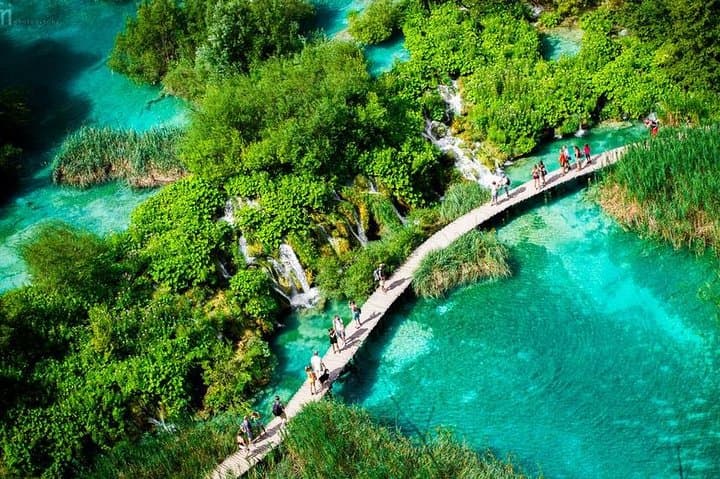
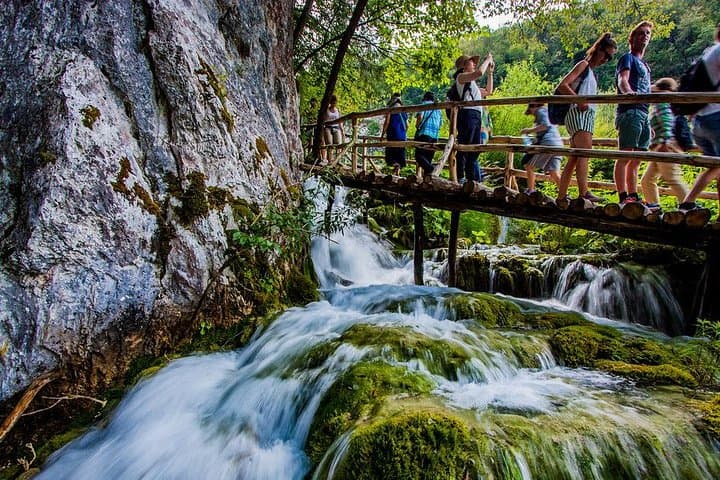
You step off the air-conditioned van and the sound hits first: a layered, restless chorus of water—cascades spilling into turquoise basins, streams threading through limestone like bright veins. The forest breathes around you; spruce and beech reach toward a sky that sometimes opens to reveal the jagged Dinaric Alps. This is Plitvice Lakes, and on a full-day run from Zadar you get six hours to let the park set its own pace.
Verified experiences and guided adventures in the surrounding area.
Operated by Elegance Tours · Plitvička Jezera, Lika-Senj County
You step off the air-conditioned van and the sound hits first: a layered, restless chorus of water—cascades spilling into turquoise basins, streams threading through limestone like bright veins. The forest breathes around you; spruce and beech reach toward a sky that sometimes opens to reveal the jagged Dinaric Alps. This is Plitvice Lakes, and on a full-day run from Zadar you get six hours to let the park set its own pace.
Plitvice is as geological as it is scenic. Carved from karst limestone over millennia, the park’s system of 16 terraced lakes and 90 waterfalls forms where carbonate deposits create natural dams—travertine that grows slowly as moss, algae and the chemistry of the water trap sediments. Designated a UNESCO World Heritage Site in 1979, the area also carries scars of human history: shepherd paths, wartime evacuations, and more recently the balancing act of mass tourism and conservation.
Culturally, the region sits between Adriatic coast rhythms and inland highland life. On the drive from Zadar you pass small villages with stone houses and drying racks of fruit; locals still harvest forest mushrooms and honey. The tour’s included boat across Kozjak Lake and the electric train that threads higher plateaus are practical conveniences that also reveal different faces of the park—mirrored lakes from a low angle, then wide panoramas from an elevated bench.
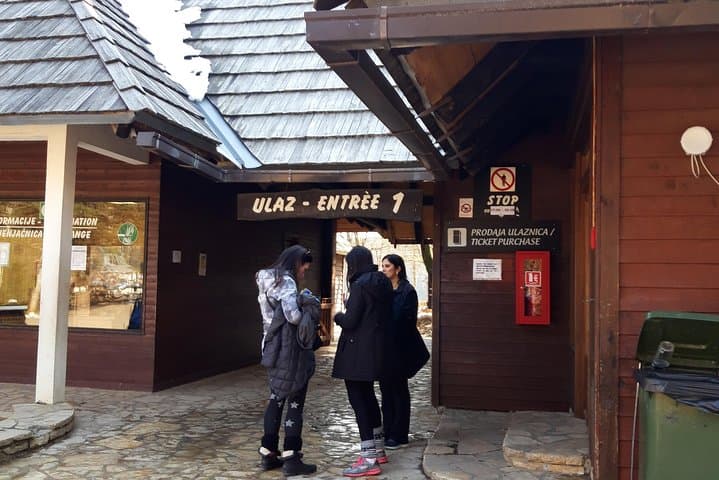
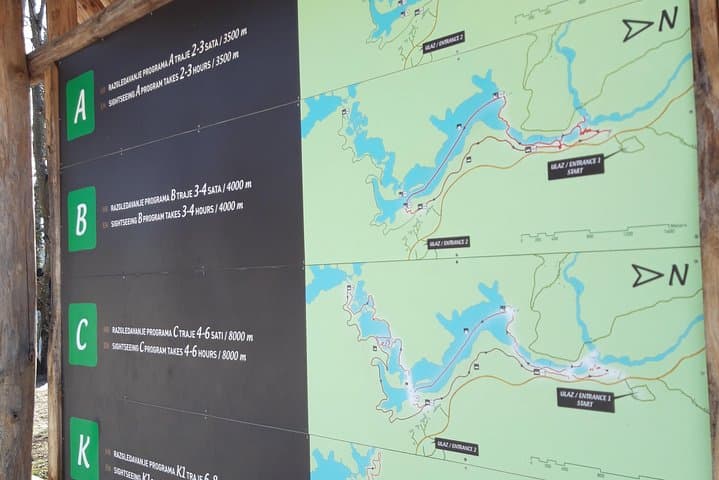
Practical edge: arrive early. The tour’s 10:00 Gate 1 entry and reserved tickets mean you skip the longest queues, but Plitvice fills quickly in summer. Expect roughly 4 hours of active walking on boardwalks and stone steps for the suggested loop; add an hour or two for photography, lunch, or a relaxed detour. Trails range from flat lakeside promenades to steep staircases at the larger falls; comfortable walking shoes are not optional.
Bring cash for entrance fees (prices vary by season), a small daypack, and layered clothing—weather can flip between sun and a cold mist off the falls. Hydrate before you start; kiosks inside the park are limited and busy. If you hire a guide through the tour, use that time to ask about travertine formation, local flora like endemic mosses, and wildlife patterns—keepers who patrol the park will tell you where otter or deer sightings are most likely.
End the day with a slow return to Zadar as the coastline slides back into view. You leave the park with damp shoes, a camera full of reflection shots, and a clearer sense of how geology, history, and careful stewardship have shaped one of Croatia’s most insistently beautiful places.
moderate.
10 hours (full day).
Suitable for travelers who can walk 3–6 miles over varied terrain and manage stairs; moderate endurance required.
No—entrance fees are paid separately in cash at the operator’s office; the company pre-books Gate 1 tickets so you skip lines.
Yes—complimentary pickup/drop-off is included within central Zadar; pickup times depend on location and will be confirmed in advance.
Yes—this tour offers the choice to join a local guide or explore independently with a provided map and suggested route.
Children under 7 enter the park for free, but parents should consider the length of walks and stairs; strollers are impractical on many boardwalk sections.
There are restaurants and kiosks, but they get busy—many travelers bring snacks or use the short supermarket stop included en route.
Tours may be cancelled for severe weather; the cancellation policy allows full refunds if cancelled at least 24 hours before departure.
Plitvice’s lakes formed over thousands of years of travertine deposition; the park was among the first natural sites in Croatia to receive UNESCO protection.
Stay on designated boardwalks and follow park rules—visitor fees directly support conservation and maintenance of fragile travertine barriers.
Elegance Tours operates guided outdoor trips and adventures with an emphasis on safety, stewardship, and memorable experiences.
You step off the air-conditioned van and the sound hits first: a layered, restless chorus of water—cascades spilling into turquoise basins, streams threading through limestone like bright veins. The forest breathes around you; spruce and beech reach toward a sky that sometimes opens to reveal the jagged Dinaric Alps. This is Plitvice Lakes, and on a full-day run from Zadar you get six hours to let the park set its own pace.
You step off the air-conditioned van and the sound hits first: a layered, restless chorus of water—cascades spilling into turquoise basins, streams threading through limestone like bright veins. The forest breathes around you; spruce and beech reach toward a sky that sometimes opens to reveal the jagged Dinaric Alps. This is Plitvice Lakes, and on a full-day run from Zadar you get six hours to let the park set its own pace.
Plitvice is as geological as it is scenic. Carved from karst limestone over millennia, the park’s system of 16 terraced lakes and 90 waterfalls forms where carbonate deposits create natural dams—travertine that grows slowly as moss, algae and the chemistry of the water trap sediments. Designated a UNESCO World Heritage Site in 1979, the area also carries scars of human history: shepherd paths, wartime evacuations, and more recently the balancing act of mass tourism and conservation.
Culturally, the region sits between Adriatic coast rhythms and inland highland life. On the drive from Zadar you pass small villages with stone houses and drying racks of fruit; locals still harvest forest mushrooms and honey. The tour’s included boat across Kozjak Lake and the electric train that threads higher plateaus are practical conveniences that also reveal different faces of the park—mirrored lakes from a low angle, then wide panoramas from an elevated bench.
Practical edge: arrive early. The tour’s 10:00 Gate 1 entry and reserved tickets mean you skip the longest queues, but Plitvice fills quickly in summer. Expect roughly 4 hours of active walking on boardwalks and stone steps for the suggested loop; add an hour or two for photography, lunch, or a relaxed detour. Trails range from flat lakeside promenades to steep staircases at the larger falls; comfortable walking shoes are not optional.
Bring cash for entrance fees (prices vary by season), a small daypack, and layered clothing—weather can flip between sun and a cold mist off the falls. Hydrate before you start; kiosks inside the park are limited and busy. If you hire a guide through the tour, use that time to ask about travertine formation, local flora like endemic mosses, and wildlife patterns—keepers who patrol the park will tell you where otter or deer sightings are most likely.
End the day with a slow return to Zadar as the coastline slides back into view. You leave the park with damp shoes, a camera full of reflection shots, and a clearer sense of how geology, history, and careful stewardship have shaped one of Croatia’s most insistently beautiful places.