THE ADVENTURE COLLECTIVE® · Independent discovery and booking for outdoor travel

Spend four hours with a professional instructor exploring Yosemite Valley and the High Sierra, learning composition, exposure and advanced techniques while photographing waterfalls, domes and alpine lakes. This private lesson suits beginners and advanced shooters and visits both iconic and lesser-known viewpoints.
Spend four hours with a professional instructor exploring Yosemite Valley and the High Sierra, learning composition, exposure and advanced techniques while photographing waterfalls, domes and alpine lakes. This private lesson suits beginners and advanced shooters and visits both iconic and lesser-known viewpoints.
You step out of the vehicle and the valley rearranges itself: granite walls tilt toward the sky, a ribbon of river threads through meadow grass, and distant falls make a steady, sculptural noise. The instructor checks your camera bag, asks about your goals, and points to light moving across Half Dome — an invitation to watch how light sculpts these shapes.
Verified experiences and guided adventures in the surrounding area.
Operated by YExplore Yosemite Adventures · Yosemite Valley, California
You step out of the vehicle and the valley rearranges itself: granite walls tilt toward the sky, a ribbon of river threads through meadow grass, and distant falls make a steady, sculptural noise. The instructor checks your camera bag, asks about your goals, and points to light moving across Half Dome — an invitation to watch how light sculpts these shapes.
This private, four-hour photography lesson in Yosemite moves like a well-planned shoot. It can focus on the valley’s classical motifs — El Capitan, Bridalveil Fall, Cathedral Spires — or migrate into the High Sierra where Tuolumne Meadows, Tenaya Lake and Lembert Dome introduce wide vistas and alpine light. The experience channels a lineage of photographers who taught the nation to look at granite: Ansel Adams’s high-contrast images, Carlton Watkins’s 19th-century surveys and Edward Weston’s close studies of rock and form.
Geology here is honest and blunt: glaciers polished the valley into a U-shaped amphitheater of exfoliated granite, creating the vertical faces and rounded domes photographers favor. Cultural history sits in parallel — from the Ahwahneechee people who lived along meadows and rivers to the early preservationists who helped create Yosemite National Park. The park asks for respectful presence; photographers are part of that culture, balancing the urge to capture with Leave No Trace practice.
Practical guidance matters: tours require a park entrance and, in some seasons, a vehicle reservation. The operator stresses confirmation 48 hours before the shoot. Expect short walks on maintained paths, but bring footwear that handles slick granite and early-morning mud. Composition lessons cover exposure for waterfalls, bracketing for high-dynamic-range scenes, and focal length choices for compressing cliffs or embracing wide meadow foregrounds.
Timing makes images. Golden hour softens face-like rock; blue hour pulls color out of shadow; midday brings saturated waterfalls and quick-moving light on clouds. In summer, high-country lakes offer reflective stillness; spring amplifies waterfall volume. Instructors tailor the session to your kit and level — beginner basics like aperture priority and histogram reading, or advanced techniques like focus stacking and long-exposure filtration.
Logistics are straightforward but not trivial: carry extra batteries and cards, a sturdy tripod, weather layers, water, and sunscreen. If wildlife appears — keep distance and let the lens do the approach. For aspiring shooters, this is less about checklist photography and more about learning a visual language in a place that rewards patience and curiosity.
easy.
4 hours.
Light walking on mostly flat or short uphill sections; suitable for most fitness levels
You’ll meet at the pre-arranged Yosemite meeting point provided after booking; guests should supply hotel and contact details so the operator can email directions.
Admission is included when the operator’s vehicle reservation permit is required; otherwise, you must pay park entrance or have an annual park pass.
The tour provider does not include camera rentals—contact local rental shops in Mariposa or Yosemite area before your visit.
Suitable for all levels; instructors will cover camera basics for beginners and advanced workflows like bracketing or stacking for experienced shooters.
Tours are weather-dependent; if canceled due to conditions you’ll be offered a full refund or alternative date.
Tripods are allowed; drones are prohibited in Yosemite National Park and will result in fines and immediate cessation of the flight.
Yosemite attracted early photographers in the 19th century whose images helped fuel the American conservation movement and the creation of the National Park system.
Follow Leave No Trace and park rules: stay on trails, pack out waste, and never bait or approach wildlife; vehicle reservations may be required seasonally to limit congestion.
YExplore Yosemite Adventures operates guided outdoor trips and adventures with an emphasis on safety, stewardship, and memorable experiences.
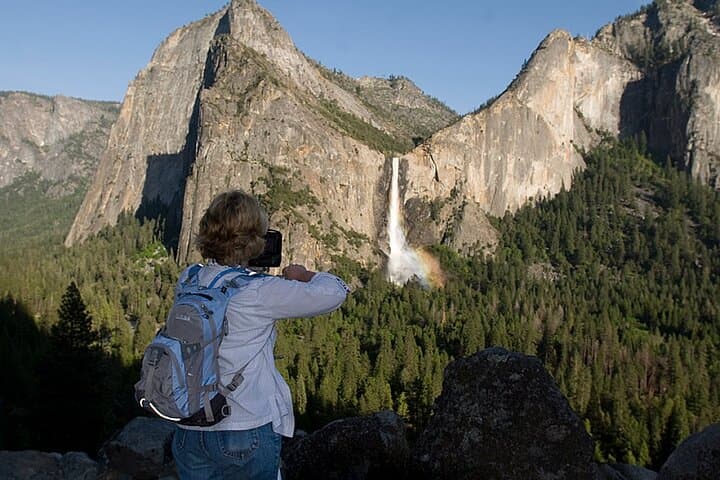
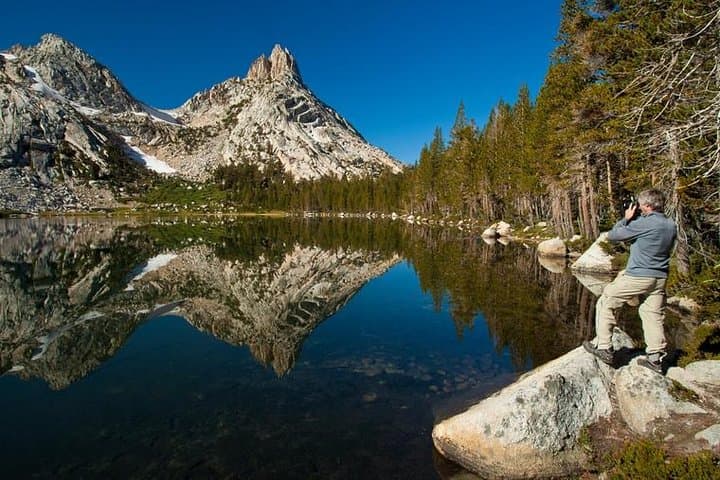
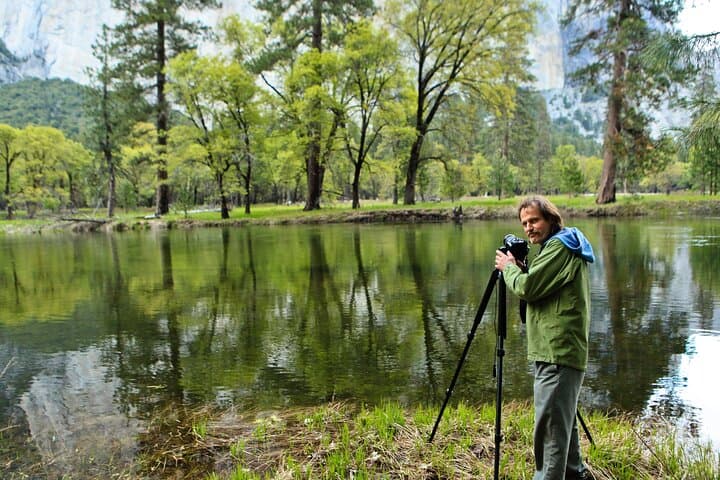
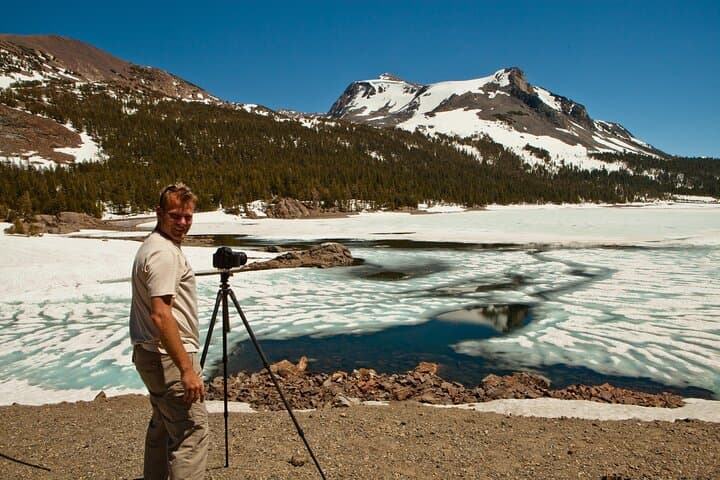
You step out of the vehicle and the valley rearranges itself: granite walls tilt toward the sky, a ribbon of river threads through meadow grass, and distant falls make a steady, sculptural noise. The instructor checks your camera bag, asks about your goals, and points to light moving across Half Dome — an invitation to watch how light sculpts these shapes.
You step out of the vehicle and the valley rearranges itself: granite walls tilt toward the sky, a ribbon of river threads through meadow grass, and distant falls make a steady, sculptural noise. The instructor checks your camera bag, asks about your goals, and points to light moving across Half Dome — an invitation to watch how light sculpts these shapes.
This private, four-hour photography lesson in Yosemite moves like a well-planned shoot. It can focus on the valley’s classical motifs — El Capitan, Bridalveil Fall, Cathedral Spires — or migrate into the High Sierra where Tuolumne Meadows, Tenaya Lake and Lembert Dome introduce wide vistas and alpine light. The experience channels a lineage of photographers who taught the nation to look at granite: Ansel Adams’s high-contrast images, Carlton Watkins’s 19th-century surveys and Edward Weston’s close studies of rock and form.
Geology here is honest and blunt: glaciers polished the valley into a U-shaped amphitheater of exfoliated granite, creating the vertical faces and rounded domes photographers favor. Cultural history sits in parallel — from the Ahwahneechee people who lived along meadows and rivers to the early preservationists who helped create Yosemite National Park. The park asks for respectful presence; photographers are part of that culture, balancing the urge to capture with Leave No Trace practice.
Practical guidance matters: tours require a park entrance and, in some seasons, a vehicle reservation. The operator stresses confirmation 48 hours before the shoot. Expect short walks on maintained paths, but bring footwear that handles slick granite and early-morning mud. Composition lessons cover exposure for waterfalls, bracketing for high-dynamic-range scenes, and focal length choices for compressing cliffs or embracing wide meadow foregrounds.
Timing makes images. Golden hour softens face-like rock; blue hour pulls color out of shadow; midday brings saturated waterfalls and quick-moving light on clouds. In summer, high-country lakes offer reflective stillness; spring amplifies waterfall volume. Instructors tailor the session to your kit and level — beginner basics like aperture priority and histogram reading, or advanced techniques like focus stacking and long-exposure filtration.
Logistics are straightforward but not trivial: carry extra batteries and cards, a sturdy tripod, weather layers, water, and sunscreen. If wildlife appears — keep distance and let the lens do the approach. For aspiring shooters, this is less about checklist photography and more about learning a visual language in a place that rewards patience and curiosity.