THE ADVENTURE COLLECTIVE® · Independent discovery and booking for outdoor travel

Start before dawn and spend a full day scanning Yellowstone’s Upper Loop for grizzly, wolf, bison and elk. This vehicle-based wildlife tour from West Yellowstone pairs expert guides and spotting scopes with included lunch and a practical approach to animal viewing.
Start before dawn and spend a full day scanning Yellowstone’s Upper Loop for grizzly, wolf, bison and elk. This vehicle-based wildlife tour from West Yellowstone pairs expert guides and spotting scopes with included lunch and a practical approach to animal viewing.
It begins before most of the park wakes: headlights carve through a cool Montana dawn and the van eases out of the IMAX Visitor Center parking lot with binoculars and scopes already in hand. Steam rises from roadside hot springs like something alive, and the guide — patient, practiced, ready — eyes the valleys and ridgelines for movement. Over eight focused hours, the Upper Loop of Yellowstone lays out a landscape that alternates between simmering geothermal theater and wide, animal-rich grasslands where bison graze like slow weather.
Verified experiences and guided adventures in the surrounding area.
Operated by Yellowstone’s Casanova Guided Tours · West Yellowstone, Montana
It begins before most of the park wakes: headlights carve through a cool Montana dawn and the van eases out of the IMAX Visitor Center parking lot with binoculars and scopes already in hand. Steam rises from roadside hot springs like something alive, and the guide — patient, practiced, ready — eyes the valleys and ridgelines for movement. Over eight focused hours, the Upper Loop of Yellowstone lays out a landscape that alternates between simmering geothermal theater and wide, animal-rich grasslands where bison graze like slow weather.
Yellowstone is the world's first national park, a volcanic cauldron shaped by the Yellowstone Caldera and layered with travertine terraces and fumaroles worn into the high plateau for millennia. The human history here stretches from Indigenous use of the region for hunting and trade to the 19th-century expeditions that opened it to the public, and the visitor today moves through both geological deep time and a history of conservation that continues to evolve.
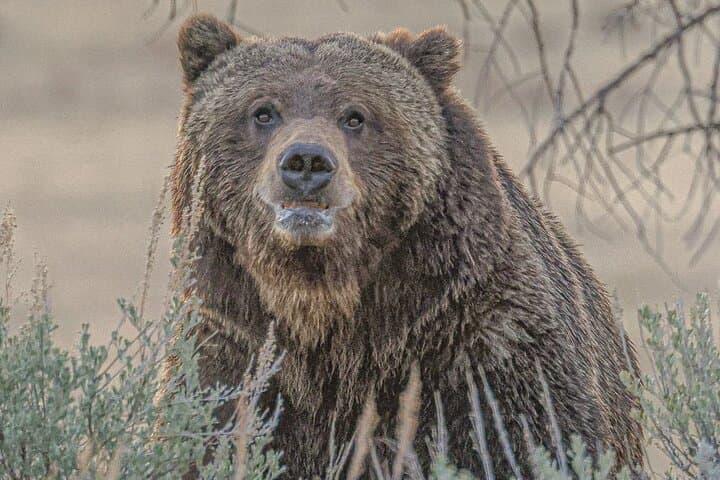
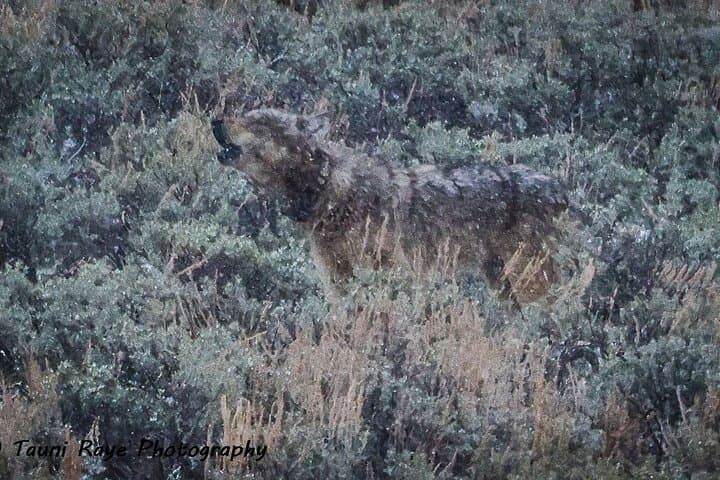
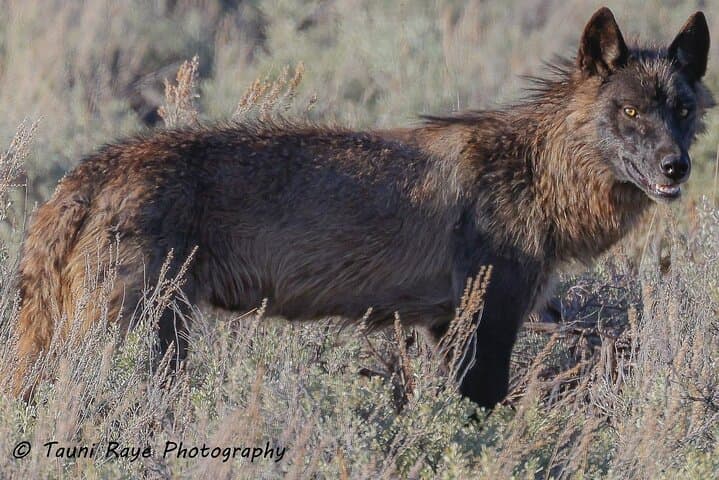
The Upper Loop tour follows the park’s northern and northeastern reaches — areas often called Yellowstone’s Serengeti — where Hayden and Lamar Valleys act as natural theaters for grizzly and black bears, wolves, elk, pronghorn, bison and bald eagles. Guides park at pullouts, set up spotting scopes, and talk quietly about animal behavior and habitat. The scenery shifts suddenly: thermal basins explode in color and sound; river bends catch the sun; distant peaks keep watch.
Practical realities matter: the day covers roughly 150 miles of paved park road and multiple short stops; elevation sits around 6,600–7,500 feet, so lightheadedness is possible for those unused to altitude. The tour is vehicle-based, so it's accessible to most fitness levels, though there are short walks on boardwalks at thermal sites and uneven surfaces at scenic overlooks. Lunch, snacks, hot drinks and scopes are included, and single travelers can join mixed groups.
Expect patience to pay off. Wildlife sightings can't be guaranteed, but the guide’s time in the landscape improves the odds; mornings and late afternoons are prime. Keep cameras ready, but also keep distance: Yellowstone rules and common sense mean observing from the vehicle or approved pullouts and never approaching animals.
Useful planning notes: layer for sudden weather shifts, bring your own binoculars or telephoto lens if you have one, and hydrate — altitude thins the air and accelerates fatigue. Allow extra time before or after the tour to walk boardwalks safely and visit small museums in West Yellowstone. This tour is less about ticking boxes and more about practice — learning to read the land, to wait, and to watch as the park reveals its wild moments.
easy.
8 hours.
Suitable for most fitness levels; expect short, easy walks on boardwalks and uneven terrain at viewpoints; basic mobility required for vehicle entry/exit.
The experience is approximately 8 hours, starting and finishing at the IMAX/Visitor Center parking lot in West Yellowstone with optional hotel pickup in West Yellowstone and Island Park.
No — wildlife is wild and sightings depend on animal movements; guides maximize chances through experience and scouting but cannot promise specific animals.
Yes; the tour is rated easy and suitable for most ages. There are short, easy walks but most viewing is done from the vehicle or short boardwalks—notify the operator of accessibility needs when booking.
Wear layered clothing, sturdy shoes for short walks, and bring water, sunscreen, and a hat. Binoculars or a camera with a telephoto lens are recommended.
Infants and small children can use strollers; only service animals are permitted on the tour—confirm details with the operator when booking.
Full refunds are available if you cancel at least 24 hours before departure; tours may cancel for bad weather or low enrollment and refunds follow the supplier’s policy.
Yellowstone was established as the first national park in 1872; the park’s roads and protection model shaped U.S. conservation policy that followed.
Maintain distance, follow park regulations, and minimize waste—respecting animal space prevents habituation and keeps both visitors and wildlife safe.
Yellowstone’s Casanova Guided Tours operates guided outdoor trips and adventures with an emphasis on safety, stewardship, and memorable experiences.
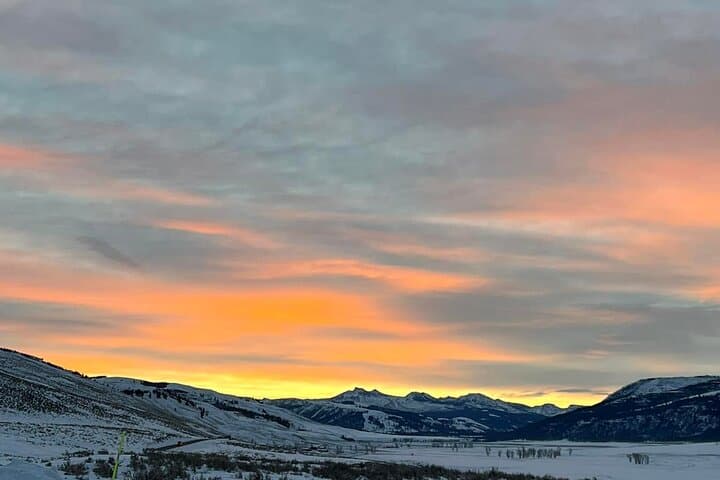
It begins before most of the park wakes: headlights carve through a cool Montana dawn and the van eases out of the IMAX Visitor Center parking lot with binoculars and scopes already in hand. Steam rises from roadside hot springs like something alive, and the guide — patient, practiced, ready — eyes the valleys and ridgelines for movement. Over eight focused hours, the Upper Loop of Yellowstone lays out a landscape that alternates between simmering geothermal theater and wide, animal-rich grasslands where bison graze like slow weather.
It begins before most of the park wakes: headlights carve through a cool Montana dawn and the van eases out of the IMAX Visitor Center parking lot with binoculars and scopes already in hand. Steam rises from roadside hot springs like something alive, and the guide — patient, practiced, ready — eyes the valleys and ridgelines for movement. Over eight focused hours, the Upper Loop of Yellowstone lays out a landscape that alternates between simmering geothermal theater and wide, animal-rich grasslands where bison graze like slow weather.
Yellowstone is the world's first national park, a volcanic cauldron shaped by the Yellowstone Caldera and layered with travertine terraces and fumaroles worn into the high plateau for millennia. The human history here stretches from Indigenous use of the region for hunting and trade to the 19th-century expeditions that opened it to the public, and the visitor today moves through both geological deep time and a history of conservation that continues to evolve.
The Upper Loop tour follows the park’s northern and northeastern reaches — areas often called Yellowstone’s Serengeti — where Hayden and Lamar Valleys act as natural theaters for grizzly and black bears, wolves, elk, pronghorn, bison and bald eagles. Guides park at pullouts, set up spotting scopes, and talk quietly about animal behavior and habitat. The scenery shifts suddenly: thermal basins explode in color and sound; river bends catch the sun; distant peaks keep watch.
Practical realities matter: the day covers roughly 150 miles of paved park road and multiple short stops; elevation sits around 6,600–7,500 feet, so lightheadedness is possible for those unused to altitude. The tour is vehicle-based, so it's accessible to most fitness levels, though there are short walks on boardwalks at thermal sites and uneven surfaces at scenic overlooks. Lunch, snacks, hot drinks and scopes are included, and single travelers can join mixed groups.
Expect patience to pay off. Wildlife sightings can't be guaranteed, but the guide’s time in the landscape improves the odds; mornings and late afternoons are prime. Keep cameras ready, but also keep distance: Yellowstone rules and common sense mean observing from the vehicle or approved pullouts and never approaching animals.
Useful planning notes: layer for sudden weather shifts, bring your own binoculars or telephoto lens if you have one, and hydrate — altitude thins the air and accelerates fatigue. Allow extra time before or after the tour to walk boardwalks safely and visit small museums in West Yellowstone. This tour is less about ticking boxes and more about practice — learning to read the land, to wait, and to watch as the park reveals its wild moments.