THE ADVENTURE COLLECTIVE® · Independent discovery and booking for outdoor travel

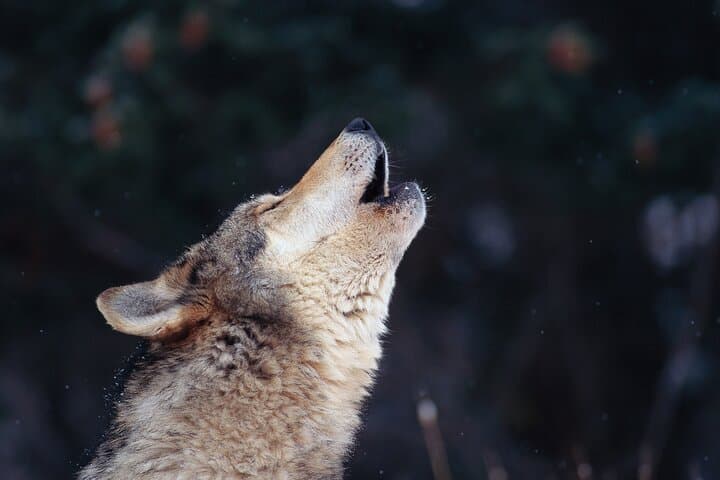
Two nights under the pines in central Sweden, learning to track wolves and listening for their howl. Expect low-light watches, hammock camping, and guided lessons in wolf behavior and conservation.
Two nights under the pines in central Sweden, learning to track wolves and listening for their howl. Expect low-light watches, hammock camping, and guided lessons in wolf behavior and conservation.
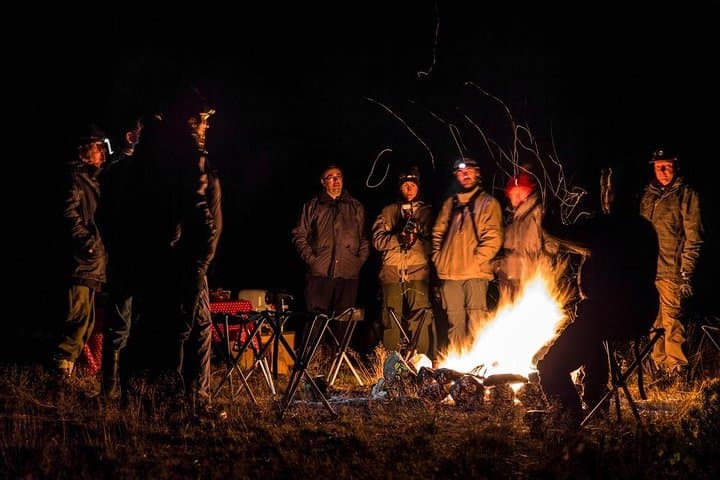
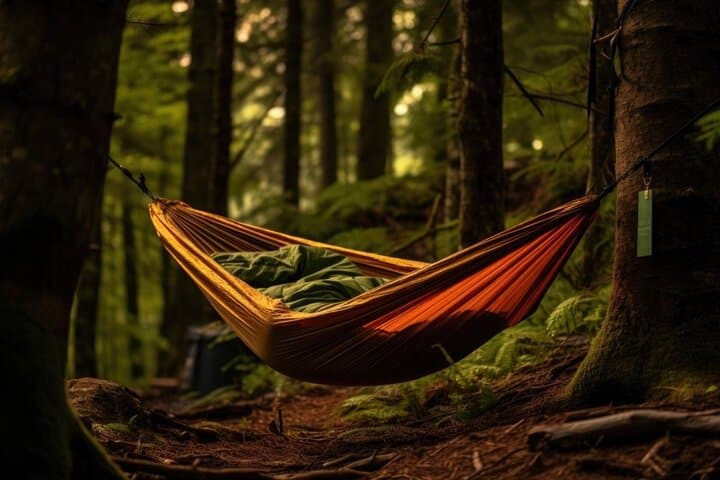
A late-afternoon train rolls into Köping and the world narrows to a handful of strangers, backpacks, and a guide checking compasses. By the time the van slips off the tarmac and onto forest tracks, birch and pine close in, and the scent of moss and peat replaces the city air. Participants hike until they find a sheltered hollow; hammocks are strung between trees and a small, communal fire is coaxed to life. As dusk folds into night, guests sit in low light listening for the long, rolling notes that wolves use to stitch territory together.
Verified experiences and guided adventures in the surrounding area.
Operated by Wild Sweden · Köping, Västmanland
A late-afternoon train rolls into Köping and the world narrows to a handful of strangers, backpacks, and a guide checking compasses. By the time the van slips off the tarmac and onto forest tracks, birch and pine close in, and the scent of moss and peat replaces the city air. Participants hike until they find a sheltered hollow; hammocks are strung between trees and a small, communal fire is coaxed to life. As dusk folds into night, guests sit in low light listening for the long, rolling notes that wolves use to stitch territory together.
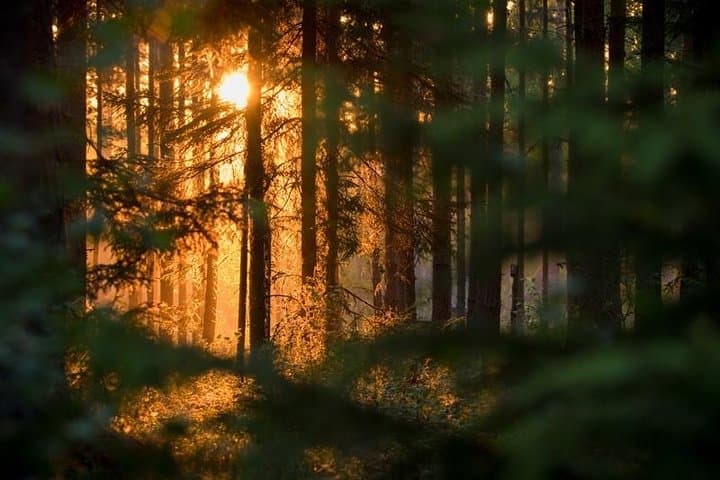
The land here is classic central Sweden: boreal forest sitting on ancient Precambrian bedrock, with scattered wetlands and low rocky knolls carved by the last ice age. Wolves returned to the Swedish countryside in the 20th century and are now the subject of national conservation debates—this trip combines fieldcraft with conversations about territory, prey dynamics, and human-wildlife policy.
Expect rough, uneven terrain rather than long, groomed trails. Days include short hikes (generally 3–8 km) while carrying part of your overnight kit, basic navigation, and hours of quiet watching at strategic listening points. Guides teach how to read tracks, interpret scat, and distinguish wolf sign from other carnivores.
Practical guidance: pack layered insulation, a waterproof outer layer, and footwear that handles mud and rocks. Hydrate before long listening sessions and use a headlamp sparingly to preserve night vision. Temperatures can swing widely—plan for chilly nights even in summer. Finally, temper expectations: hearing wolves howl is common; seeing them is rare. The experience is more about presence, tracking skills, and immersion in a living, wild landscape.
moderate.
2 days (approx. 48 hours).
Moderate fitness: able to carry a 15+ kg pack for short distances and sit still for long listening periods.
No—visual sightings are uncommon; most guests hear howls or find tracks and signs, which is the main focus of the experience.
Moderate—expect several short hikes each day with intermittent standing or sitting for long listening sessions; you’ll carry part of your kit (guides provide larger backpacking packs).
Organizers supply hammock camping gear, full camping equipment, headlamps, rain ponchos, and a Fjällräven Kajka backpack; you should still be able to carry at least 15 kg of personal gear.
Not recommended for wheelchair users or those with significant walking disabilities due to uneven terrain and periods of stillness in remote locations.
Wolves were extirpated and later recolonized parts of Sweden; current wolf territories reflect centuries of land use changes and modern conservation policy.
Tours emphasize low-impact practices—stay on durable surfaces, pack out waste, and follow guide instructions to minimize disturbance to wolves and their prey.
Wild Sweden operates guided outdoor trips and adventures with an emphasis on safety, stewardship, and memorable experiences.
A late-afternoon train rolls into Köping and the world narrows to a handful of strangers, backpacks, and a guide checking compasses. By the time the van slips off the tarmac and onto forest tracks, birch and pine close in, and the scent of moss and peat replaces the city air. Participants hike until they find a sheltered hollow; hammocks are strung between trees and a small, communal fire is coaxed to life. As dusk folds into night, guests sit in low light listening for the long, rolling notes that wolves use to stitch territory together.
A late-afternoon train rolls into Köping and the world narrows to a handful of strangers, backpacks, and a guide checking compasses. By the time the van slips off the tarmac and onto forest tracks, birch and pine close in, and the scent of moss and peat replaces the city air. Participants hike until they find a sheltered hollow; hammocks are strung between trees and a small, communal fire is coaxed to life. As dusk folds into night, guests sit in low light listening for the long, rolling notes that wolves use to stitch territory together.
The land here is classic central Sweden: boreal forest sitting on ancient Precambrian bedrock, with scattered wetlands and low rocky knolls carved by the last ice age. Wolves returned to the Swedish countryside in the 20th century and are now the subject of national conservation debates—this trip combines fieldcraft with conversations about territory, prey dynamics, and human-wildlife policy.
Expect rough, uneven terrain rather than long, groomed trails. Days include short hikes (generally 3–8 km) while carrying part of your overnight kit, basic navigation, and hours of quiet watching at strategic listening points. Guides teach how to read tracks, interpret scat, and distinguish wolf sign from other carnivores.
Practical guidance: pack layered insulation, a waterproof outer layer, and footwear that handles mud and rocks. Hydrate before long listening sessions and use a headlamp sparingly to preserve night vision. Temperatures can swing widely—plan for chilly nights even in summer. Finally, temper expectations: hearing wolves howl is common; seeing them is rare. The experience is more about presence, tracking skills, and immersion in a living, wild landscape.