THE ADVENTURE COLLECTIVE® · Independent discovery and booking for outdoor travel

Sail Biscayne Bay under canvas and paddle—no engines, just wind, wildlife, and shallow-water exploration. This private half-day eco-cruise reaches mangrove hideouts and snorkeling flats, pairing quiet adventure with a conservation-minded guide.
Sail Biscayne Bay under canvas and paddle—no engines, just wind, wildlife, and shallow-water exploration. This private half-day eco-cruise reaches mangrove hideouts and snorkeling flats, pairing quiet adventure with a conservation-minded guide.
The hull cuts the glassy surface with a hush; the only sound is the whisper of canvas and the occasional chatter of a distant osprey. On this private, wind-and-paddle-only sail through Biscayne Bay, the city skyline slips behind you and the bay opens like a complex, living map—mangrove fingers, shallow flats, and hidden channels where sunlight dices across coral and sand.
Verified experiences and guided adventures in the surrounding area.
Operated by Sail Ahead Miami · Key Biscayne, Florida
The hull cuts the glassy surface with a hush; the only sound is the whisper of canvas and the occasional chatter of a distant osprey. On this private, wind-and-paddle-only sail through Biscayne Bay, the city skyline slips behind you and the bay opens like a complex, living map—mangrove fingers, shallow flats, and hidden channels where sunlight dices across coral and sand.
This corner of South Florida is young in geologic terms: a shallow carbonate shelf sculpted over millennia by sea-level shifts and reef growth. Indigenous Tequesta people navigated these same waters long before Spanish charts, fishing and trading between barrier islands. Today the bay is an urban estuary where migratory birds, manatees, and streaked fish find refuge amid mangrove roots that act like lung and nursery for the ecosystem.
Your private sail is designed to get intimate with those edges. The boats are purpose-built to push into shallows that motorboats avoid—so you can drift close to mangrove tangles and a “secret hideout” for snorkeling. Guides on these trips read the bay like a pilot reads a chart: tidal windows, wind shifts, and the best current for dolphin sightings. They’ll point out shorebirds—storks, ibises, and pelicans—while explaining how mangroves stabilize the shoreline and why the bay’s seagrass beds matter to juvenile fish.
There’s a sustainability ethic at the heart of this outing: no engines, dry bags for gear, reef-safe sunscreen encouraged, and a low-footprint approach to anchorages. That ethic also shapes the on-board hospitality—healthy snacks, water, and the option to BYOB. Expect roughly 3.5 hours on the water, a mix of sailing, quiet drifting for wildlife watching, and a snorkeling stop if conditions allow.
Practical note: timing matters. Morning sails favor calmer water and clearer snorkeling visibility; late afternoons amplify sunset light and dolphin activity. Wear reef-friendly sunscreen, non-marking shoes for stability, and quick-dry layers. Bring a water bottle and a small dry bag for phone and keys. If you want to swim, bring a swimsuit and a towel; snorkel gear is provided, but specialty masks or fins are fine to bring.
For travelers based in Miami, this trip is an efficient escape—urban sights one moment, a salt-sweet quiet the next. It’s approachable for all fitness levels but offers rewarding encounters for anyone who cares to learn how a coastal ecosystem functions. The bay dares you to slow down; the sail nudges you to listen.
easy.
3–4 hours.
Suitable for most fitness levels—requires light balance for boarding and some standing during sailing and brief swimming/snorkeling.
The outing is approximately 3 to 3.5 hours, with time spent sailing, wildlife watching, and a snorkeling stop if conditions allow.
Yes—snorkeling equipment is provided, though you may bring personal masks or fins for fit and comfort.
Yes—this private tour is family-friendly; infants must sit on an adult’s lap and life jackets are supplied.
Meet at David T. Kennedy Park on Key Biscayne near the playground and volleyball courts; restrooms are available in the nearby building.
You can BYOB and bring snacks; the operator supplies a cooler with healthy snacks, fruit, and water.
Trips are canceled if weather conditions are unsafe—full refunds are available if you cancel at least 24 hours in advance according to the policy.
Biscayne Bay was once traversed by the Tequesta people and later charted by Spanish sailors; its islands and keys formed as sea levels stabilized over the last several thousand years.
The operator emphasizes no-engine sailing and reef-friendly practices to reduce noise, fuel pollution, and physical damage to shallow habitats.
Sail Ahead Miami operates guided outdoor trips and adventures with an emphasis on safety, stewardship, and memorable experiences.
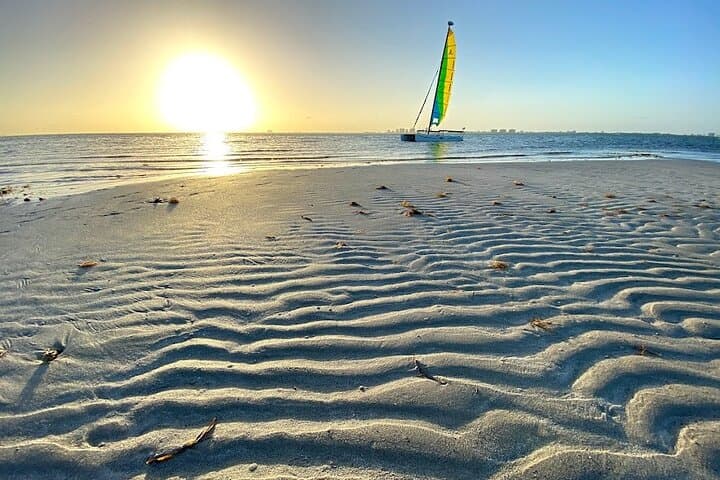
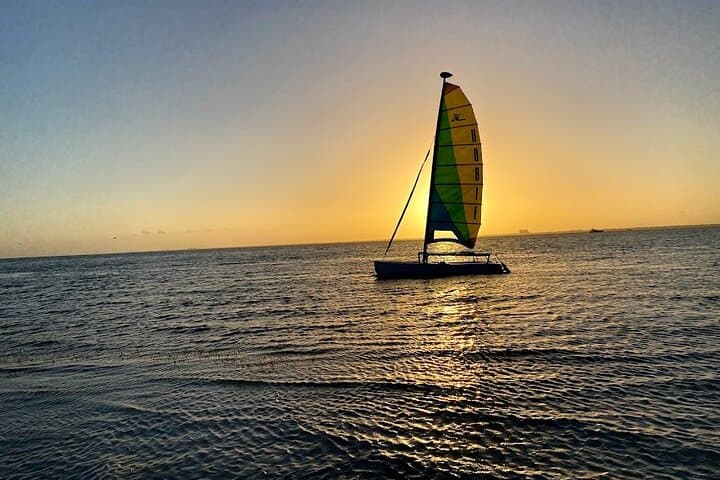
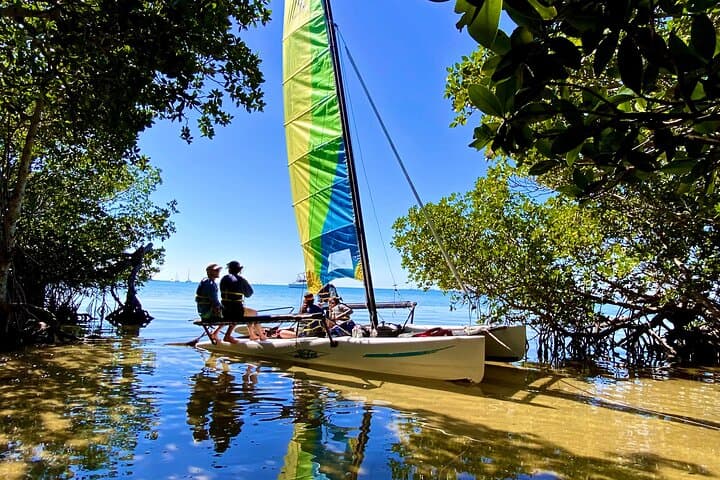
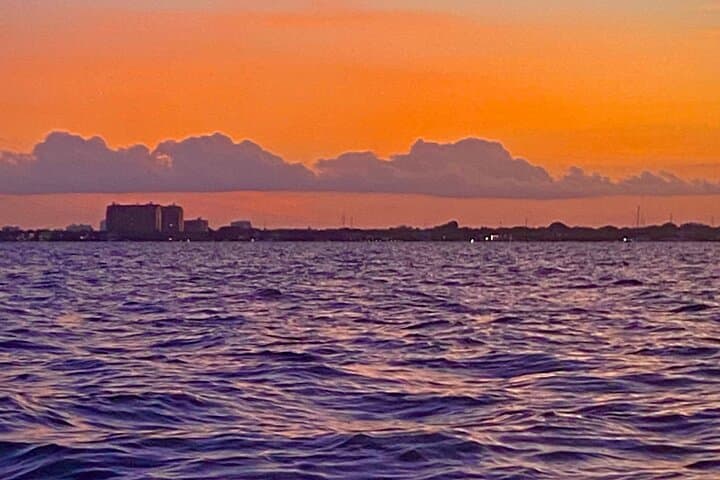
The hull cuts the glassy surface with a hush; the only sound is the whisper of canvas and the occasional chatter of a distant osprey. On this private, wind-and-paddle-only sail through Biscayne Bay, the city skyline slips behind you and the bay opens like a complex, living map—mangrove fingers, shallow flats, and hidden channels where sunlight dices across coral and sand.
The hull cuts the glassy surface with a hush; the only sound is the whisper of canvas and the occasional chatter of a distant osprey. On this private, wind-and-paddle-only sail through Biscayne Bay, the city skyline slips behind you and the bay opens like a complex, living map—mangrove fingers, shallow flats, and hidden channels where sunlight dices across coral and sand.
This corner of South Florida is young in geologic terms: a shallow carbonate shelf sculpted over millennia by sea-level shifts and reef growth. Indigenous Tequesta people navigated these same waters long before Spanish charts, fishing and trading between barrier islands. Today the bay is an urban estuary where migratory birds, manatees, and streaked fish find refuge amid mangrove roots that act like lung and nursery for the ecosystem.
Your private sail is designed to get intimate with those edges. The boats are purpose-built to push into shallows that motorboats avoid—so you can drift close to mangrove tangles and a “secret hideout” for snorkeling. Guides on these trips read the bay like a pilot reads a chart: tidal windows, wind shifts, and the best current for dolphin sightings. They’ll point out shorebirds—storks, ibises, and pelicans—while explaining how mangroves stabilize the shoreline and why the bay’s seagrass beds matter to juvenile fish.
There’s a sustainability ethic at the heart of this outing: no engines, dry bags for gear, reef-safe sunscreen encouraged, and a low-footprint approach to anchorages. That ethic also shapes the on-board hospitality—healthy snacks, water, and the option to BYOB. Expect roughly 3.5 hours on the water, a mix of sailing, quiet drifting for wildlife watching, and a snorkeling stop if conditions allow.
Practical note: timing matters. Morning sails favor calmer water and clearer snorkeling visibility; late afternoons amplify sunset light and dolphin activity. Wear reef-friendly sunscreen, non-marking shoes for stability, and quick-dry layers. Bring a water bottle and a small dry bag for phone and keys. If you want to swim, bring a swimsuit and a towel; snorkel gear is provided, but specialty masks or fins are fine to bring.
For travelers based in Miami, this trip is an efficient escape—urban sights one moment, a salt-sweet quiet the next. It’s approachable for all fitness levels but offers rewarding encounters for anyone who cares to learn how a coastal ecosystem functions. The bay dares you to slow down; the sail nudges you to listen.