THE ADVENTURE COLLECTIVE® · Independent discovery and booking for outdoor travel

A full-day run on the Trishuli River delivers bouncy Class II–III rapids, dramatic valley scenery, and a social, guide-led float from Malekhu to Mugling. It’s a convenient 3–4 hour drive from Kathmandu and a straightforward introduction to Himalayan whitewater.
A full-day run on the Trishuli River delivers bouncy Class II–III rapids, dramatic valley scenery, and a social, guide-led float from Malekhu to Mugling. It’s a convenient 3–4 hour drive from Kathmandu and a straightforward introduction to Himalayan whitewater.
You step out of the bus where the road drops close to the river and the sound of water grows teeth—sharp, alive, unrelenting. Morning mist lifts from the Trishuli’s surface and reveals steep banks threaded with fig and sal trees. Guides lay out helmets and life jackets on a sun-warmed rock; the current calls, not in threat but in invitation. By the time the rafts shove off near Malekhu, the valley opens and the river pushes you into a rhythm of chop and laughter.
Verified experiences and guided adventures in the surrounding area.
Operated by Vyas Treks & Expedition · Malekhu / Mugling (put-in to take-out), Bagmati Province
You step out of the bus where the road drops close to the river and the sound of water grows teeth—sharp, alive, unrelenting. Morning mist lifts from the Trishuli’s surface and reveals steep banks threaded with fig and sal trees. Guides lay out helmets and life jackets on a sun-warmed rock; the current calls, not in threat but in invitation. By the time the rafts shove off near Malekhu, the valley opens and the river pushes you into a rhythm of chop and laughter.
Trishuli has been a corridor for people and goods for centuries. Its name evokes Shiva’s trident, and local settlements grew where traders and pilgrims needed a crossing. Geologically, the river has cut through young Himalayan foothills—rock shelves and gravel bars that reroute the flow seasonally and create the big, bouncy waves rafters chase. Culturally, the banks host small towns known for fresh river fish and roadside tea stalls where drivers and guides trade news.
The experience is straightforward and social: a 3–4 hour drive from Kathmandu to the Malekhu put-in, then roughly four hours of rafting downstream to Mugling. Expect sustained Class II–III rapids—enough to get airborne off the waves but not so technical that you need prior river experience. Guides steer, call commands, and keep safety close; still, the river asks for attention. Along the route, forested bluffs and occasional limestone shelves provide contrast to the bright, striking water pushing you downstream. Birds—kingfishers with electric flashes and the odd jungle crow—dart at the river’s edge, and if you pause, small fishing hamlets reveal how people still read the river for food and livelihood.
Practically: come with a baseline of fitness (some core strength and stamina for repeated paddle bursts), wear quick-dry clothing, and be ready for a full day—early pickup in Kathmandu, the drive, the rapids, lunch on shore, and the return. The river changes with the seasons; monsoon swells make the ride livelier and wetter, while winter and spring lower flows and expose more rocky shoots.
Local operators include ISO/CE-certified equipment and English-speaking licensed guides; they provide transportation, helmets, paddles, and splash jackets. For photographers, the best shots are from the put-in bluff, the raft at a mid-river drop, and the lunch stop where villagers and rafters mingle. Leave no trace: the Trishuli valley is a working landscape and its long-term health depends on respectful use.
This day trip is easy to add to a Kathmandu itinerary but delivers a compact dose of Himalayan river running—the kind that asks only for curiosity, a steady paddle, and the willingness to get wet.
moderate.
8 hours.
Moderate fitness—able to paddle in bursts, climb in and out of rafts, and handle several hours of activity.
Expect roughly four hours of rafting from the Malekhu put-in to Mugling, depending on water level and stops.
This run is guide-led and suitable for beginners with moderate fitness; rapids are mostly Class II–III.
Yes—you’ll get splashed frequently and may take an occasional dunk; guides provide splash jackets and helmets.
Most operators include a riverside lunch after the run; always confirm dietary needs when booking.
Age policies vary by operator; many accept children around 12 accompanied by adults—check the specific tour’s requirements.
The transfer typically takes 3–4 hours each way depending on traffic and road conditions.
Trishuli has long been a transport corridor and local trade route; settlements along its banks grew where the river allowed crossings and fishing.
River health depends on limiting litter and single-use plastics; support local guides and use provided toilet/lunch arrangements to reduce impact.
Vyas Treks & Expedition operates guided outdoor trips and adventures with an emphasis on safety, stewardship, and memorable experiences.
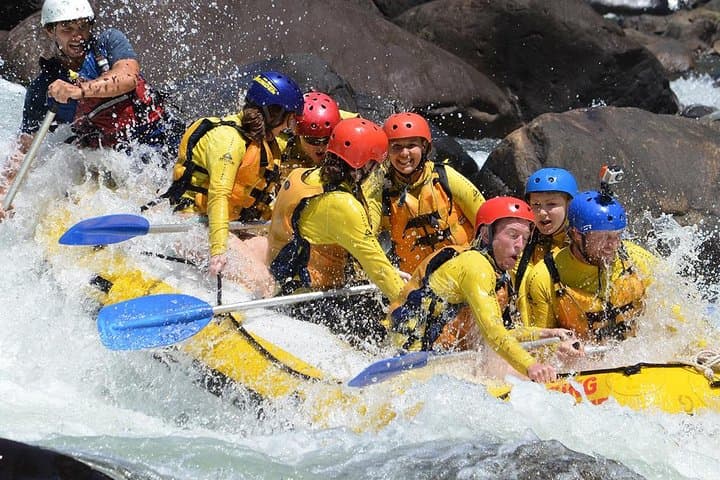
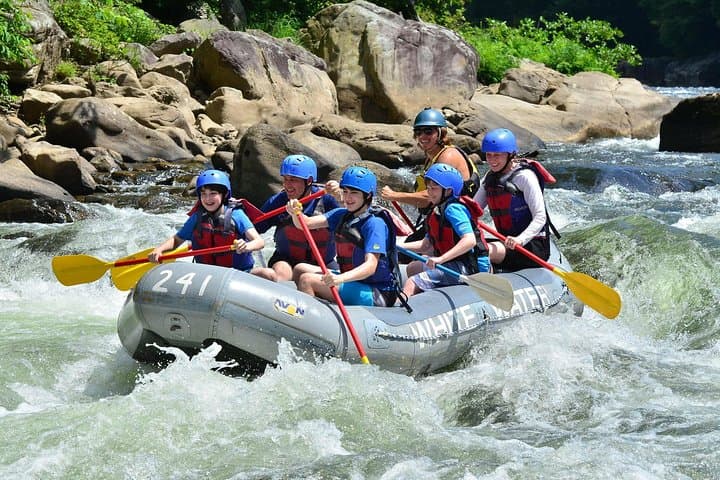
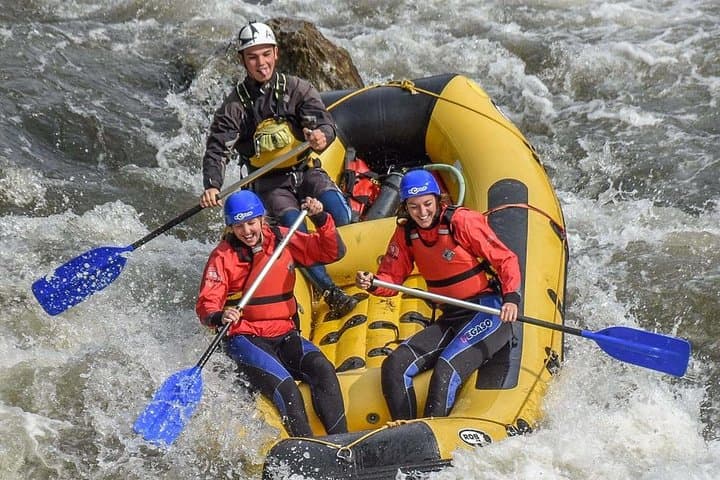
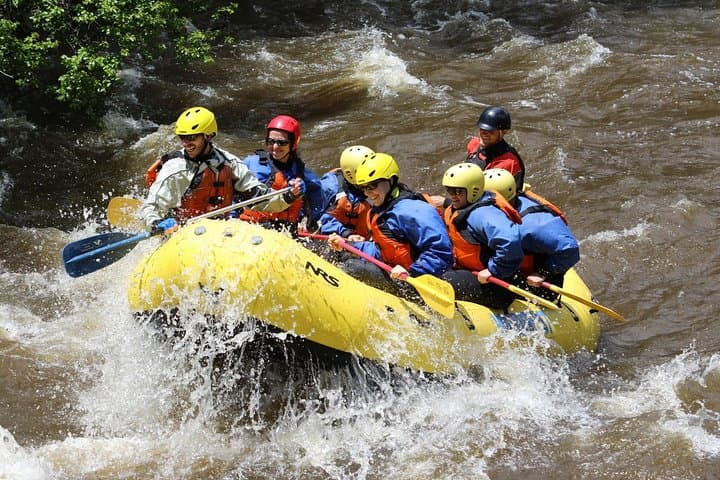
You step out of the bus where the road drops close to the river and the sound of water grows teeth—sharp, alive, unrelenting. Morning mist lifts from the Trishuli’s surface and reveals steep banks threaded with fig and sal trees. Guides lay out helmets and life jackets on a sun-warmed rock; the current calls, not in threat but in invitation. By the time the rafts shove off near Malekhu, the valley opens and the river pushes you into a rhythm of chop and laughter.
You step out of the bus where the road drops close to the river and the sound of water grows teeth—sharp, alive, unrelenting. Morning mist lifts from the Trishuli’s surface and reveals steep banks threaded with fig and sal trees. Guides lay out helmets and life jackets on a sun-warmed rock; the current calls, not in threat but in invitation. By the time the rafts shove off near Malekhu, the valley opens and the river pushes you into a rhythm of chop and laughter.
Trishuli has been a corridor for people and goods for centuries. Its name evokes Shiva’s trident, and local settlements grew where traders and pilgrims needed a crossing. Geologically, the river has cut through young Himalayan foothills—rock shelves and gravel bars that reroute the flow seasonally and create the big, bouncy waves rafters chase. Culturally, the banks host small towns known for fresh river fish and roadside tea stalls where drivers and guides trade news.
The experience is straightforward and social: a 3–4 hour drive from Kathmandu to the Malekhu put-in, then roughly four hours of rafting downstream to Mugling. Expect sustained Class II–III rapids—enough to get airborne off the waves but not so technical that you need prior river experience. Guides steer, call commands, and keep safety close; still, the river asks for attention. Along the route, forested bluffs and occasional limestone shelves provide contrast to the bright, striking water pushing you downstream. Birds—kingfishers with electric flashes and the odd jungle crow—dart at the river’s edge, and if you pause, small fishing hamlets reveal how people still read the river for food and livelihood.
Practically: come with a baseline of fitness (some core strength and stamina for repeated paddle bursts), wear quick-dry clothing, and be ready for a full day—early pickup in Kathmandu, the drive, the rapids, lunch on shore, and the return. The river changes with the seasons; monsoon swells make the ride livelier and wetter, while winter and spring lower flows and expose more rocky shoots.
Local operators include ISO/CE-certified equipment and English-speaking licensed guides; they provide transportation, helmets, paddles, and splash jackets. For photographers, the best shots are from the put-in bluff, the raft at a mid-river drop, and the lunch stop where villagers and rafters mingle. Leave no trace: the Trishuli valley is a working landscape and its long-term health depends on respectful use.
This day trip is easy to add to a Kathmandu itinerary but delivers a compact dose of Himalayan river running—the kind that asks only for curiosity, a steady paddle, and the willingness to get wet.