THE ADVENTURE COLLECTIVE® · Independent discovery and booking for outdoor travel

On the Kelani River, Kitulgala serves up quicksilver rapids, jungle views, and routes for both beginners and experienced paddlers. This three-hour guided run mixes technical river play with straightforward logistics—perfect if you want adrenaline without guesswork.
On the Kelani River, Kitulgala serves up quicksilver rapids, jungle views, and routes for both beginners and experienced paddlers. This three-hour guided run mixes technical river play with straightforward logistics—perfect if you want adrenaline without guesswork.
You push off from a tumbled stone bank and the Kelani River takes your oar. The first drop arrives with a shout—water foaming against the raft’s nose, trees sliding past like pages in a fast book. Around you the hills of Sabaragamuwa lean in, their slopes threaded with streams that feed the river and funnel rain into the rapids. The guide’s commands are clipped; the current is insistent. Moments of flat water let you catch your breath, then the river dares you again.
Verified experiences and guided adventures in the surrounding area.
Operated by Train Journeys in Sri Lanka · Kitulgala, Sabaragamuwa Province
You push off from a tumbled stone bank and the Kelani River takes your oar. The first drop arrives with a shout—water foaming against the raft’s nose, trees sliding past like pages in a fast book. Around you the hills of Sabaragamuwa lean in, their slopes threaded with streams that feed the river and funnel rain into the rapids. The guide’s commands are clipped; the current is insistent. Moments of flat water let you catch your breath, then the river dares you again.
Kitulgala sits where the Central Highlands begin to give up steepness and the Kelani River gathers speed on its run toward Colombo. Geologically the river has carved narrow gorges and exposed banded rocks that hint at ancient uplift; culturally, the village is best known to many as one of the filming locations linked with the era-defining Bridge on the River Kwai. Today the setting is shared between local rafters, birdwatchers scanning the canopy for flameback woodpeckers, and tea-colored waters that move from easy downstream runs suitable for beginners to a 5-kilometer upstream section that challenges experienced paddlers.
The course offers variety: gentler downstream stretches where you learn ferrying and edging, and punchier Grade II–III rapids in the upper reaches when flows are higher. Guides working out of Kitulgala combine safety briefings with practical rivercraft—throw lines, wet exits, and the timing of strokes through holes where the river bends and breaks. Outside the raft, jungle trails and campsites sit a short walk from the river and make multi-activity days easy: a morning trek to a waterfall, an afternoon on water.
Practicalities: tours typically run about three hours door-to-door and include hotel pickup around Kitulgala. Expect a physical outing—participants should be comfortable in the water, able to follow commands, and free of serious heart or spinal conditions. Bring a secure change of clothes, quick-dry layers, a small dry bag for phone/keys, and footwear with good grip. Hydration is essential; the river cools your hands, not your core.
Timing matters: high river flows after heavy rains make for more technical rapids and are best for experienced paddlers; lower flows are gentler and better for first-timers. Book a guided session if you have limited river experience—private tours are common and guides adapt routes to skill level. Whether you’re there for the adrenaline or the forest birds, Kitulgala’s Kelani River is direct and demanding: it rewards attention, pace, and respect for the current.
moderate.
3 hours.
Good aerobic fitness and the ability to follow commands in the water; basic swimming ability recommended
No — guides offer instruction for beginners on downstream sections; the upstream 5 km route is suited to experienced rafters.
Basic swimming skills are recommended because swims and self-rescue drills are possible, but life jackets are provided.
The activity runs about three hours door-to-door including pickup, briefing and time on the water.
Not recommended for pregnant guests, people with serious heart or spinal conditions; guides carry safety gear and are trained in river rescue.
Hotel pickup and drop-off around Kitulgala are typically included; pickups from outside the area may incur extra charges.
After heavy rains or during the southwest monsoon the river’s flow increases—choose these periods if you want more technical rapids and have experience.
Kitulgala gained international attention as a filming location linked to mid-20th-century cinema; the area has long been a crossroads between lowland plantations and inland highlands.
Organized operators limit group sizes and use established launch points to reduce riverbank erosion; visitors are encouraged to pack out all waste and respect local fauna.
Train Journeys in Sri Lanka operates guided outdoor trips and adventures with an emphasis on safety, stewardship, and memorable experiences.
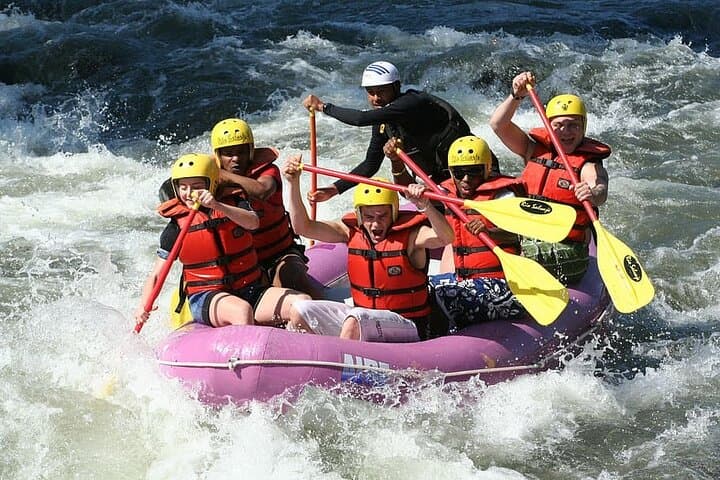
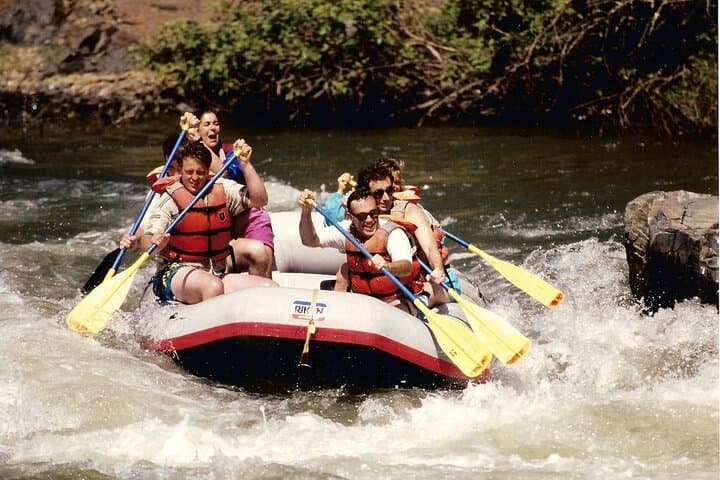
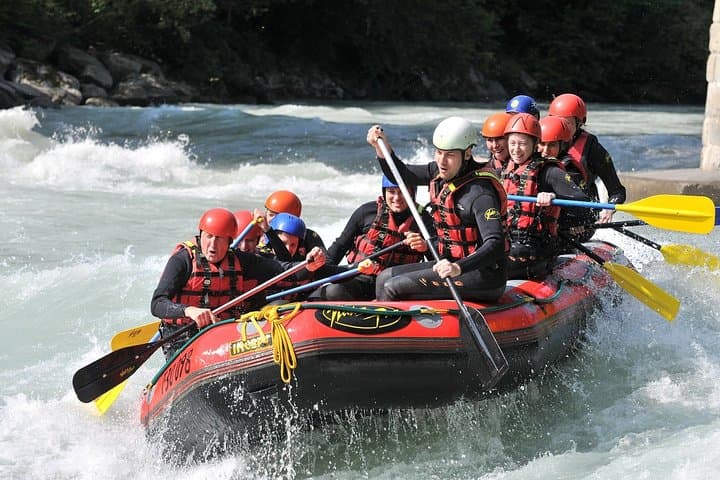
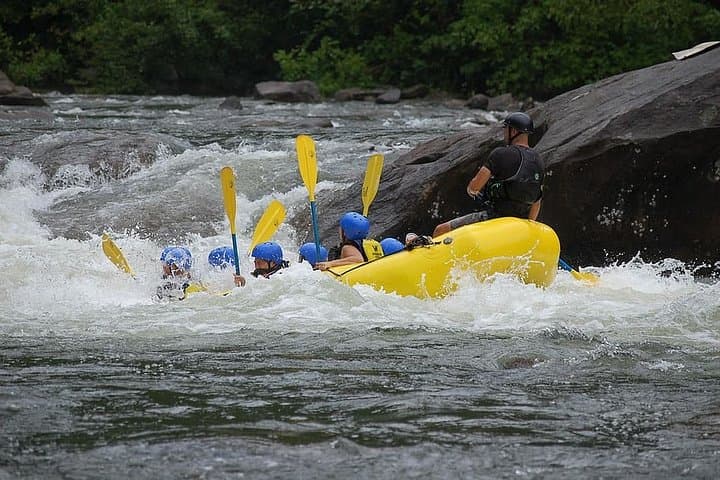
You push off from a tumbled stone bank and the Kelani River takes your oar. The first drop arrives with a shout—water foaming against the raft’s nose, trees sliding past like pages in a fast book. Around you the hills of Sabaragamuwa lean in, their slopes threaded with streams that feed the river and funnel rain into the rapids. The guide’s commands are clipped; the current is insistent. Moments of flat water let you catch your breath, then the river dares you again.
You push off from a tumbled stone bank and the Kelani River takes your oar. The first drop arrives with a shout—water foaming against the raft’s nose, trees sliding past like pages in a fast book. Around you the hills of Sabaragamuwa lean in, their slopes threaded with streams that feed the river and funnel rain into the rapids. The guide’s commands are clipped; the current is insistent. Moments of flat water let you catch your breath, then the river dares you again.
Kitulgala sits where the Central Highlands begin to give up steepness and the Kelani River gathers speed on its run toward Colombo. Geologically the river has carved narrow gorges and exposed banded rocks that hint at ancient uplift; culturally, the village is best known to many as one of the filming locations linked with the era-defining Bridge on the River Kwai. Today the setting is shared between local rafters, birdwatchers scanning the canopy for flameback woodpeckers, and tea-colored waters that move from easy downstream runs suitable for beginners to a 5-kilometer upstream section that challenges experienced paddlers.
The course offers variety: gentler downstream stretches where you learn ferrying and edging, and punchier Grade II–III rapids in the upper reaches when flows are higher. Guides working out of Kitulgala combine safety briefings with practical rivercraft—throw lines, wet exits, and the timing of strokes through holes where the river bends and breaks. Outside the raft, jungle trails and campsites sit a short walk from the river and make multi-activity days easy: a morning trek to a waterfall, an afternoon on water.
Practicalities: tours typically run about three hours door-to-door and include hotel pickup around Kitulgala. Expect a physical outing—participants should be comfortable in the water, able to follow commands, and free of serious heart or spinal conditions. Bring a secure change of clothes, quick-dry layers, a small dry bag for phone/keys, and footwear with good grip. Hydration is essential; the river cools your hands, not your core.
Timing matters: high river flows after heavy rains make for more technical rapids and are best for experienced paddlers; lower flows are gentler and better for first-timers. Book a guided session if you have limited river experience—private tours are common and guides adapt routes to skill level. Whether you’re there for the adrenaline or the forest birds, Kitulgala’s Kelani River is direct and demanding: it rewards attention, pace, and respect for the current.