THE ADVENTURE COLLECTIVE® · Independent discovery and booking for outdoor travel

Leave Reykjavik’s Old Harbour and cross into Faxaflói bay where Minke and Humpback whales, dolphins and porpoises perform against a backdrop of volcanic coastlines. This guided, 3–3.5 hour excursion balances thrilling wildlife encounters with practical comforts—warm overalls, heated cabins, and experienced guides.
Leave Reykjavik’s Old Harbour and cross into Faxaflói bay where Minke and Humpback whales, dolphins and porpoises perform against a backdrop of volcanic coastlines. This guided, 3–3.5 hour excursion balances thrilling wildlife encounters with practical comforts—warm overalls, heated cabins, and experienced guides.
You step off the cobblestones of Reykjavik’s Old Harbour and the wind—cold, clean, insistent—pushes at your jacket like the ocean itself daring you to come aboard. The short walk to Geirsgata 11 gives way to the soft thud of a diesel engine and the smell of salt; within minutes the city skyline slips astern and Faxaflói bay opens wide, mountains and islands rimmed in a low, bristling light.
Verified experiences and guided adventures in the surrounding area.
Operated by Reykjavik Sailors · Reykjavik, Capital Region
You step off the cobblestones of Reykjavik’s Old Harbour and the wind—cold, clean, insistent—pushes at your jacket like the ocean itself daring you to come aboard. The short walk to Geirsgata 11 gives way to the soft thud of a diesel engine and the smell of salt; within minutes the city skyline slips astern and Faxaflói bay opens wide, mountains and islands rimmed in a low, bristling light.
The bay is framed by geology that reads like an atlas of Iceland’s restless past: lava fields that cooled into cliffs, glacial valleys carved during the last Ice Age, and the black stone of nearby islands that rise from nutrient-rich currents. Historically the Old Harbour was Reykjavik’s working heart—boats, cod and herring, and a community shaped by the sea. Modern whale watching here is a quieter counterpoint to that history: tourism conducted with an eye toward observation rather than harvest, led by guides who know the movements of Minke and Humpback whales as well as they know the tides.
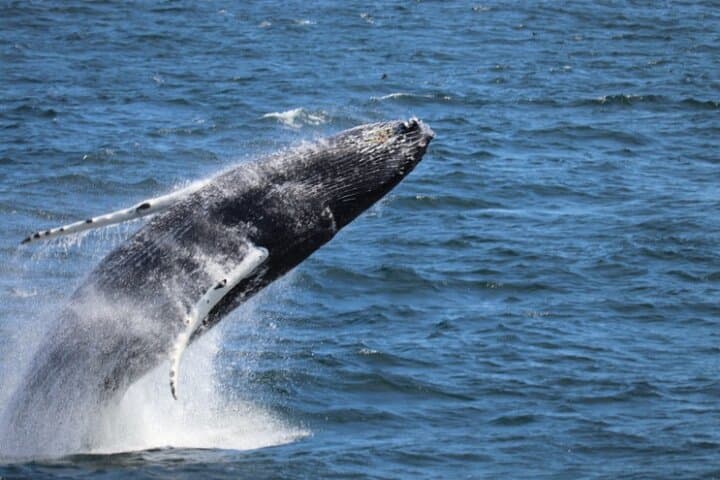
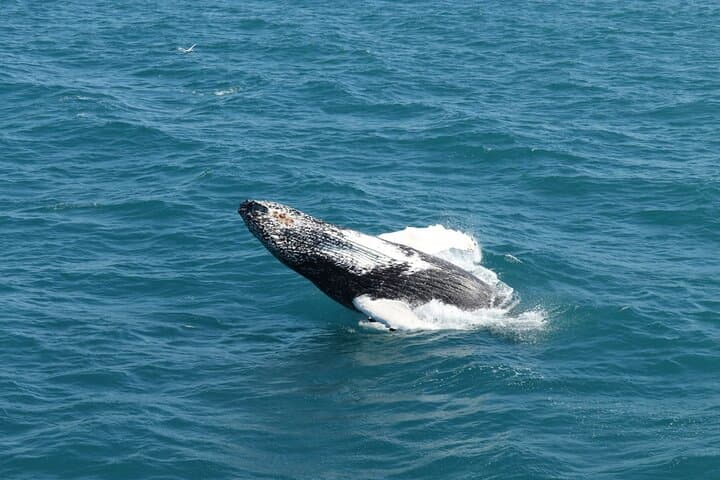
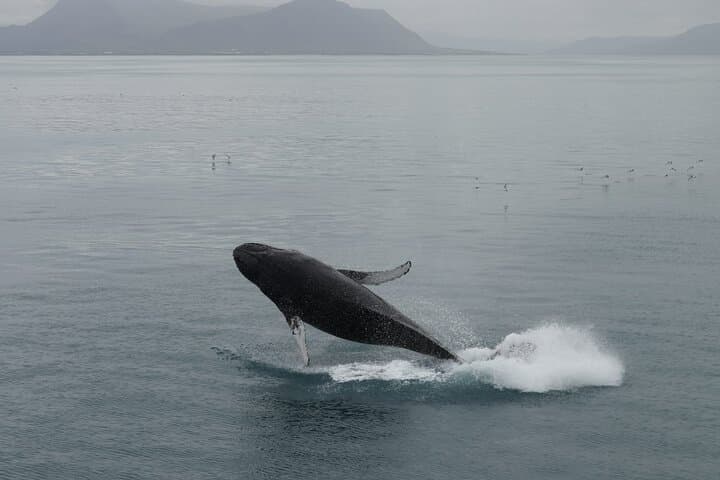
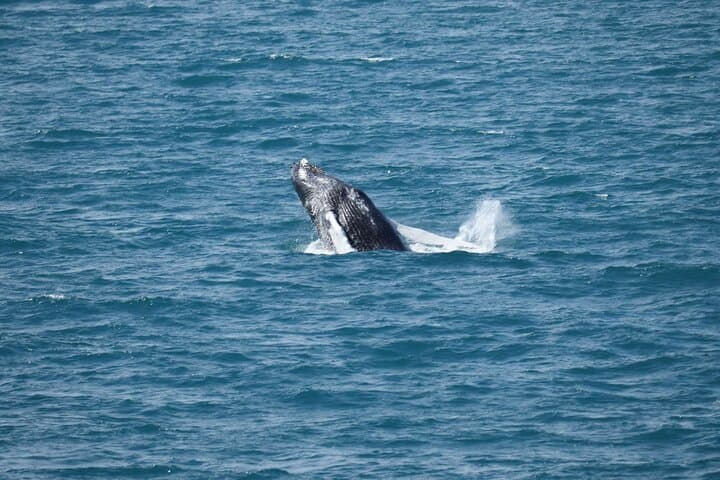
On a good day the experience is equal parts natural theater and coastal sightseeing. Humpbacks breach, tails flash, porpoises rocket alongside the bow, and seabirds wheel under cliffs and between islands. The operators provide warm flotation overalls and heated cabins—practicalities that keep the focus on sightings rather than discomfort. Boats range from open-deck nimble craft to larger vessels with bars and indoor seating; trips typically range three to three-and-a-half hours, pushing out into the productive feeding grounds of Faxaflói where whales come to gorge on schools of herring and capelin.
Practical notes: meet at Geirsgata 11 and arrive 30 minutes before departure for check-in. Dress in layers: a warm base, fleece, and a windproof shell; even on summer days the wind off the bay bites. Non-slip footwear is essential for wet decks. If you’re prone to seasickness, take medication beforehand—operators usually carry complimentary tablets, but pre-dosing is more effective. Bring binoculars and a telephoto lens (200–400mm recommended), and keep batteries and memory cards warm in an inner pocket.
Conservation-minded operators avoid chasing whales and will reschedule or refund if conditions make sightings unlikely; some offer a free re-ride if no whales are seen. For photographers and first-timers alike, patience is the quiet currency of the trip—watch the water for a spout, listen for the guide’s call, and let the bay reveal its actors in its own time.
easy.
3–3.5 hours.
Suitable for most fitness levels; you should be able to climb a short gangway and stand or sit for several hours.
The excursion lasts about 3 to 3.5 hours from departure to return, including transit into productive areas of Faxaflói bay.
Sightings are common but not guaranteed; operators typically offer a free re-ride or refund if no whales are observed due to conditions.
Layered clothing with a warm base, fleece, and a windproof shell; non-slip shoes and a hat are recommended year-round.
Some boats are wheelchair accessible—notify the operator in advance so they can arrange an appropriate vessel if available.
Yes—many boats have heated indoor cabins, toilets, a bar for snacks and drinks, and complimentary Wi‑Fi on larger vessels.
Complimentary tablets may be provided onboard, but taking your preferred preventative medication before boarding is advised for best results.
Reykjavik’s Old Harbour evolved from a 19th-century fishing hub into a modern gateway for marine tourism; Faxaflói bay’s rich waters have long supported both fisheries and migratory whales.
Operators follow guidelines to minimize disturbance—maintain set distances, avoid pursuit, and prioritize animal welfare; the free re-ride policy reduces pressure to chase sightings.
Reykjavik Sailors operates guided outdoor trips and adventures with an emphasis on safety, stewardship, and memorable experiences.
You step off the cobblestones of Reykjavik’s Old Harbour and the wind—cold, clean, insistent—pushes at your jacket like the ocean itself daring you to come aboard. The short walk to Geirsgata 11 gives way to the soft thud of a diesel engine and the smell of salt; within minutes the city skyline slips astern and Faxaflói bay opens wide, mountains and islands rimmed in a low, bristling light.
You step off the cobblestones of Reykjavik’s Old Harbour and the wind—cold, clean, insistent—pushes at your jacket like the ocean itself daring you to come aboard. The short walk to Geirsgata 11 gives way to the soft thud of a diesel engine and the smell of salt; within minutes the city skyline slips astern and Faxaflói bay opens wide, mountains and islands rimmed in a low, bristling light.
The bay is framed by geology that reads like an atlas of Iceland’s restless past: lava fields that cooled into cliffs, glacial valleys carved during the last Ice Age, and the black stone of nearby islands that rise from nutrient-rich currents. Historically the Old Harbour was Reykjavik’s working heart—boats, cod and herring, and a community shaped by the sea. Modern whale watching here is a quieter counterpoint to that history: tourism conducted with an eye toward observation rather than harvest, led by guides who know the movements of Minke and Humpback whales as well as they know the tides.
On a good day the experience is equal parts natural theater and coastal sightseeing. Humpbacks breach, tails flash, porpoises rocket alongside the bow, and seabirds wheel under cliffs and between islands. The operators provide warm flotation overalls and heated cabins—practicalities that keep the focus on sightings rather than discomfort. Boats range from open-deck nimble craft to larger vessels with bars and indoor seating; trips typically range three to three-and-a-half hours, pushing out into the productive feeding grounds of Faxaflói where whales come to gorge on schools of herring and capelin.
Practical notes: meet at Geirsgata 11 and arrive 30 minutes before departure for check-in. Dress in layers: a warm base, fleece, and a windproof shell; even on summer days the wind off the bay bites. Non-slip footwear is essential for wet decks. If you’re prone to seasickness, take medication beforehand—operators usually carry complimentary tablets, but pre-dosing is more effective. Bring binoculars and a telephoto lens (200–400mm recommended), and keep batteries and memory cards warm in an inner pocket.
Conservation-minded operators avoid chasing whales and will reschedule or refund if conditions make sightings unlikely; some offer a free re-ride if no whales are seen. For photographers and first-timers alike, patience is the quiet currency of the trip—watch the water for a spout, listen for the guide’s call, and let the bay reveal its actors in its own time.