THE ADVENTURE COLLECTIVE® · Independent discovery and booking for outdoor travel

Step behind the barn doors at Walnut Hollow Ranch for a private walking tour that pairs hands-on animal care with visible conservation practice. In an hour you’ll see rotational grazing in action, meet the herd, and learn how a family farm balances production with watershed protection.
Step behind the barn doors at Walnut Hollow Ranch for a private walking tour that pairs hands-on animal care with visible conservation practice. In an hour you’ll see rotational grazing in action, meet the herd, and learn how a family farm balances production with watershed protection.
The first thing you notice at Walnut Hollow is the red of the main barn—bright against the green of fenced pastures—and the sound of hooves arranging themselves into a slow, deliberate rhythm. A guide meets you at the barn, keys in hand, and the concrete drive leads the group down a gentle slope where pasture lines and stone drains sketch the logic of stewardship. The herd is often just at the ridge, a scatter of dark shapes against the sky; the cattle watch you with the calm curiosity of animals that know people mean food, not trouble.
Verified experiences and guided adventures in the surrounding area.
Operated by Walnut Hollow Ranch · Hayesville, North Carolina
The first thing you notice at Walnut Hollow is the red of the main barn—bright against the green of fenced pastures—and the sound of hooves arranging themselves into a slow, deliberate rhythm. A guide meets you at the barn, keys in hand, and the concrete drive leads the group down a gentle slope where pasture lines and stone drains sketch the logic of stewardship. The herd is often just at the ridge, a scatter of dark shapes against the sky; the cattle watch you with the calm curiosity of animals that know people mean food, not trouble.
This is a working cattle ranch with a conservation agenda. Owners here use rotational grazing and regenerative practices that echo a long Appalachian tradition of family farms adapting to economic and ecological pressures. Clay County’s soils are shallow and stony, shaped by ancient uplift and weathering; pastures sit on thin layers of loam above fractured bedrock, which makes water management and riparian buffers critical. Walnut Hollow’s award as a 2014 WNC Conservation Farm Family of the Year reflects its focus on soil health, stream buffers, and animal welfare—visitors see the practical side of conservation, not just theory.
On the hour-long, private walking tour the guide explains feed and nutrient regimes, animal husbandry standards, and the certifications that reassure consumers—Beef Quality Assurance and Animal Welfare Approved—while pointing out the small practices that matter: a properly sited water trough, a diversified pasture mix, a fenced wetland that keeps runoff from reaching creeks. You’ll walk along lane ways, past paddocks, and down to the conservation wetland where cattails and sedge do the quiet work of filtration. The pace is easy; the conversation moves between the technical—phosphorus budgets, rotational schedules—and the human: how a family keeps a farm productive and solvent.
Practical details matter here. Tours run by appointment, with public slots Friday and Saturday at 10:30 a.m. and 2:30 p.m.; private tours can be scheduled other weekdays. The property is stroller- and RV-friendly, and pets (service animals) are allowed, but the ranch asks pregnant visitors or those with serious heart conditions to sit this one out due to farm risks. Expect uneven footing, sun and wind exposure on the ridge, and plenty of photo opportunities against the barn and across the pastures.
For anyone curious about where food comes from and how working landscapes can support both production and biodiversity, Walnut Hollow is a direct, grounded experience. Come prepared with sturdy footwear, water, and a few questions; leave with a clearer sense of the decisions that shape the beef on the table and the health of the land it came from.
easy.
1 hour.
Light walking on mostly flat farm roads; suitable for most fitness levels but requires steady footing.
Call Walnut Hollow Ranch to schedule—public tours usually run Fridays and Saturdays at 10:30 a.m. or 2:30 p.m.; weekday private tours available by appointment.
Yes—infants and small children can ride in strollers; the ranch is family-friendly but supervise kids around animals and fences.
Pets are not recommended; service animals are permitted. Pets may stress livestock and are discouraged for safety and biosecurity reasons.
The property accommodates strollers, but terrain can be uneven; contact the ranch in advance to discuss specific accessibility needs.
Closed-toe, sturdy shoes and layered clothing appropriate for outdoor conditions; sunscreen and a hat are advised in summer.
For a full refund cancel at least 24 hours before the scheduled departure; last-minute cancellations are non-refundable.
Walnut Hollow has been recognized for conservation stewardship, earning a 2014 Regional WNC Conservation Farm Family of the Year award for sustainable pasture and watershed practices.
The ranch practices rotational grazing and maintains riparian buffers to protect water quality; visitors learn how these measures reduce erosion and improve soil health.
Walnut Hollow Ranch operates guided outdoor trips and adventures with an emphasis on safety, stewardship, and memorable experiences.
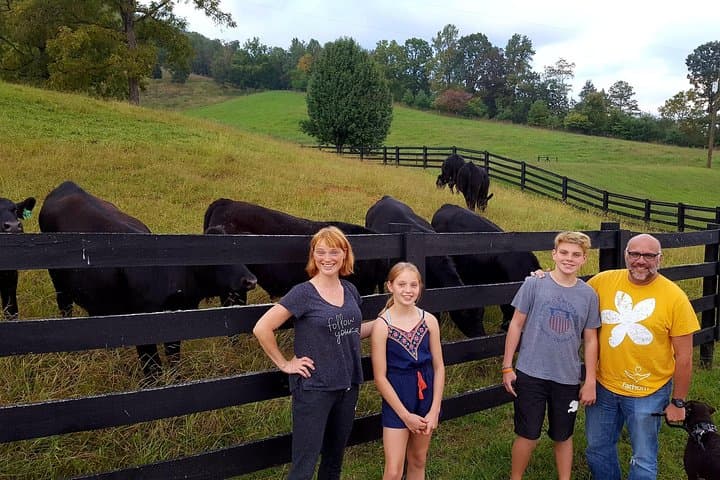
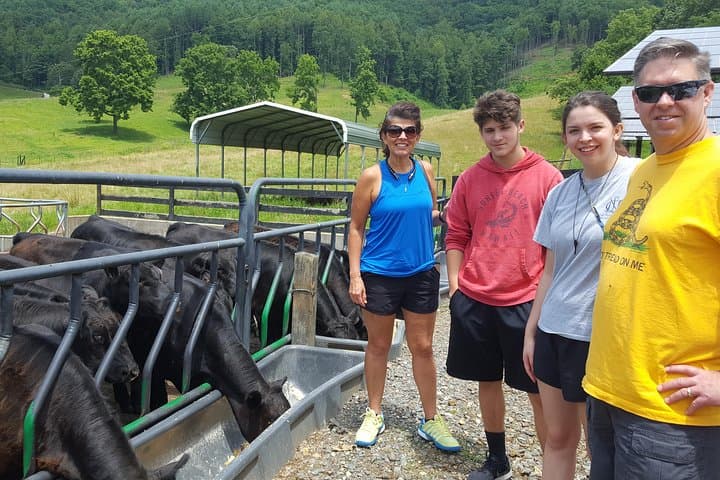
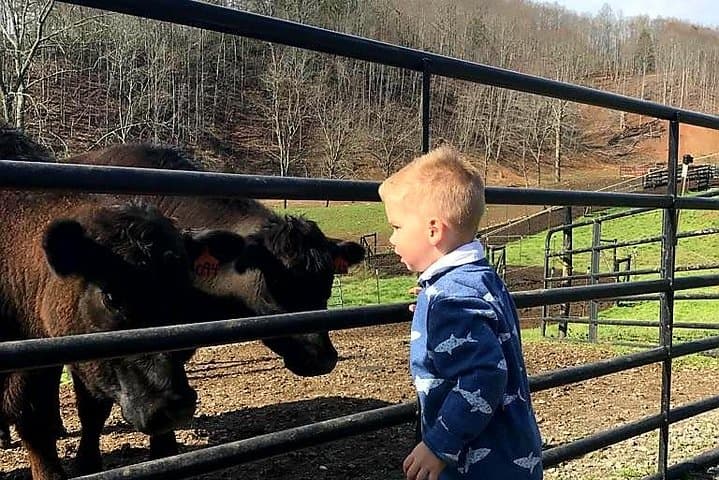
The first thing you notice at Walnut Hollow is the red of the main barn—bright against the green of fenced pastures—and the sound of hooves arranging themselves into a slow, deliberate rhythm. A guide meets you at the barn, keys in hand, and the concrete drive leads the group down a gentle slope where pasture lines and stone drains sketch the logic of stewardship. The herd is often just at the ridge, a scatter of dark shapes against the sky; the cattle watch you with the calm curiosity of animals that know people mean food, not trouble.
The first thing you notice at Walnut Hollow is the red of the main barn—bright against the green of fenced pastures—and the sound of hooves arranging themselves into a slow, deliberate rhythm. A guide meets you at the barn, keys in hand, and the concrete drive leads the group down a gentle slope where pasture lines and stone drains sketch the logic of stewardship. The herd is often just at the ridge, a scatter of dark shapes against the sky; the cattle watch you with the calm curiosity of animals that know people mean food, not trouble.
This is a working cattle ranch with a conservation agenda. Owners here use rotational grazing and regenerative practices that echo a long Appalachian tradition of family farms adapting to economic and ecological pressures. Clay County’s soils are shallow and stony, shaped by ancient uplift and weathering; pastures sit on thin layers of loam above fractured bedrock, which makes water management and riparian buffers critical. Walnut Hollow’s award as a 2014 WNC Conservation Farm Family of the Year reflects its focus on soil health, stream buffers, and animal welfare—visitors see the practical side of conservation, not just theory.
On the hour-long, private walking tour the guide explains feed and nutrient regimes, animal husbandry standards, and the certifications that reassure consumers—Beef Quality Assurance and Animal Welfare Approved—while pointing out the small practices that matter: a properly sited water trough, a diversified pasture mix, a fenced wetland that keeps runoff from reaching creeks. You’ll walk along lane ways, past paddocks, and down to the conservation wetland where cattails and sedge do the quiet work of filtration. The pace is easy; the conversation moves between the technical—phosphorus budgets, rotational schedules—and the human: how a family keeps a farm productive and solvent.
Practical details matter here. Tours run by appointment, with public slots Friday and Saturday at 10:30 a.m. and 2:30 p.m.; private tours can be scheduled other weekdays. The property is stroller- and RV-friendly, and pets (service animals) are allowed, but the ranch asks pregnant visitors or those with serious heart conditions to sit this one out due to farm risks. Expect uneven footing, sun and wind exposure on the ridge, and plenty of photo opportunities against the barn and across the pastures.
For anyone curious about where food comes from and how working landscapes can support both production and biodiversity, Walnut Hollow is a direct, grounded experience. Come prepared with sturdy footwear, water, and a few questions; leave with a clearer sense of the decisions that shape the beef on the table and the health of the land it came from.