THE ADVENTURE COLLECTIVE® · Independent discovery and booking for outdoor travel

Drive through red sandstone valleys, scramble narrow canyons, sandboard down sun-warmed dunes, and spend a night in a Bedouin camp where zarb simmers under the sand. This full-day jeep tour with an overnight stay in Wadi Rum is an efficient, culturally rich way to experience Jordan’s red desert.
Drive through red sandstone valleys, scramble narrow canyons, sandboard down sun-warmed dunes, and spend a night in a Bedouin camp where zarb simmers under the sand. This full-day jeep tour with an overnight stay in Wadi Rum is an efficient, culturally rich way to experience Jordan’s red desert.
The jeep’s engine hums like a small animal as it eats the first dunes, and the windshield snaps with sun and sand. Drivers steer between red sandstone towers that lean like old men telling stories; wind-carved gullies slide away into ragged horizons. By late afternoon the desert breathes differently — a cooler, copper light that outlines arches and rock bridges. In a single day you can drive across this landscape, climb through narrow canyons, sandboard on soft slopes, and by evening sit in a Bedouin tent while a zarb cooks beneath the sand.
Verified experiences and guided adventures in the surrounding area.
Operated by Wadi Rum Quiet Village Camp · Wadi Rum Village, Aqaba Governorate
The jeep’s engine hums like a small animal as it eats the first dunes, and the windshield snaps with sun and sand. Drivers steer between red sandstone towers that lean like old men telling stories; wind-carved gullies slide away into ragged horizons. By late afternoon the desert breathes differently — a cooler, copper light that outlines arches and rock bridges. In a single day you can drive across this landscape, climb through narrow canyons, sandboard on soft slopes, and by evening sit in a Bedouin tent while a zarb cooks beneath the sand.
Wadi Rum is a place of layered histories. Millennia of rainfall on limestone over granite created the springs that make rare desert oases, and the same geology sculpted the arches and bridges visitors climb today. The Nabataeans left petroglyphs in Jebel Khazali; later, TE Lawrence passed through and left his name attached to ruins where Nabataean foundations meet Ottoman-era stonework. The landscape also has a modern cultural layer: today’s Bedouin guides combine ancestral knowledge with contemporary hospitality, sharing tea, stories and a surprisingly rich culinary tradition after a day in the sun.
A full-day jeep tour here is half exploration, half orientation — a way to see Burdah and Um Fruth bridges, scramble Abu Khashaba canyon, and stand on dunes that framed scenes in several films. Guides point out the natural water basins cut into rock, explain how mushroom rocks form, and show petroglyphs tucked into rock clefts. The overnight is not glamour camping but a focused cultural exchange: private canvas tents, shared bathrooms, blankets and lining, and a communal dinner of zarb — meat and vegetables slow-cooked beneath heated sand.
Practicalities matter. The terrain alternates between loose sand and rocky steps; comfortable hiking shoes with good traction are essential. Temperatures swing — blazing at midday, sharp at dawn — so layered clothing and sun protection are non-negotiable. The camp provides basic Wi‑Fi and transfers to the village. If you have mobility concerns, ask in advance: much of the touring requires short walks and climbing uneven surfaces.
Timing your visit makes a big difference. Spring and autumn offer the most comfortable weather for long day drives; summer brings fierce heat best avoided at peak hours. Book an experienced local guide for safety and richer interpretation — they know which valleys hold shade and which dunes are safest for sandboarding. Leave no trace: fragile desert plants and cultural sites suffer from off-trail wandering and excessive graffiti. Arrive ready to listen as much as to see — Wadi Rum rewards curiosity and respect with quiet, unforgettable moments under a wide desert sky.
moderate.
2 days (approx. 48 hours).
Moderate fitness—able to walk 30–60 minutes over uneven sand and rock, and handle short climbs and sandy hikes.
The tour runs roughly 48 hours from pickup to drop-off; overnight includes a private tent with shared bathroom, blankets/lining, dinner (zarb) and breakfast.
Most people can participate—sites involve short hikes and easy scrambles; inform the operator of mobility issues in advance so they can adapt the route.
Yes, sandboarding is listed among inclusions; bring closed shoes to ride safely and avoid bare feet on hot sand.
Wadi Rum Village is about a 45–60 minute drive from Aqaba depending on traffic; the operator meets at the Quiet Village parking lot inside the protected area.
Yes, guides are local Bedouin who provide cultural interpretation, cooking and navigation across the desert routes.
Full refund if cancelled at least 24 hours before departure; trips may be cancelled in bad weather with refund eligibility as stated.
Wadi Rum holds traces from Nabataean inscriptions to sites associated with TE Lawrence; its rock art and ancient water basins document sustained human use of a harsh landscape.
The Wadi Rum Protected Area regulates access to key sites and encourages guided visits to limit erosion and protect petroglyphs; stay on marked tracks and avoid chalking or touching rock art.
Wadi Rum Quiet Village Camp operates guided outdoor trips and adventures with an emphasis on safety, stewardship, and memorable experiences.
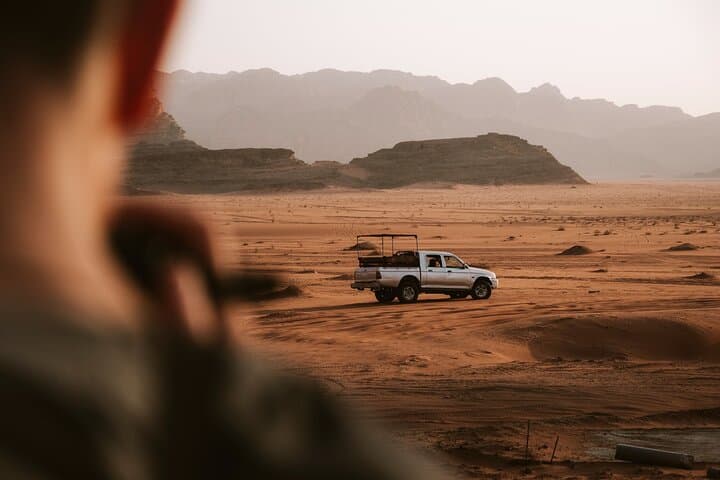
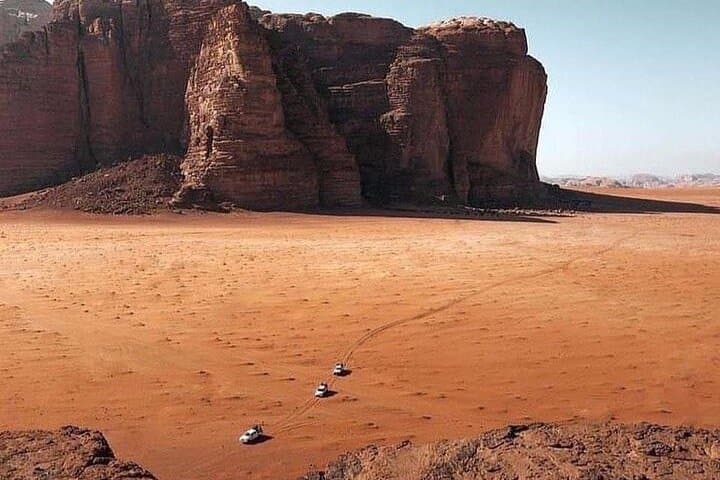
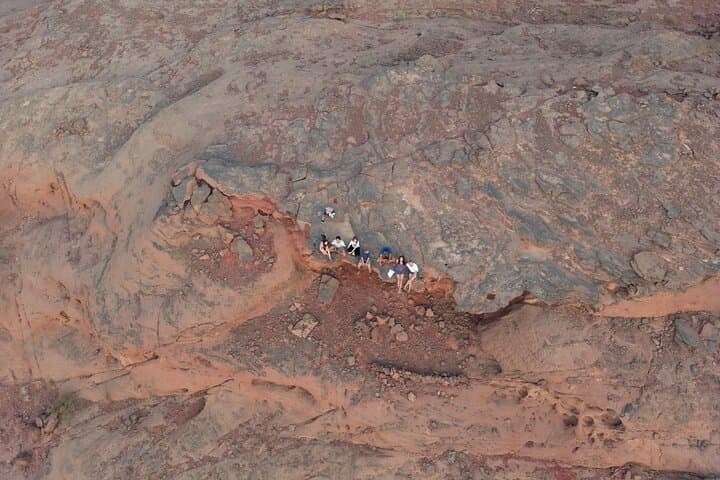
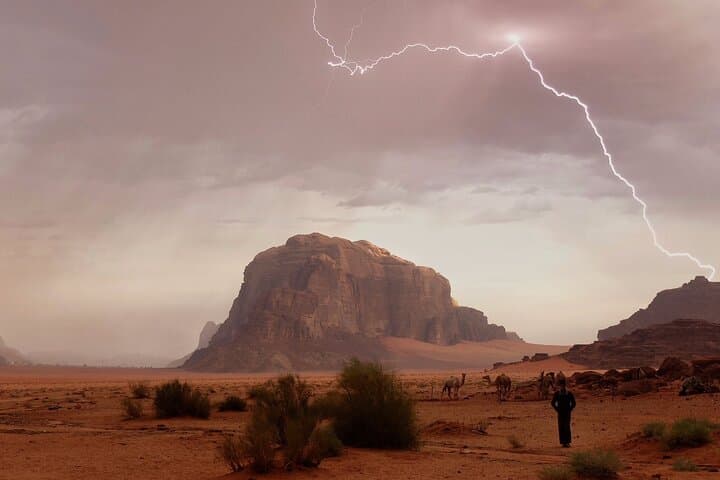
The jeep’s engine hums like a small animal as it eats the first dunes, and the windshield snaps with sun and sand. Drivers steer between red sandstone towers that lean like old men telling stories; wind-carved gullies slide away into ragged horizons. By late afternoon the desert breathes differently — a cooler, copper light that outlines arches and rock bridges. In a single day you can drive across this landscape, climb through narrow canyons, sandboard on soft slopes, and by evening sit in a Bedouin tent while a zarb cooks beneath the sand.
The jeep’s engine hums like a small animal as it eats the first dunes, and the windshield snaps with sun and sand. Drivers steer between red sandstone towers that lean like old men telling stories; wind-carved gullies slide away into ragged horizons. By late afternoon the desert breathes differently — a cooler, copper light that outlines arches and rock bridges. In a single day you can drive across this landscape, climb through narrow canyons, sandboard on soft slopes, and by evening sit in a Bedouin tent while a zarb cooks beneath the sand.
Wadi Rum is a place of layered histories. Millennia of rainfall on limestone over granite created the springs that make rare desert oases, and the same geology sculpted the arches and bridges visitors climb today. The Nabataeans left petroglyphs in Jebel Khazali; later, TE Lawrence passed through and left his name attached to ruins where Nabataean foundations meet Ottoman-era stonework. The landscape also has a modern cultural layer: today’s Bedouin guides combine ancestral knowledge with contemporary hospitality, sharing tea, stories and a surprisingly rich culinary tradition after a day in the sun.
A full-day jeep tour here is half exploration, half orientation — a way to see Burdah and Um Fruth bridges, scramble Abu Khashaba canyon, and stand on dunes that framed scenes in several films. Guides point out the natural water basins cut into rock, explain how mushroom rocks form, and show petroglyphs tucked into rock clefts. The overnight is not glamour camping but a focused cultural exchange: private canvas tents, shared bathrooms, blankets and lining, and a communal dinner of zarb — meat and vegetables slow-cooked beneath heated sand.
Practicalities matter. The terrain alternates between loose sand and rocky steps; comfortable hiking shoes with good traction are essential. Temperatures swing — blazing at midday, sharp at dawn — so layered clothing and sun protection are non-negotiable. The camp provides basic Wi‑Fi and transfers to the village. If you have mobility concerns, ask in advance: much of the touring requires short walks and climbing uneven surfaces.
Timing your visit makes a big difference. Spring and autumn offer the most comfortable weather for long day drives; summer brings fierce heat best avoided at peak hours. Book an experienced local guide for safety and richer interpretation — they know which valleys hold shade and which dunes are safest for sandboarding. Leave no trace: fragile desert plants and cultural sites suffer from off-trail wandering and excessive graffiti. Arrive ready to listen as much as to see — Wadi Rum rewards curiosity and respect with quiet, unforgettable moments under a wide desert sky.