THE ADVENTURE COLLECTIVE® · Independent discovery and booking for outdoor travel

A private full-day 4x4 tour of Wadi Rum that blends short hikes, a camel ride, and Bedouin hospitality. Spend 7–8 hours exploring Lawrence’s Spring, Khazali Canyon, rock bridges and sand dunes with knowledgeable local guides.
A private full-day 4x4 tour of Wadi Rum that blends short hikes, a camel ride, and Bedouin hospitality. Spend 7–8 hours exploring Lawrence’s Spring, Khazali Canyon, rock bridges and sand dunes with knowledgeable local guides.
The jeep arrives like a deliberate animal, kicking up a fine red spray that settles across your shoes. A Bedouin guide—coffee in one hand, a radio clipped to his jacket—opens the door and the desert widens. Towering slabs of sandstone and black basalt rise from the sand, their faces scored by wind and centuries of time; camels chew quietly nearby as the team lights a small fire for tea. Over the next seven to eight hours you move through the valley the map calls Wadi Rum, where each stopping point feels like a different planet carved in stone.
Verified experiences and guided adventures in the surrounding area.
Operated by Enjoy Wadi Rum Bedouin Tours · Wadi Rum Village, Aqaba Governorate
The jeep arrives like a deliberate animal, kicking up a fine red spray that settles across your shoes. A Bedouin guide—coffee in one hand, a radio clipped to his jacket—opens the door and the desert widens. Towering slabs of sandstone and black basalt rise from the sand, their faces scored by wind and centuries of time; camels chew quietly nearby as the team lights a small fire for tea. Over the next seven to eight hours you move through the valley the map calls Wadi Rum, where each stopping point feels like a different planet carved in stone.
Wadi Rum’s lines are geological and human. The mountains are primarily Cambrian sandstone capped with basalt, sculpted into arches, bridges and narrow gorges by wind-driven sand. Nabatean and Thamudic inscriptions and pictographs mark the canyons; Lawrence of Arabia’s name is attached to a spring where legend says he washed during the Arab Revolt, and modern Bedouin presence continues the practical, open-handed hospitality travelers notice at the first cup of sweet tea.
The tour follows a practical, curated route: Lawrence’s Spring for the panorama, Khazali Canyon to read ancient carvings, the Red Sand Dunes for a short climb and photos, the Rock Bridge for a sweep of the wadi, and Abu Khashaba Canyon where morning and evening light sets the cliffs aflame. The camel ride is short—an introduction rather than a caravan—and the team serves a freshly cooked Bedouin lunch over coals in a shaded alcove.
Practical guidance: expect 7–8 hours on a private 4x4 with several brief hikes (10–40 minutes each). Wear sturdy closed shoes for loose sand and rocky approaches; sun protection is non-negotiable—wide-brim hat, high-SPF sunscreen, and sunglasses. Hydrate early and often; bottled water is provided but bring a refillable bottle. Layers matter: deserts cool fast after sunset even if the day starts hot. Follow your guide’s route; the guides know soft sand, quick winds, and fragile rock art zones.
Timing matters: sunrise and late afternoon yield the best light for photos and the mildest temperatures. Summer can be brutally hot around midday—plan earlier starts or trust your guide’s shaded breaks. Respect Bedouin customs: ask before photographing people, accept tea graciously, and bring small cash for tips if you enjoyed the service.
Why go: Wadi Rum compresses desert geology, human history and Bedouin culture into a single, immaculately visible landscape. The jeep delivers you efficiently across the plain, the camel offers a low, slow view, and the guides stitch the stops together with stories and practical knowledge. It’s efficient, immersive and, for many, unforgettable.
easy.
7–8 hours.
Basic fitness for short walks and standing; suitable for most travelers who can manage short climbs and sand walking.
The camel ride included is short—typically 10–20 minutes—designed as a gentle introduction and photo opportunity rather than a long trek.
Meeting point is the Wadi Rum Village parking area; the tour returns to the same location at day’s end.
Yes: it’s rated easy with short walks; passengers should be able to climb into a jeep and onto a camel with minimal assistance.
Light, breathable clothing during the day, a wind layer for the evening, closed shoes, and sun protection; modest dress is appreciated.
Yes: a freshly cooked traditional Bedouin lunch is provided along with tea and bottled water; vegetarian options are available if requested.
Tours typically run unless conditions are dangerous; the operator’s cancellation policy allows a full refund if you cancel at least 24 hours in advance.
Wadi Rum contains Nabatean inscriptions and associations with T.E. Lawrence; it has long been a corridor for trade and Bedouin life.
Visitors should avoid touching rock art and use marked paths; local guides work with communities to balance tourism with protection of fragile desert ecosystems.
Enjoy Wadi Rum Bedouin Tours operates guided outdoor trips and adventures with an emphasis on safety, stewardship, and memorable experiences.
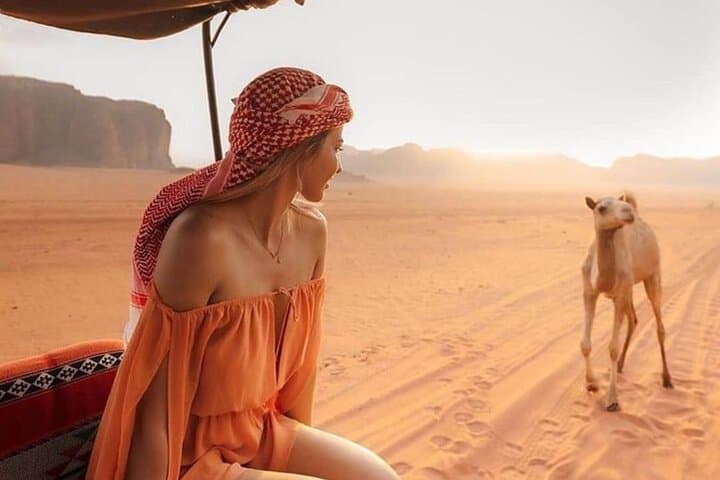
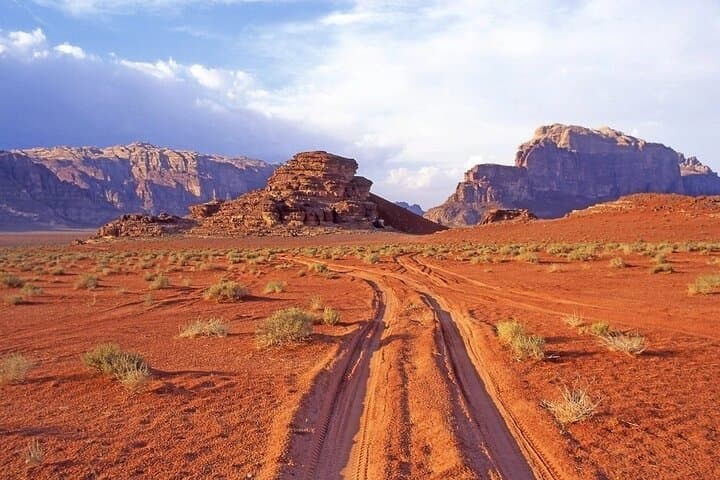
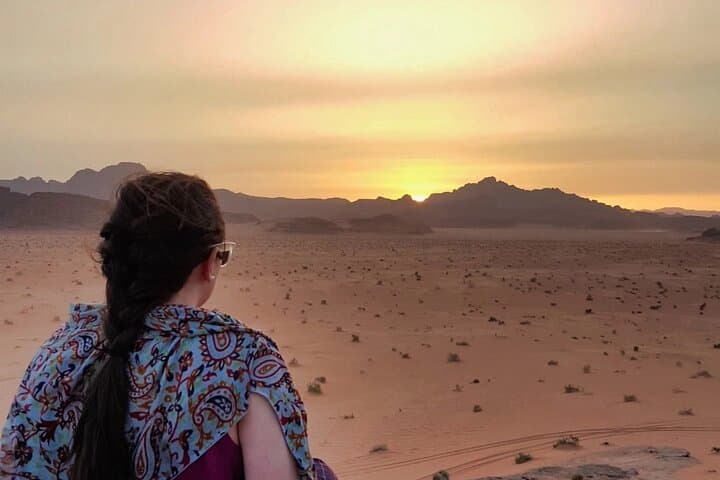
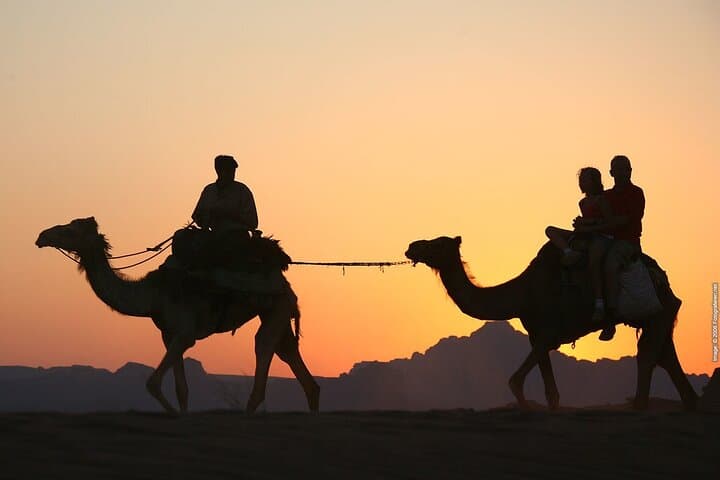
The jeep arrives like a deliberate animal, kicking up a fine red spray that settles across your shoes. A Bedouin guide—coffee in one hand, a radio clipped to his jacket—opens the door and the desert widens. Towering slabs of sandstone and black basalt rise from the sand, their faces scored by wind and centuries of time; camels chew quietly nearby as the team lights a small fire for tea. Over the next seven to eight hours you move through the valley the map calls Wadi Rum, where each stopping point feels like a different planet carved in stone.
The jeep arrives like a deliberate animal, kicking up a fine red spray that settles across your shoes. A Bedouin guide—coffee in one hand, a radio clipped to his jacket—opens the door and the desert widens. Towering slabs of sandstone and black basalt rise from the sand, their faces scored by wind and centuries of time; camels chew quietly nearby as the team lights a small fire for tea. Over the next seven to eight hours you move through the valley the map calls Wadi Rum, where each stopping point feels like a different planet carved in stone.
Wadi Rum’s lines are geological and human. The mountains are primarily Cambrian sandstone capped with basalt, sculpted into arches, bridges and narrow gorges by wind-driven sand. Nabatean and Thamudic inscriptions and pictographs mark the canyons; Lawrence of Arabia’s name is attached to a spring where legend says he washed during the Arab Revolt, and modern Bedouin presence continues the practical, open-handed hospitality travelers notice at the first cup of sweet tea.
The tour follows a practical, curated route: Lawrence’s Spring for the panorama, Khazali Canyon to read ancient carvings, the Red Sand Dunes for a short climb and photos, the Rock Bridge for a sweep of the wadi, and Abu Khashaba Canyon where morning and evening light sets the cliffs aflame. The camel ride is short—an introduction rather than a caravan—and the team serves a freshly cooked Bedouin lunch over coals in a shaded alcove.
Practical guidance: expect 7–8 hours on a private 4x4 with several brief hikes (10–40 minutes each). Wear sturdy closed shoes for loose sand and rocky approaches; sun protection is non-negotiable—wide-brim hat, high-SPF sunscreen, and sunglasses. Hydrate early and often; bottled water is provided but bring a refillable bottle. Layers matter: deserts cool fast after sunset even if the day starts hot. Follow your guide’s route; the guides know soft sand, quick winds, and fragile rock art zones.
Timing matters: sunrise and late afternoon yield the best light for photos and the mildest temperatures. Summer can be brutally hot around midday—plan earlier starts or trust your guide’s shaded breaks. Respect Bedouin customs: ask before photographing people, accept tea graciously, and bring small cash for tips if you enjoyed the service.
Why go: Wadi Rum compresses desert geology, human history and Bedouin culture into a single, immaculately visible landscape. The jeep delivers you efficiently across the plain, the camel offers a low, slow view, and the guides stitch the stops together with stories and practical knowledge. It’s efficient, immersive and, for many, unforgettable.