THE ADVENTURE COLLECTIVE® · Independent discovery and booking for outdoor travel

A 10-day circuit through Albania and Montenegro that pairs UNESCO towns, karst springs and dramatic coastal drives. Expect long scenic transfers, cobbled old towns, and a mix of seaside relaxation and cultural deep-dives.
A 10-day circuit through Albania and Montenegro that pairs UNESCO towns, karst springs and dramatic coastal drives. Expect long scenic transfers, cobbled old towns, and a mix of seaside relaxation and cultural deep-dives.
You step off the minibus into a square that has seen empires change hands and ideologies rise and fall: Tirana’s Scanderbeg Plaza opens like a page of living history. The air smells of coffee and salty Adriatic drift from the west as the guide points out the National History Museum’s mosaic and the mosque’s carved arches—an immediate primer in the contrasts this 10-day route will keep revealing.
Verified experiences and guided adventures in the surrounding area.
Operated by Albania Express Travel · Tirana, Tirana County
You step off the minibus into a square that has seen empires change hands and ideologies rise and fall: Tirana’s Scanderbeg Plaza opens like a page of living history. The air smells of coffee and salty Adriatic drift from the west as the guide points out the National History Museum’s mosaic and the mosque’s carved arches—an immediate primer in the contrasts this 10-day route will keep revealing.
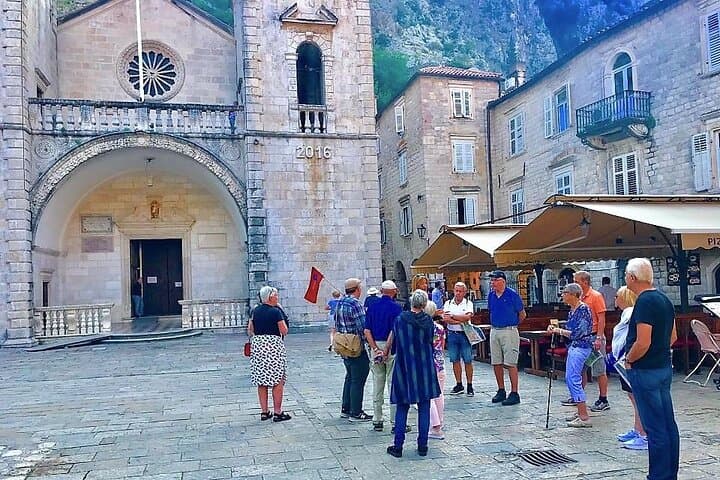
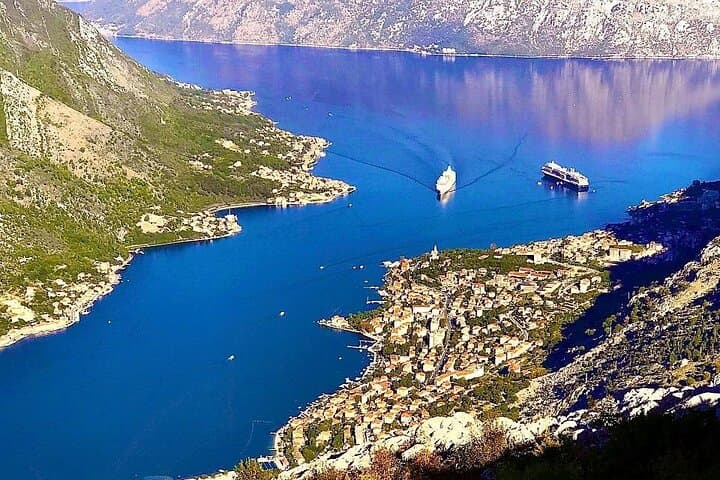
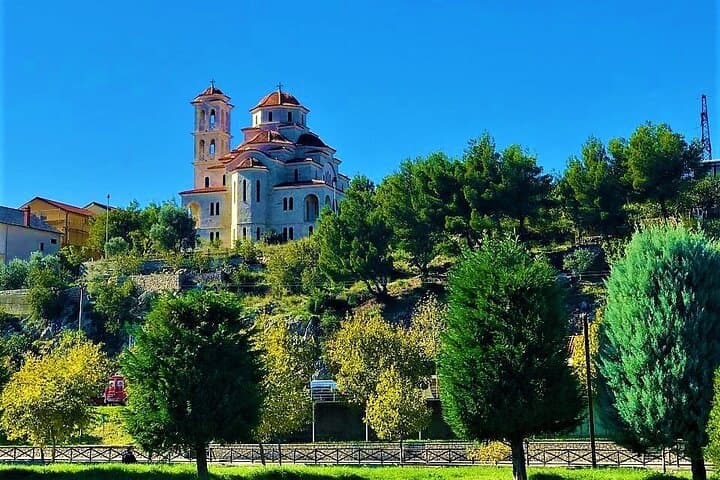
The tour reads like a compact atlas of the Western Balkans. Beginning in Tirana, you follow narrow coastal ribbons that climb Llogara’s pass—where the sea seems to hover below and pines lean into the wind—then drop to the glittering bays of Vlora and Saranda. Ruins at Apollonia and Butrint recall Greek, Roman and Byzantine epochs; the stone houses of Gjirokastër and Berat show Ottoman-era architecture and the centuries-long local craft traditions. Cross into Montenegro for the fjord-like quiet of Boka Kotorska, where Perast’s baroque facades and the man-made islet of Our Lady of the Rocks punctuate the bay.
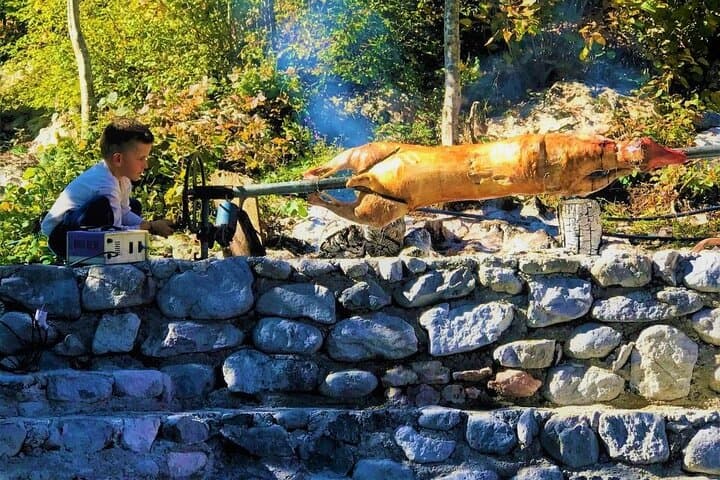
Geology and history are braided here: karst springs create the Blue Eye’s impossible turquoise; limestone cliffs form the Llogara ridgeline; vineyards cling to sloped terraces that once paid tribute to Venetian and Ottoman rulers. Cultural notes arrive as you travel—Njeguši’s smoked ham and cheese tasted at 900 meters, the bazaar stalls of Krujë selling filigreed silver, artisan women in Gjirokastër still practicing handcrafts taught across generations.
Practical realities steer the trip. Expect several full driving days—one day covers about 230 km—so pack for motion and for walking on uneven cobbles in old towns. Border crossings into Montenegro are routine for most nationalities but keep passports handy and allow time for paperwork. Hotels are 3–4 star, and breakfasts are included each day; lunches and dinners are mostly independent, giving room to sample seaside seafood or mountain specialties.
Timing matters: coastal stretches shine in late spring and early fall when heat is gentler and crowds are thinner; summer brings sun-drenched beaches but higher temperatures and peak tourism in Kotor and Budva. Footwear should handle cobbles and short hikes; a light rain shell and layers make sudden mountain winds manageable. Carry small change—markets and some village shops prefer cash—and a phone charger or power bank for long transfers.
On a practical note, the Blue Eye spring is a 50+ meter-deep karst hole—beautiful from the rim but risky to enter—so admire it safely. In towns like Berat and Gjirokastër, allow an hour to climb castle paths and another to explore museums. This itinerary balances road travel with concentrated cultural time: bring curiosity, a comfortable pair of shoes, and a readiness to let the coastline and mountain roads dictate the pace.
easy.
10 days.
Suitable for travelers comfortable with several hours of walking on uneven terrain and multiple half-day drives; minimal uphill hiking required.
Many nationalities can cross without a visa but requirements vary—check your passport’s visa rules before travel and carry it during transfers.
Breakfast is included daily; lunches and dinners are generally independent so you can sample local cuisine.
Expect short to moderate walks around sites and old towns—most days include 1–3 hours of walking interspersed with driving.
The tour is rated easy and accommodates a wide range of fitness levels, but mobility limitations may make some castle climbs and cobbled streets challenging.
Albania uses the lek (ALL); Montenegro widely accepts euros. Have both small notes/coins for markets and tips.
Yes—advance booking questions collect special requirements and guides will help arrange suitable meals when possible.
This route traces layers of Illyrian, Greek, Roman, Byzantine and Ottoman influence; towns like Butrint and Gjirokastër are UNESCO-listed for their historical continuity.
Butrint and Llogara National Park have protected status—stick to marked paths, avoid single-use plastics, and support local conservation initiatives when possible.
Albania Express Travel operates guided outdoor trips and adventures with an emphasis on safety, stewardship, and memorable experiences.
You step off the minibus into a square that has seen empires change hands and ideologies rise and fall: Tirana’s Scanderbeg Plaza opens like a page of living history. The air smells of coffee and salty Adriatic drift from the west as the guide points out the National History Museum’s mosaic and the mosque’s carved arches—an immediate primer in the contrasts this 10-day route will keep revealing.
You step off the minibus into a square that has seen empires change hands and ideologies rise and fall: Tirana’s Scanderbeg Plaza opens like a page of living history. The air smells of coffee and salty Adriatic drift from the west as the guide points out the National History Museum’s mosaic and the mosque’s carved arches—an immediate primer in the contrasts this 10-day route will keep revealing.
The tour reads like a compact atlas of the Western Balkans. Beginning in Tirana, you follow narrow coastal ribbons that climb Llogara’s pass—where the sea seems to hover below and pines lean into the wind—then drop to the glittering bays of Vlora and Saranda. Ruins at Apollonia and Butrint recall Greek, Roman and Byzantine epochs; the stone houses of Gjirokastër and Berat show Ottoman-era architecture and the centuries-long local craft traditions. Cross into Montenegro for the fjord-like quiet of Boka Kotorska, where Perast’s baroque facades and the man-made islet of Our Lady of the Rocks punctuate the bay.
Geology and history are braided here: karst springs create the Blue Eye’s impossible turquoise; limestone cliffs form the Llogara ridgeline; vineyards cling to sloped terraces that once paid tribute to Venetian and Ottoman rulers. Cultural notes arrive as you travel—Njeguši’s smoked ham and cheese tasted at 900 meters, the bazaar stalls of Krujë selling filigreed silver, artisan women in Gjirokastër still practicing handcrafts taught across generations.
Practical realities steer the trip. Expect several full driving days—one day covers about 230 km—so pack for motion and for walking on uneven cobbles in old towns. Border crossings into Montenegro are routine for most nationalities but keep passports handy and allow time for paperwork. Hotels are 3–4 star, and breakfasts are included each day; lunches and dinners are mostly independent, giving room to sample seaside seafood or mountain specialties.
Timing matters: coastal stretches shine in late spring and early fall when heat is gentler and crowds are thinner; summer brings sun-drenched beaches but higher temperatures and peak tourism in Kotor and Budva. Footwear should handle cobbles and short hikes; a light rain shell and layers make sudden mountain winds manageable. Carry small change—markets and some village shops prefer cash—and a phone charger or power bank for long transfers.
On a practical note, the Blue Eye spring is a 50+ meter-deep karst hole—beautiful from the rim but risky to enter—so admire it safely. In towns like Berat and Gjirokastër, allow an hour to climb castle paths and another to explore museums. This itinerary balances road travel with concentrated cultural time: bring curiosity, a comfortable pair of shoes, and a readiness to let the coastline and mountain roads dictate the pace.