THE ADVENTURE COLLECTIVE® · Independent discovery and booking for outdoor travel

A half-day catamaran from Vilamoura takes you along Algarve cliffs to glimpse Benagil’s caves, then drops you on a secluded beach for a crew-cooked barbecue and water toys. Expect calm seas, dramatic limestone formations, and an easy, social beach day accessible only by boat.
A half-day catamaran from Vilamoura takes you along Algarve cliffs to glimpse Benagil’s caves, then drops you on a secluded beach for a crew-cooked barbecue and water toys. Expect calm seas, dramatic limestone formations, and an easy, social beach day accessible only by boat.
The catamaran slips out of Vilamoura Marina with the kind of hush you feel before something uncomplicated and good. Salt air fills the deck as the town's polished yachts fall away and the Algarve coastline unfurls — honey-colored cliffs scarred by caves, narrow arches punched through ancient limestone, and the occasional white spray where waves meet rock. The boat's rumble becomes background, and you trade the harbor hum for gull calls and the slow roaming of the sea.
Verified experiences and guided adventures in the surrounding area.
The catamaran slips out of Vilamoura Marina with the kind of hush you feel before something uncomplicated and good. Salt air fills the deck as the town's polished yachts fall away and the Algarve coastline unfurls — honey-colored cliffs scarred by caves, narrow arches punched through ancient limestone, and the occasional white spray where waves meet rock. The boat's rumble becomes background, and you trade the harbor hum for gull calls and the slow roaming of the sea.
This seven-and-a-half-hour outing pares the coast down to the essentials: coastline sightseeing, a dinghy transfer to a cave edge where the mast height limits deep access, and a landing on a beach that, by land, doesn’t exist. Geologically the Algarve is a playground of karst — soluble limestone carved by millennia of sea and rain. Those same processes created the Benagil cave system you’ll eye from the water: windows and domes that make the cliffs look as if someone has been scoring them for a secret map.
Culturally, the route traces a working coastline. Fishing villages nearby grew into summer resorts, but traditional boats and fish smokehouses remain on side streets if you make time in Vilamoura or nearby Portimão after the cruise. The crew shares the practical side of local life too: how tides open and close the best views, why boats avoid certain caves when swell runs, and the charcoal method behind a beach barbecue built for simplicity and flavor.
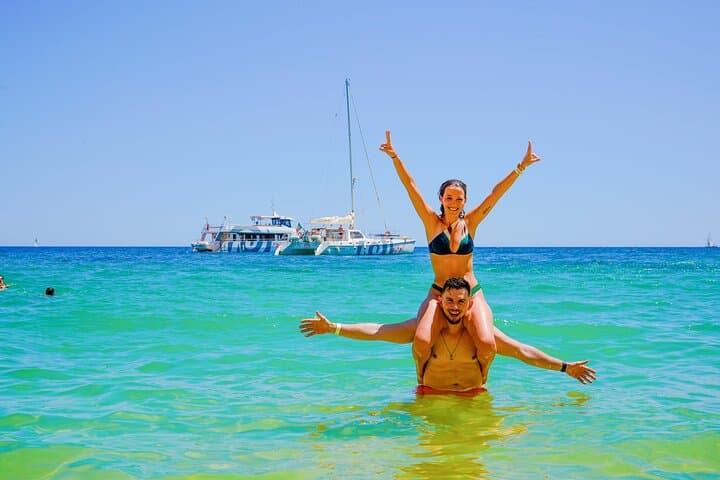
On the beach you get two hours to unwind: swim in translucent water, take a SUP out from shore, or simply lie on sand that the mainland rarely sees. The open bar and the crew’s BBQ take the stress out of logistics; you’re left to choose between playing and resting.
Practical notes: the trip runs several hours on open water, so bring sun protection, motion-sickness remedies if you’re prone, and reef shoes for rocky landings. The dinghy transfer and short beach approach mean boarding assistance is available but require basic mobility. Arrive with a waterproof bag for valuables and a charged phone for photos — the light changes fast along these cliffs.
For travelers who want spectacle without strenuous hiking, this is a tidy compromise: offshore drama with a private-shore payoff. Time it for calm seas and earlier departure for cleaner views of the caves and softer afternoon light on the BBQ beach. Leave only footprints, because these small shorelines are fragile and worth preserving.
moderate.
7–8 hours.
Suitable for travelers with basic fitness who can manage short boarding steps and standing on deck for stretches
No — the catamaran’s 20m mast height and commercial safety rules restrict full entry; you’ll see the caves from the water and transfer to a dinghy for closer but limited approaches.
Yes — most operators offer vegetarian options if requested at booking; notify them ahead of time to ensure availability.
Stand-up paddleboards and basic beach games are usually provided; advanced rentals or instruction may cost extra.
Yes — families are welcome but children must be supervised during transfers and on the beach; confirm age policies when booking.
If conditions are unsafe the operator may alter the route or cancel for safety with the option of a refund or rescheduling; they monitor weather and swell closely.
Tipping the crew is customary for good service — 5–10% of the trip cost is a practical guideline, in cash if possible.
The Algarve’s limestone coast was shaped by millennia of sea erosion; fishing and salt production dominated local economies before tourism reshaped the shoreline.
High visitor numbers pressure fragile cliffs and small beaches—follow crew guidance, avoid climbing on formations, and pack out all waste to protect these shorelines.
The catamaran slips out of Vilamoura Marina with the kind of hush you feel before something uncomplicated and good. Salt air fills the deck as the town's polished yachts fall away and the Algarve coastline unfurls — honey-colored cliffs scarred by caves, narrow arches punched through ancient limestone, and the occasional white spray where waves meet rock. The boat's rumble becomes background, and you trade the harbor hum for gull calls and the slow roaming of the sea.
The catamaran slips out of Vilamoura Marina with the kind of hush you feel before something uncomplicated and good. Salt air fills the deck as the town's polished yachts fall away and the Algarve coastline unfurls — honey-colored cliffs scarred by caves, narrow arches punched through ancient limestone, and the occasional white spray where waves meet rock. The boat's rumble becomes background, and you trade the harbor hum for gull calls and the slow roaming of the sea.
This seven-and-a-half-hour outing pares the coast down to the essentials: coastline sightseeing, a dinghy transfer to a cave edge where the mast height limits deep access, and a landing on a beach that, by land, doesn’t exist. Geologically the Algarve is a playground of karst — soluble limestone carved by millennia of sea and rain. Those same processes created the Benagil cave system you’ll eye from the water: windows and domes that make the cliffs look as if someone has been scoring them for a secret map.
Culturally, the route traces a working coastline. Fishing villages nearby grew into summer resorts, but traditional boats and fish smokehouses remain on side streets if you make time in Vilamoura or nearby Portimão after the cruise. The crew shares the practical side of local life too: how tides open and close the best views, why boats avoid certain caves when swell runs, and the charcoal method behind a beach barbecue built for simplicity and flavor.
On the beach you get two hours to unwind: swim in translucent water, take a SUP out from shore, or simply lie on sand that the mainland rarely sees. The open bar and the crew’s BBQ take the stress out of logistics; you’re left to choose between playing and resting.
Practical notes: the trip runs several hours on open water, so bring sun protection, motion-sickness remedies if you’re prone, and reef shoes for rocky landings. The dinghy transfer and short beach approach mean boarding assistance is available but require basic mobility. Arrive with a waterproof bag for valuables and a charged phone for photos — the light changes fast along these cliffs.
For travelers who want spectacle without strenuous hiking, this is a tidy compromise: offshore drama with a private-shore payoff. Time it for calm seas and earlier departure for cleaner views of the caves and softer afternoon light on the BBQ beach. Leave only footprints, because these small shorelines are fragile and worth preserving.