THE ADVENTURE COLLECTIVE® · Independent discovery and booking for outdoor travel

Cross borders in comfort and spend a day tracing Budapest’s two-faced charm: Buda’s castle terraces and Pest’s grand boulevards. This private Vienna-to-Budapest day trip pairs local insight with practical logistics—perfect for travelers short on time.
Cross borders in comfort and spend a day tracing Budapest’s two-faced charm: Buda’s castle terraces and Pest’s grand boulevards. This private Vienna-to-Budapest day trip pairs local insight with practical logistics—perfect for travelers short on time.
The van eases out of Vienna before dawn, headlights drawing a ribbon across the flat Hungarian plain. Two hours and a softening of the skyline later the Danube appears—silver and impatient—threading past Budapest like a city that refuses to be contained. On Gellért Hill the river and the city spread beneath you; sunlight slides along neo-Gothic spires and the green copper of the Parliament until the whole place looks like a postcard that still surprises.
Verified experiences and guided adventures in the surrounding area.
Operated by Vienna a la carte Reisebuero GmbH · Vienna, Vienna
The van eases out of Vienna before dawn, headlights drawing a ribbon across the flat Hungarian plain. Two hours and a softening of the skyline later the Danube appears—silver and impatient—threading past Budapest like a city that refuses to be contained. On Gellért Hill the river and the city spread beneath you; sunlight slides along neo-Gothic spires and the green copper of the Parliament until the whole place looks like a postcard that still surprises.
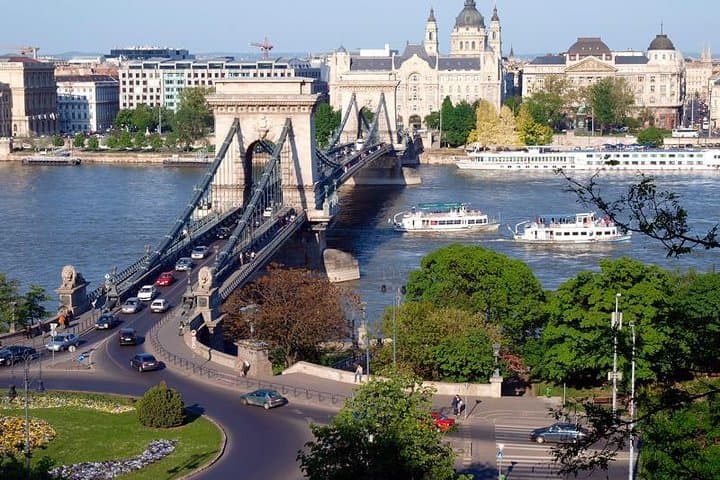
Budapest is a city of two geographies and many eras. Buda, perched on limestone bluffs, was the seat of medieval kings; its castle precincts and Matthias Church point to fortification, reclamation and reconstruction. Across the Chain Bridge, Pest tells a different story: Ring roads and broad avenues born of the fin-de-siècle optimism that followed the 1873 unification. Beneath the pomp are older layers—Roman outposts, Ottoman baths and thermal springs that have shaped local life for centuries.
Geology here matters: Gellért’s limestone caves and the thermal upwellings under Pest produce not only the famous baths but a topography of hills and terraces that reward short, focused walks. Cultural cues come fast—street vendors selling chimney cake and the low hum of cafés where espresso competes with the scent of paprika-rich goulash.
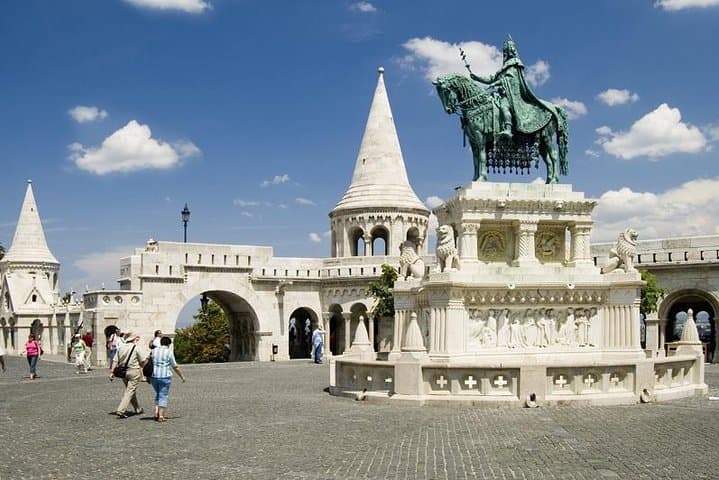
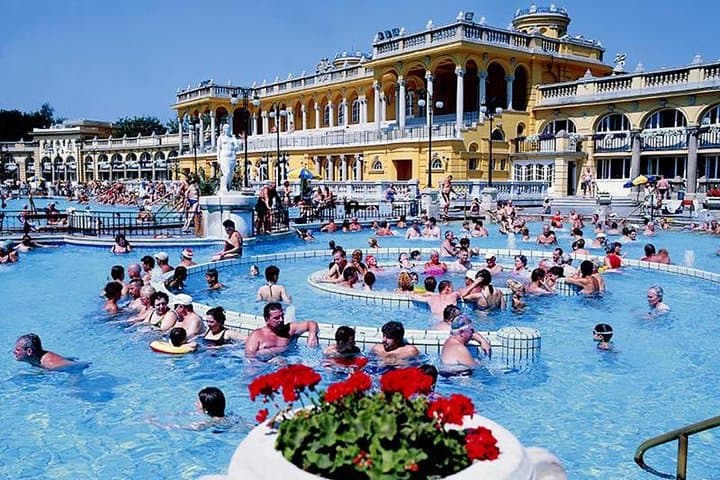
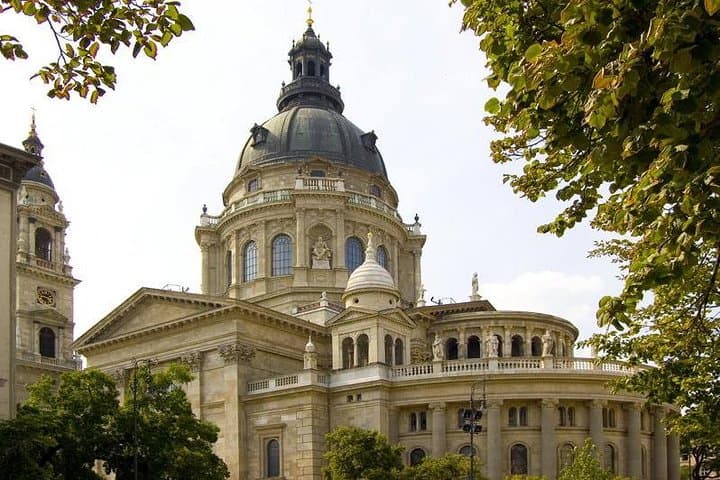
This private day trip from Vienna compresses those themes into a single, practical loop. A friendly driver collects you from your hotel around 07:30, a coffee stop breaks the motorway rhythm, then a local guide meets you in Budapest for a three-hour highlights tour—Gellért Hill viewpoints, Buda Castle District, Fisherman’s Bastion, St. Stephen’s Basilica, and a drive-by of the Parliament and Heroes’ Square. You’ll have roughly three hours’ free time in Pest to eat, shop, or soak in the Gellért Bath (entrance not included) before returning to Vienna by evening.
Practical edge: bring a current passport for the border crossing, comfortable shoes for uneven cobbles and castle steps, and a small amount of Hungarian forints (though many places accept cards and euros). If you plan to use the baths, pack a swimsuit and towel—or check with your guide for on-site rental options. Timing is tight; prioritize two or three must-see stops so your free time is restful rather than rushed.
For travelers who want history and skyline in a single day, this trip delivers a concentrated, accessible introduction to Budapest’s layered identity while leaving enough autonomy to make the day your own.
easy.
Approximately 12 hours.
Suitable for travelers of average fitness; involves urban walking with short stair climbs
Most EU and many non-EU nationals can enter Hungary without a special visa for short stays, but check your country's entry requirements ahead of travel.
Transportation and many public areas are accessible, but some historic sites in the Castle District have uneven surfaces and limited accessibility—contact the supplier to arrange specifics.
No—lunch and thermal-bath admissions are not included; your guide can recommend and reserve restaurants in Pest.
About three hours in the afternoon for shopping, exploring, or visiting a thermal bath before the return to Vienna.
This is a private tour, so the guide and driver can often adjust stops and pacing—confirm special requests when booking or via the supplier's contact options.
The main offering includes an English-speaking local expert; check availability for other languages when booking.
Buda and Pest were separate cities until their 1873 unification; the resulting architectural boom in Pest created many of the grand avenues and public buildings seen today.
Budapest manages thermal-bath tourism carefully to protect its geothermal resources; visitors should follow bathhouse rules and avoid introducing soaps or oils into thermal pools.
Vienna a la carte Reisebuero GmbH operates guided outdoor trips and adventures with an emphasis on safety, stewardship, and memorable experiences.
The van eases out of Vienna before dawn, headlights drawing a ribbon across the flat Hungarian plain. Two hours and a softening of the skyline later the Danube appears—silver and impatient—threading past Budapest like a city that refuses to be contained. On Gellért Hill the river and the city spread beneath you; sunlight slides along neo-Gothic spires and the green copper of the Parliament until the whole place looks like a postcard that still surprises.
The van eases out of Vienna before dawn, headlights drawing a ribbon across the flat Hungarian plain. Two hours and a softening of the skyline later the Danube appears—silver and impatient—threading past Budapest like a city that refuses to be contained. On Gellért Hill the river and the city spread beneath you; sunlight slides along neo-Gothic spires and the green copper of the Parliament until the whole place looks like a postcard that still surprises.
Budapest is a city of two geographies and many eras. Buda, perched on limestone bluffs, was the seat of medieval kings; its castle precincts and Matthias Church point to fortification, reclamation and reconstruction. Across the Chain Bridge, Pest tells a different story: Ring roads and broad avenues born of the fin-de-siècle optimism that followed the 1873 unification. Beneath the pomp are older layers—Roman outposts, Ottoman baths and thermal springs that have shaped local life for centuries.
Geology here matters: Gellért’s limestone caves and the thermal upwellings under Pest produce not only the famous baths but a topography of hills and terraces that reward short, focused walks. Cultural cues come fast—street vendors selling chimney cake and the low hum of cafés where espresso competes with the scent of paprika-rich goulash.
This private day trip from Vienna compresses those themes into a single, practical loop. A friendly driver collects you from your hotel around 07:30, a coffee stop breaks the motorway rhythm, then a local guide meets you in Budapest for a three-hour highlights tour—Gellért Hill viewpoints, Buda Castle District, Fisherman’s Bastion, St. Stephen’s Basilica, and a drive-by of the Parliament and Heroes’ Square. You’ll have roughly three hours’ free time in Pest to eat, shop, or soak in the Gellért Bath (entrance not included) before returning to Vienna by evening.
Practical edge: bring a current passport for the border crossing, comfortable shoes for uneven cobbles and castle steps, and a small amount of Hungarian forints (though many places accept cards and euros). If you plan to use the baths, pack a swimsuit and towel—or check with your guide for on-site rental options. Timing is tight; prioritize two or three must-see stops so your free time is restful rather than rushed.
For travelers who want history and skyline in a single day, this trip delivers a concentrated, accessible introduction to Budapest’s layered identity while leaving enough autonomy to make the day your own.