THE ADVENTURE COLLECTIVE® · Independent discovery and booking for outdoor travel

Glide across the lagoon by private water taxi to watch Murano glassmasters shape molten art and stroll Burano’s painted streets while a lacemaker threads centuries of technique. This four-hour tour pairs close-up craft demonstrations with relaxed island exploration.
Glide across the lagoon by private water taxi to watch Murano glassmasters shape molten art and stroll Burano’s painted streets while a lacemaker threads centuries of technique. This four-hour tour pairs close-up craft demonstrations with relaxed island exploration.
Book with Venice Events srl
Book directly with Venice Events srl for the best rates and real-time scheduling.
Reserve NowVerified experiences and guided adventures in the surrounding area.
Operated by Venice Events srl · Venice, Veneto
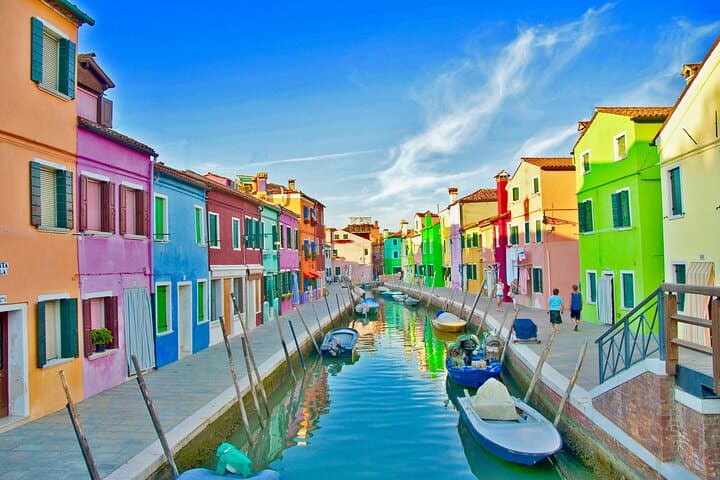
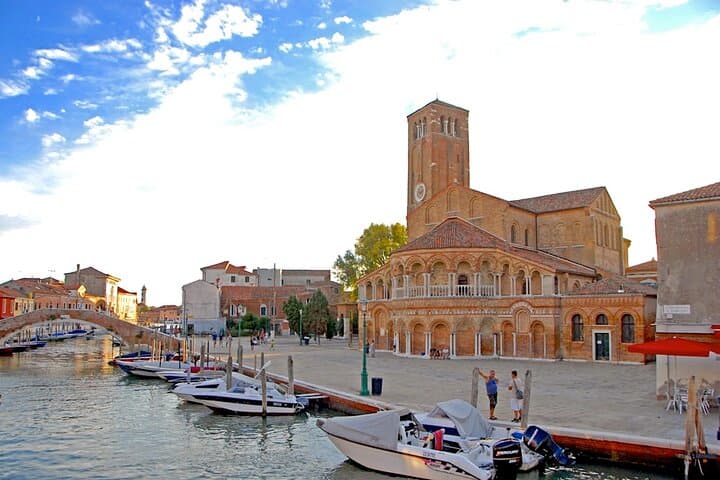
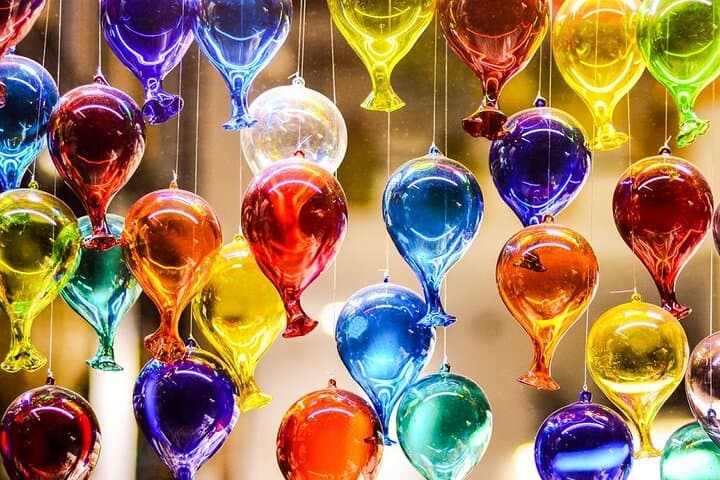
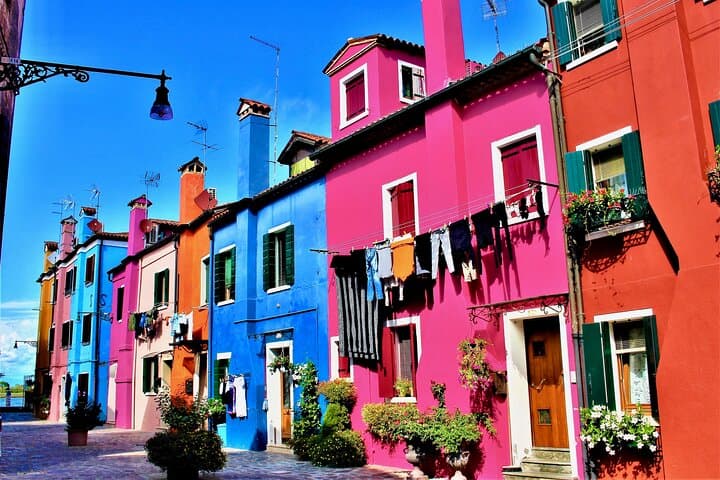
A low-slung varnished water taxi cuts through the pale-green of the Venetian lagoon as chimneys and church towers shrink behind you. You step ashore on Murano where heat from the furnace and the rhythm of the blowpipe pull your attention: a glass master turns molten color into a vase before your eyes. The guide threads history and technique into the demonstration—how glassmakers were moved here in the 13th century to protect Venice’s wooden city from furnace fires, and how a handful of family workshops still guard centuries-old methods. Later the boat nudges toward Burano, whose painted facades dare you to look closer. The island’s fishing nets dry on low lines, and a lacemaker bends over a pillow of bobbins, her hands stitching patterns taught across generations. Geology and culture meet in the lagoon: shallow silty flats that slow tides, islands built from timber piles, and communities shaped by salt, wind and trade. Expect narrow alleys, low bridges, and waterfront cafés where fish and polenta are still staples. Practical guidance: meet at St. Mark’s Square 15 minutes early for a private water taxi; tours typically run four hours and include transfers. Wear comfortable shoes for cobbled alleys and bring sunscreen and a light wind layer—the lagoon can be breezy. Cash is useful for small artisan shops and tipping demonstrators. Respect working spaces in glassworks and lace studios: photography is often allowed but ask before filming close-up work.
easy.
4 hours.
Suitable for most fitness levels—requires walking short distances and stepping on/off water taxis
Guided visits and demonstrations are included, but purchases or optional museum entries may require additional payment.
The itinerary notes stroller access for infants; however, boarding water taxis and moving around island bridges may be difficult—contact the operator to discuss mobility needs.
Yes—guides are available in English, Italian, French, German or Spanish as listed; confirm language when booking.
Yes—the schedule includes time on each island for independent exploration and photography, but be mindful of working areas where close-up photos may be restricted.
Murano became a glassmaking center after Venetian authorities moved furnaces off the main island in the 13th century; Burano’s colorful houses and lacemaking grew from its fishing heritage and island craft culture.
The Venetian lagoon is ecologically sensitive—avoid littering, follow local guidance about boat wake near shallow areas, and support artisan shops that use sustainable sourcing.
Venice Events srl operates guided outdoor trips and adventures with an emphasis on safety, stewardship, and memorable experiences.
Book with Venice Events srl
Book directly with Venice Events srl for the best rates and real-time scheduling.
Reserve Now