THE ADVENTURE COLLECTIVE® · Independent discovery and booking for outdoor travel

Spend a full day wandering Valldemossa’s cobbled lanes, riding the vintage tram through orange groves and pausing at Port de Soller. This guided tour through the Serra de Tramuntana pairs intimate cultural stops with dramatic coastal geology.
Spend a full day wandering Valldemossa’s cobbled lanes, riding the vintage tram through orange groves and pausing at Port de Soller. This guided tour through the Serra de Tramuntana pairs intimate cultural stops with dramatic coastal geology.
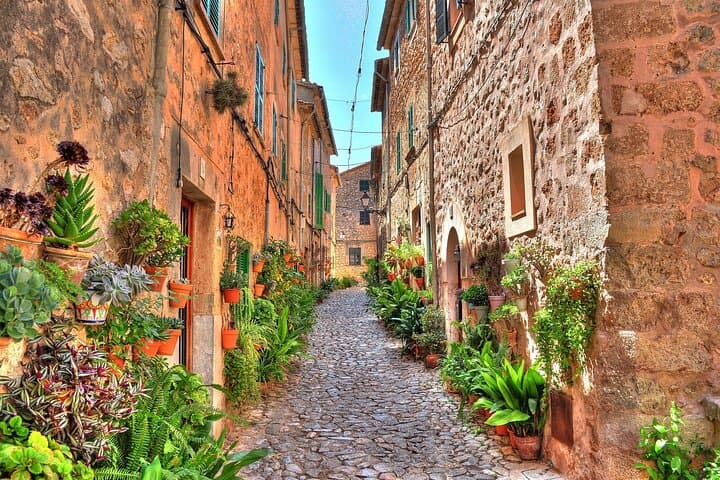
You step off the air-conditioned coach and into a cool ribbon of shade where cobbles slope toward a single church spire. Morning light slices across the stone façades of Valldemossa, and the town seems to hold its breath—quiet cafés, a clutch of almond trees, and the faint scent of baking. The guide lets the group loose with a few suggested routes, then fades into the background; this is a day meant to be read slowly, by tram, foot, and terrace.
Verified experiences and guided adventures in the surrounding area.
Operated by Nofrills Excursions · Valldemossa, Balearic Islands
You step off the air-conditioned coach and into a cool ribbon of shade where cobbles slope toward a single church spire. Morning light slices across the stone façades of Valldemossa, and the town seems to hold its breath—quiet cafés, a clutch of almond trees, and the faint scent of baking. The guide lets the group loose with a few suggested routes, then fades into the background; this is a day meant to be read slowly, by tram, foot, and terrace.
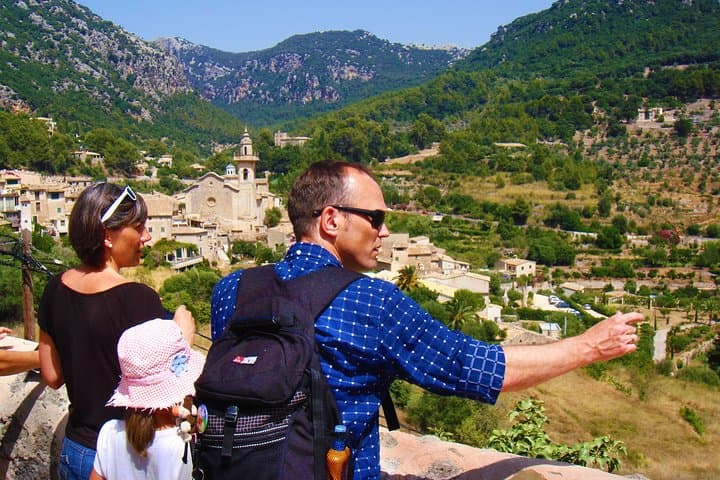
The route threads the Serra de Tramuntana, a limestone spine that runs along Mallorca’s northwest coast and earned UNESCO World Heritage status for its agricultural terraces, dry-stone walls, and human-made landscape. Valldemossa itself carries a literary and musical footprint: a 14th-century Carthusian monastery, a cell once occupied by Chopin and George Sand, and narrow lanes that reveal 18th-century stone houses and unexpected courtyards.
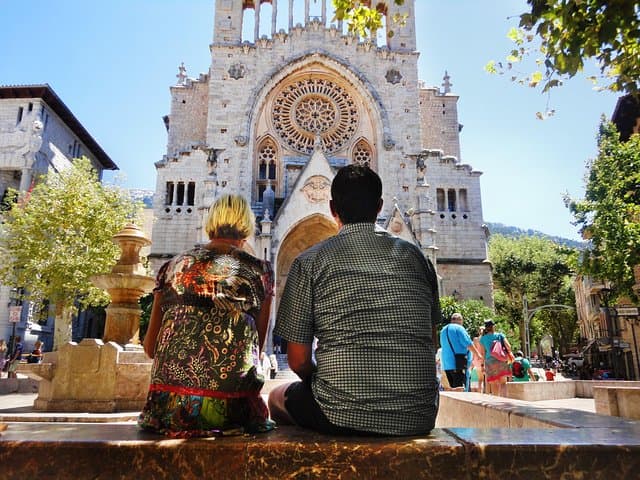
From Valldemossa the coach climbs. Dramatic cliffs give way to vistas of terraced oranges and olives; the road curves past Deia and Llucalcari—photographers note the blue flashes of coves below. The descent into the Soller valley opens into a green bowl, citrus trees arranged like an orchard-city, their leaves catching the breeze and scattering scent. Soller’s modernist train station and the square with its carved church façade offer a compact mix of Catalan influence and island vernacular.
An included tram ride completes the day: a short, old-fashioned tram links Soller to its natural port where fishermen still mend nets and cafés spill onto the promenade. Port de Soller’s low, sheltered bay provides a lull before the return trip; the sea, when it’s calm, reflects color more faithfully than any photograph.
Practical notes: the tour runs about eight hours and moves at a relaxed pace with roughly 90 minutes in Valldemossa and Soller each, plus a short tram leg and time at the port. Expect cobblestones and uneven streets—good shoes matter more than formal attire. Entrances to attractions such as the monastery or Chopin’s house are not included, so budget for museum tickets if you want deeper access. The tour is family-friendly and accessible by public transport to the meeting point, but pickups may be offered from northern resorts.
For photography, aim for early morning light in Valldemossa and late afternoon at Sa Foradada viewpoint if the itinerary allows. Bring sunscreen and a light layer; mountain weather shifts quickly. Above all, leave room in your schedule for a slow coffee and an orange ice cream in Soller—simple rituals that reveal why this day in Mallorca lingers long after you’ve returned to the mainland.
moderate.
8 hours.
Light fitness: able to walk up to 2 hours total over the day on cobbles and short inclines; mostly low-impact
The historic tram ride takes about 25 minutes each way and is included in the tour price.
No—entrances to places like the Carthusian Monastery or Chopin’s house are not included; plan to buy tickets on site if you wish to enter.
Yes; the tour is family-friendly. Infants may need to sit on a parent’s lap on transport and strollers are generally usable in town but cobbles can be bumpy.
The standard meeting point is outside the Mallorca Outlet information centre near Palma; pickups may be available from selected northern resorts—confirm with the operator.
You can—contact the operator in advance to arrange pickup from many resorts or head to the meeting point by public transport.
Itineraries may be adjusted for safety or comfort in poor weather; the tour is usually not cancelled for light rain, but check cancellation rules for refunds.
The Serra de Tramuntana reflects centuries of terraced agriculture and dry-stone engineering; Valldemossa’s Carthusian monastery gained fame when Chopin spent a winter here in 1838–39.
The Tramuntana is a UNESCO site; visitors are encouraged to stick to paths, avoid disturbing orchards, and support local businesses to keep tourism sustainable.
Nofrills Excursions operates guided outdoor trips and adventures with an emphasis on safety, stewardship, and memorable experiences.
You step off the air-conditioned coach and into a cool ribbon of shade where cobbles slope toward a single church spire. Morning light slices across the stone façades of Valldemossa, and the town seems to hold its breath—quiet cafés, a clutch of almond trees, and the faint scent of baking. The guide lets the group loose with a few suggested routes, then fades into the background; this is a day meant to be read slowly, by tram, foot, and terrace.
You step off the air-conditioned coach and into a cool ribbon of shade where cobbles slope toward a single church spire. Morning light slices across the stone façades of Valldemossa, and the town seems to hold its breath—quiet cafés, a clutch of almond trees, and the faint scent of baking. The guide lets the group loose with a few suggested routes, then fades into the background; this is a day meant to be read slowly, by tram, foot, and terrace.
The route threads the Serra de Tramuntana, a limestone spine that runs along Mallorca’s northwest coast and earned UNESCO World Heritage status for its agricultural terraces, dry-stone walls, and human-made landscape. Valldemossa itself carries a literary and musical footprint: a 14th-century Carthusian monastery, a cell once occupied by Chopin and George Sand, and narrow lanes that reveal 18th-century stone houses and unexpected courtyards.
From Valldemossa the coach climbs. Dramatic cliffs give way to vistas of terraced oranges and olives; the road curves past Deia and Llucalcari—photographers note the blue flashes of coves below. The descent into the Soller valley opens into a green bowl, citrus trees arranged like an orchard-city, their leaves catching the breeze and scattering scent. Soller’s modernist train station and the square with its carved church façade offer a compact mix of Catalan influence and island vernacular.
An included tram ride completes the day: a short, old-fashioned tram links Soller to its natural port where fishermen still mend nets and cafés spill onto the promenade. Port de Soller’s low, sheltered bay provides a lull before the return trip; the sea, when it’s calm, reflects color more faithfully than any photograph.
Practical notes: the tour runs about eight hours and moves at a relaxed pace with roughly 90 minutes in Valldemossa and Soller each, plus a short tram leg and time at the port. Expect cobblestones and uneven streets—good shoes matter more than formal attire. Entrances to attractions such as the monastery or Chopin’s house are not included, so budget for museum tickets if you want deeper access. The tour is family-friendly and accessible by public transport to the meeting point, but pickups may be offered from northern resorts.
For photography, aim for early morning light in Valldemossa and late afternoon at Sa Foradada viewpoint if the itinerary allows. Bring sunscreen and a light layer; mountain weather shifts quickly. Above all, leave room in your schedule for a slow coffee and an orange ice cream in Soller—simple rituals that reveal why this day in Mallorca lingers long after you’ve returned to the mainland.