THE ADVENTURE COLLECTIVE® · Independent discovery and booking for outdoor travel

Walk the working harbor of Cape Town, explore maritime museums and climb into Table Mountain’s views on a full-day private tour of the V&A Waterfront and historic city. Includes lunch, bottled water and admissions to key sites.
Walk the working harbor of Cape Town, explore maritime museums and climb into Table Mountain’s views on a full-day private tour of the V&A Waterfront and historic city. Includes lunch, bottled water and admissions to key sites.
You step off the shaded pavement and the harbor announces itself: gulls wheel, cranes puncture the skyline and the Atlantic pushes a cool, briny breath across the V&A Waterfront. The boardwalk hums with vendors, glass-fronted shops and the low thrum of ferries; beyond them Table Mountain rises like a flat-topped ruler, keeping time with the city. This is a day of contrasts — maritime bustle, museum quiet, and a steep climb into South Africa’s layered past.
Verified experiences and guided adventures in the surrounding area.
Operated by Elle Private Tours & Airport Transfers · Cape Town, Western Cape
You step off the shaded pavement and the harbor announces itself: gulls wheel, cranes puncture the skyline and the Atlantic pushes a cool, briny breath across the V&A Waterfront. The boardwalk hums with vendors, glass-fronted shops and the low thrum of ferries; beyond them Table Mountain rises like a flat-topped ruler, keeping time with the city. This is a day of contrasts — maritime bustle, museum quiet, and a steep climb into South Africa’s layered past.
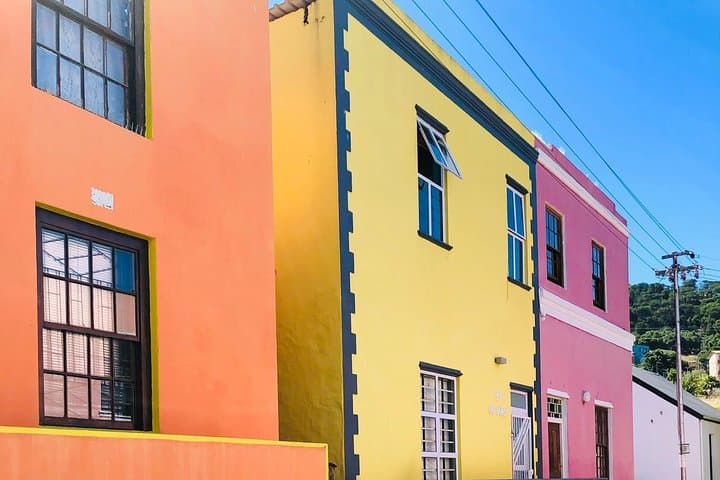
The V&A — named for Queen Victoria and her son Prince Alfred — began as a working harbor in the 1860s. Today it’s equal parts commercial pier and cultural showcase, a place where the Two Oceans Aquarium compresses ocean horizons into glass tanks and the Chavonnes Battery reveals 18th-century coastal defenses. The tour moves from the waterfront’s modern promenades into the city’s older quarters, passing sites shaped by colonial trade, apartheid-era security architecture and the resilient cultures that gave the neighborhoods their color and cadence.
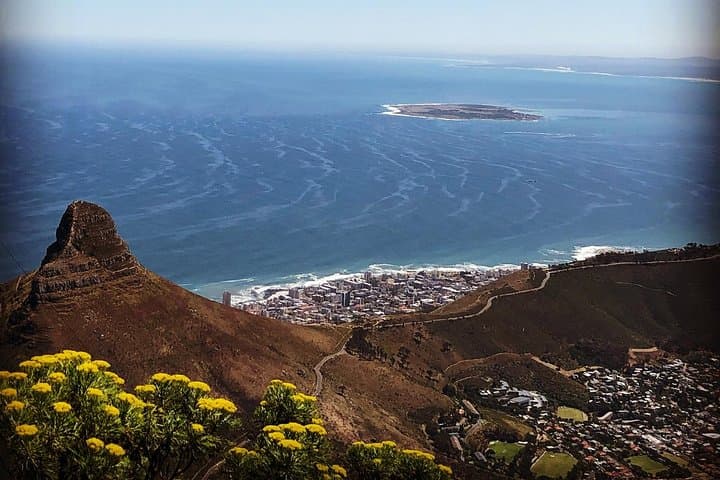
Geology sets the scene: the granite backbone of Table Mountain, formed half a billion years ago, fences the city and shapes local weather — those afternoon cape winds that tumble down the slopes and cool the harbor. Culture arrives in the markets and cafés: Xhosa and Afrikaans influences in language and food, Indian Ocean spice in curries, and platefuls of fresh hake on local menus. History is never far — exhibits that examine imprisonment and struggle sit beside maritime artifacts and seafood markets, so the tour is as much a primer on South Africa as a canal-side stroll.
Practical guidance matters. This is a full-day private tour (roughly 12 hours) that includes bottled water, lunch and an air-conditioned vehicle for transfers; admissions to featured venues are included. Wear comfortable walking shoes and layers — mornings can be calm and sunny, afternoons windy. Bring ID or passport details (required for booking), and be ready for moderate walking on cobblestones and boardwalks. If you want the shot of Table Mountain with the harbor in the foreground, time your visit for late afternoon when shadows lengthen and tourist crowds thin.
Local operators emphasize sustainable tourism: stick to marked paths, support local businesses and avoid feeding seabirds. The tour’s pace lets you linger in museums and markets, or step aside to watch fishermen mending nets. For first-time visitors, it’s an efficient way to connect the dots between Cape Town’s natural drama and its human stories — a city that keeps moving, inviting you to walk along with it.
moderate.
12 hours.
Moderate fitness—able to walk 6–10 kilometers over varied, mostly paved terrain with intermittent stairs.
This is a full-day private tour of approximately 12 hours, including transport, lunch and venue admissions.
Yes—entries listed in the itinerary, such as the aquarium and selected museums, are included in the tour price.
Pickup can be arranged; the operator will confirm pickup details after booking and may collect you from the airport or central hotels.
Yes—stroller access is noted; infants and small children can be accommodated, though some walking areas have cobbles and steps.
Language options depend on the guide assigned; confirm specific language needs when booking to ensure availability.
Full refunds are available if you cancel at least 24 hours before the scheduled departure; no refund within 24 hours.
The V&A was developed in the late 19th century as Cape Town’s principal commercial harbor; the area later evolved into a cultural and retail precinct alongside historic military and maritime sites.
Support local conservation initiatives by using refillable bottles, staying on paths and choosing operators that fund marine and heritage preservation.
Elle Private Tours & Airport Transfers operates guided outdoor trips and adventures with an emphasis on safety, stewardship, and memorable experiences.
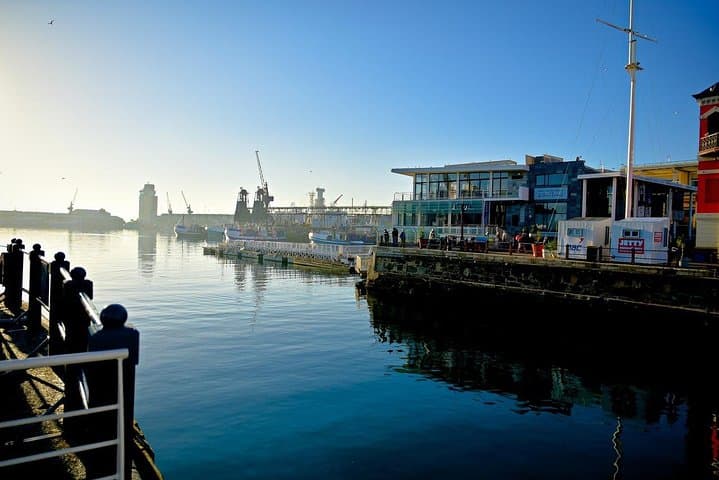
You step off the shaded pavement and the harbor announces itself: gulls wheel, cranes puncture the skyline and the Atlantic pushes a cool, briny breath across the V&A Waterfront. The boardwalk hums with vendors, glass-fronted shops and the low thrum of ferries; beyond them Table Mountain rises like a flat-topped ruler, keeping time with the city. This is a day of contrasts — maritime bustle, museum quiet, and a steep climb into South Africa’s layered past.
You step off the shaded pavement and the harbor announces itself: gulls wheel, cranes puncture the skyline and the Atlantic pushes a cool, briny breath across the V&A Waterfront. The boardwalk hums with vendors, glass-fronted shops and the low thrum of ferries; beyond them Table Mountain rises like a flat-topped ruler, keeping time with the city. This is a day of contrasts — maritime bustle, museum quiet, and a steep climb into South Africa’s layered past.
The V&A — named for Queen Victoria and her son Prince Alfred — began as a working harbor in the 1860s. Today it’s equal parts commercial pier and cultural showcase, a place where the Two Oceans Aquarium compresses ocean horizons into glass tanks and the Chavonnes Battery reveals 18th-century coastal defenses. The tour moves from the waterfront’s modern promenades into the city’s older quarters, passing sites shaped by colonial trade, apartheid-era security architecture and the resilient cultures that gave the neighborhoods their color and cadence.
Geology sets the scene: the granite backbone of Table Mountain, formed half a billion years ago, fences the city and shapes local weather — those afternoon cape winds that tumble down the slopes and cool the harbor. Culture arrives in the markets and cafés: Xhosa and Afrikaans influences in language and food, Indian Ocean spice in curries, and platefuls of fresh hake on local menus. History is never far — exhibits that examine imprisonment and struggle sit beside maritime artifacts and seafood markets, so the tour is as much a primer on South Africa as a canal-side stroll.
Practical guidance matters. This is a full-day private tour (roughly 12 hours) that includes bottled water, lunch and an air-conditioned vehicle for transfers; admissions to featured venues are included. Wear comfortable walking shoes and layers — mornings can be calm and sunny, afternoons windy. Bring ID or passport details (required for booking), and be ready for moderate walking on cobblestones and boardwalks. If you want the shot of Table Mountain with the harbor in the foreground, time your visit for late afternoon when shadows lengthen and tourist crowds thin.
Local operators emphasize sustainable tourism: stick to marked paths, support local businesses and avoid feeding seabirds. The tour’s pace lets you linger in museums and markets, or step aside to watch fishermen mending nets. For first-time visitors, it’s an efficient way to connect the dots between Cape Town’s natural drama and its human stories — a city that keeps moving, inviting you to walk along with it.