THE ADVENTURE COLLECTIVE® · Independent discovery and booking for outdoor travel

Cross the storied Usui Pass on a guided five-hour walk that traces the Nakasendō’s most testing stretch. Experience kamishibai storytelling, Edo attire, shrine visits and bento featuring Tōge no Chikara mochi as you follow the footsteps of travelers and samurai.
Cross the storied Usui Pass on a guided five-hour walk that traces the Nakasendō’s most testing stretch. Experience kamishibai storytelling, Edo attire, shrine visits and bento featuring Tōge no Chikara mochi as you follow the footsteps of travelers and samurai.
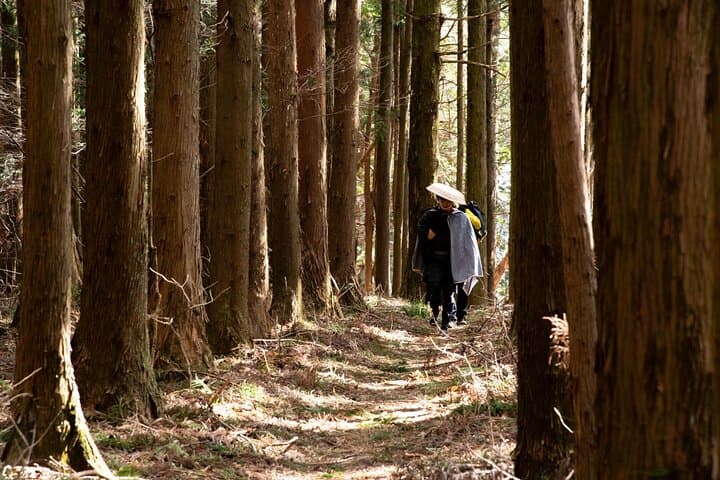
The trail opens with wind through cedar trunks and the distant silhouette of Mt. Myōgi daring you to look back at where you came from.
You stand on Usui Pass between Nagano and Gunma, dressed in an Edo traveler’s raincoat and sedge hat, stepping where merchants and samurai once tested the route’s steep grades. The guide spreads kamishibai picture cards and the past becomes a moving frame: checkpoints, post towns and the strict Usui Sekisho that policed movement in the shogunate era.
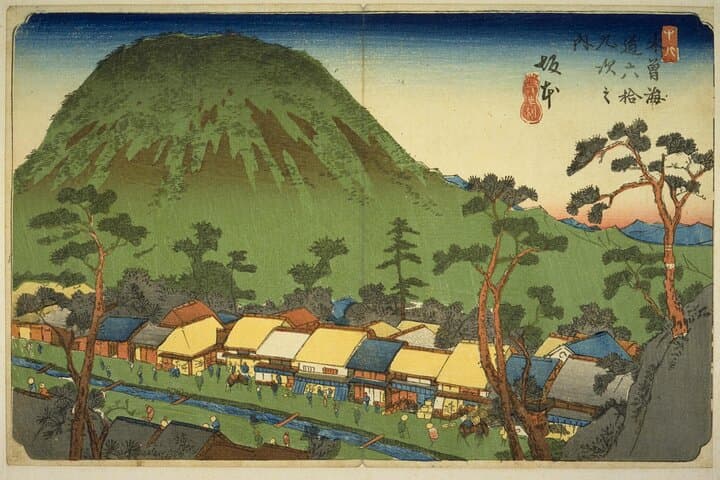
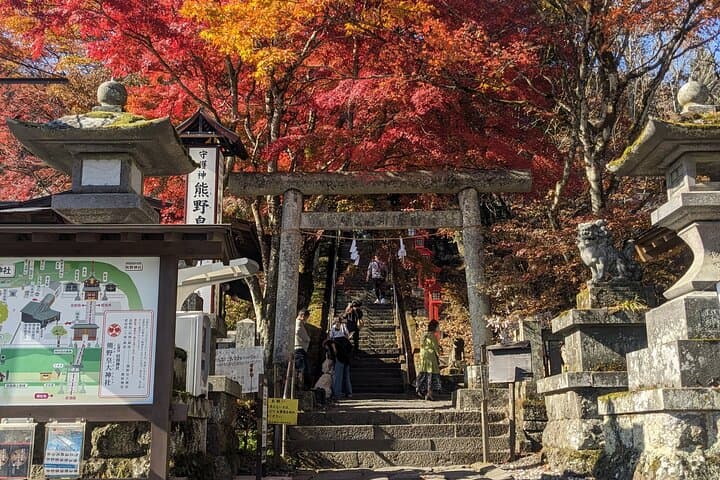
Geology here is compact—ancient metamorphic ridges and weathered granite shaping a narrow corridor that funneled traffic for centuries. Sakamoto-juku’s wooden façades and the Nagai family honjin recall Edo-period logistics; Kumano Shrine’s long history anchors the route in Shinto practice and local devotion.
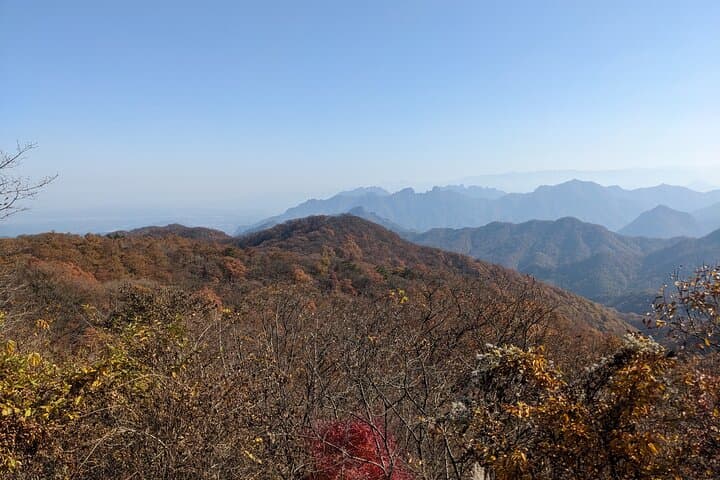
Expect three hours of walking on well-maintained trail and old road sections, mixed gravel, stone steps and short forest climbs. The air smells of cedar phytoncides; the soundscape is footfall, guide narration and the occasional call of a bird. You’ll pause for the Tōge no Chikara mochi bento and a formal shrine offering, then finish at an observation deck that marks the prefectural border.
Plan for variable weather—exposed ridge sections can be cooler and windy. Wear grippy footwear, layer for quick temperature shifts, and bring water and a small first-aid kit. Public transport access is straightforward from Karuizawa or Yokokawa, making this a single-day cultural hike that fits into broader travel plans. The route balances living history with honest walking—an immersive slice of the Nakasendō that rewards steady pacing and attention to detail.
Verified experiences and guided adventures in the surrounding area.
Operated by 一般社団法人安中市観光機構 · Karuizawa, Nagano Prefecture
The trail opens with wind through cedar trunks and the distant silhouette of Mt. Myōgi daring you to look back at where you came from.
You stand on Usui Pass between Nagano and Gunma, dressed in an Edo traveler’s raincoat and sedge hat, stepping where merchants and samurai once tested the route’s steep grades. The guide spreads kamishibai picture cards and the past becomes a moving frame: checkpoints, post towns and the strict Usui Sekisho that policed movement in the shogunate era.
Geology here is compact—ancient metamorphic ridges and weathered granite shaping a narrow corridor that funneled traffic for centuries. Sakamoto-juku’s wooden façades and the Nagai family honjin recall Edo-period logistics; Kumano Shrine’s long history anchors the route in Shinto practice and local devotion.
Expect three hours of walking on well-maintained trail and old road sections, mixed gravel, stone steps and short forest climbs. The air smells of cedar phytoncides; the soundscape is footfall, guide narration and the occasional call of a bird. You’ll pause for the Tōge no Chikara mochi bento and a formal shrine offering, then finish at an observation deck that marks the prefectural border.
Plan for variable weather—exposed ridge sections can be cooler and windy. Wear grippy footwear, layer for quick temperature shifts, and bring water and a small first-aid kit. Public transport access is straightforward from Karuizawa or Yokokawa, making this a single-day cultural hike that fits into broader travel plans. The route balances living history with honest walking—an immersive slice of the Nakasendō that rewards steady pacing and attention to detail.
moderate.
5 hours.
Moderate—regular walkers who can handle several hours of steady uphill and downhill on mixed terrain.
The tour runs about 5 hours with roughly three hours of walking across mixed terrain including stone steps and gravel; it’s rated moderate and suits walkers accustomed to sustained uphill/downhill sections.
Rental of Edo travel garments is included and optional—many guests wear them for photos and the immersive experience but you can opt out for regular hiking clothes.
Yes; public transportation options serve nearby stations (Karuizawa and Yokokawa) and local transfers are commonly used to reach the Usui Pass area.
A tour-exclusive bento (including Tōge no Chikara mochi) is provided; there are few eateries on the immediate trail so bringing snacks is still recommended if you have specific dietary needs.
Usui Pass was one of the Nakasendō’s toughest stretches in the Edo period; the Usui Sekisho checkpoint enforced strict travel controls under the Tokugawa shogunate and Sakamoto-juku thrived as a key post town.
Trail management balances cultural preservation and visitor access; stick to paths to protect mossy forests and fragile historic wooden structures and follow local guidance on shrine etiquette.
一般社団法人安中市観光機構 operates guided outdoor trips and adventures with an emphasis on safety, stewardship, and memorable experiences.
The trail opens with wind through cedar trunks and the distant silhouette of Mt. Myōgi daring you to look back at where you came from.
You stand on Usui Pass between Nagano and Gunma, dressed in an Edo traveler’s raincoat and sedge hat, stepping where merchants and samurai once tested the route’s steep grades. The guide spreads kamishibai picture cards and the past becomes a moving frame: checkpoints, post towns and the strict Usui Sekisho that policed movement in the shogunate era.
Geology here is compact—ancient metamorphic ridges and weathered granite shaping a narrow corridor that funneled traffic for centuries. Sakamoto-juku’s wooden façades and the Nagai family honjin recall Edo-period logistics; Kumano Shrine’s long history anchors the route in Shinto practice and local devotion.
Expect three hours of walking on well-maintained trail and old road sections, mixed gravel, stone steps and short forest climbs. The air smells of cedar phytoncides; the soundscape is footfall, guide narration and the occasional call of a bird. You’ll pause for the Tōge no Chikara mochi bento and a formal shrine offering, then finish at an observation deck that marks the prefectural border.
Plan for variable weather—exposed ridge sections can be cooler and windy. Wear grippy footwear, layer for quick temperature shifts, and bring water and a small first-aid kit. Public transport access is straightforward from Karuizawa or Yokokawa, making this a single-day cultural hike that fits into broader travel plans. The route balances living history with honest walking—an immersive slice of the Nakasendō that rewards steady pacing and attention to detail.
The trail opens with wind through cedar trunks and the distant silhouette of Mt. Myōgi daring you to look back at where you came from.
You stand on Usui Pass between Nagano and Gunma, dressed in an Edo traveler’s raincoat and sedge hat, stepping where merchants and samurai once tested the route’s steep grades. The guide spreads kamishibai picture cards and the past becomes a moving frame: checkpoints, post towns and the strict Usui Sekisho that policed movement in the shogunate era.
Geology here is compact—ancient metamorphic ridges and weathered granite shaping a narrow corridor that funneled traffic for centuries. Sakamoto-juku’s wooden façades and the Nagai family honjin recall Edo-period logistics; Kumano Shrine’s long history anchors the route in Shinto practice and local devotion.
Expect three hours of walking on well-maintained trail and old road sections, mixed gravel, stone steps and short forest climbs. The air smells of cedar phytoncides; the soundscape is footfall, guide narration and the occasional call of a bird. You’ll pause for the Tōge no Chikara mochi bento and a formal shrine offering, then finish at an observation deck that marks the prefectural border.
Plan for variable weather—exposed ridge sections can be cooler and windy. Wear grippy footwear, layer for quick temperature shifts, and bring water and a small first-aid kit. Public transport access is straightforward from Karuizawa or Yokokawa, making this a single-day cultural hike that fits into broader travel plans. The route balances living history with honest walking—an immersive slice of the Nakasendō that rewards steady pacing and attention to detail.