THE ADVENTURE COLLECTIVE® · Independent discovery and booking for outdoor travel

Spend a day moving from sunlit chimneys to subterranean streets and hands-on pottery in the heart of Cappadocia. This private tour ties Göreme’s frescoed churches, Özkonak’s tunnels, Avanos workshops and Devrent’s rock sculptures into a single, practical itinerary.
Spend a day moving from sunlit chimneys to subterranean streets and hands-on pottery in the heart of Cappadocia. This private tour ties Göreme’s frescoed churches, Özkonak’s tunnels, Avanos workshops and Devrent’s rock sculptures into a single, practical itinerary.
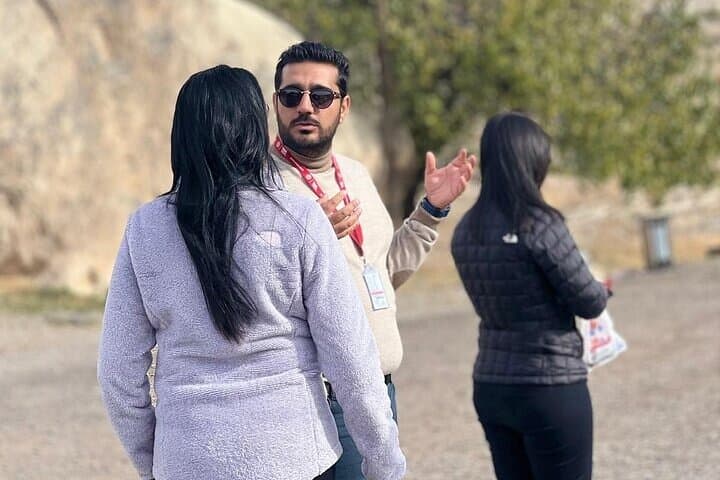
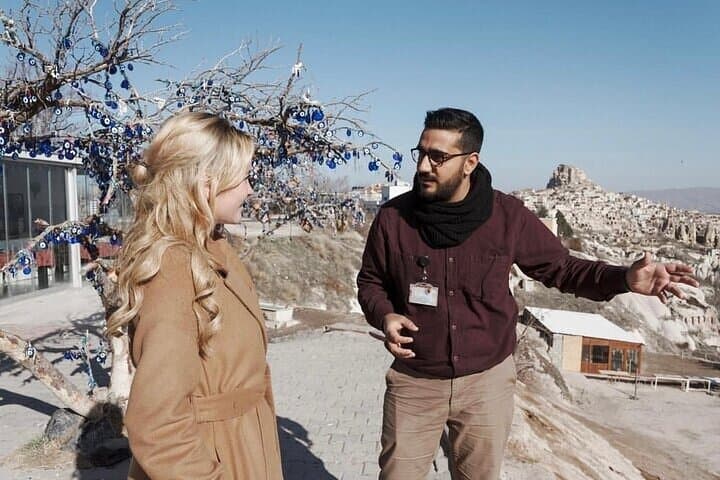
Morning light pours over a moonscape of stone as the minibus slides away from a sleepy Göreme hotel. The guide points toward needle-like chimneys and pockmarked cliffs; the valley ahead seems to wait with an ancient patience. Walkers, camera straps and the occasional ceramic bag shuffle from seat to earthen parking lots, ready for a full day of rock-cut churches, underground tunnels and hands-on craft.
Verified experiences and guided adventures in the surrounding area.
Operated by Travel Teller by Expertas Travel · Göreme, Nevşehir Province
Morning light pours over a moonscape of stone as the minibus slides away from a sleepy Göreme hotel. The guide points toward needle-like chimneys and pockmarked cliffs; the valley ahead seems to wait with an ancient patience. Walkers, camera straps and the occasional ceramic bag shuffle from seat to earthen parking lots, ready for a full day of rock-cut churches, underground tunnels and hands-on craft.
Cappadocia is a region written by wind and river. Soft volcanic tuff, deposited millions of years ago, eroded into conical 'fairy chimneys' and honeycombed cliffs that early Christians carved into homes, chapels and monasteries. At the Göreme Open-Air Museum, the stone will feel cool beneath your palm and the frescoed surfaces keep a low-light intimacy: saints and apostles painted with pigments preserved in caverns that became places of worship through the Byzantine era.
The geology explains the architecture; the history explains the secrecy. Underground cities like Özkonak are feats of engineering—ventilation shafts, rolling stone doors and multi-level living quarters built for concealment during raids. Later centuries layered on pottery traditions in Avanos, where clay from the Kızılırmak (Red River) has been spun on wheels for millennia.
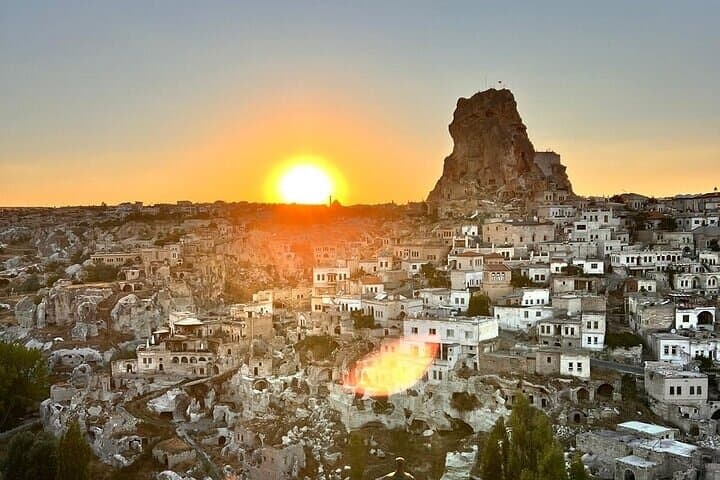
This private full-day itinerary threads those sites together with practical ease: two hours at Göreme’s monasteries, two hours beneath the earth at Özkonak, a workshop visit in Avanos and a short walk among the sculptural forms of Devrent Valley, plus a stop in Ortahisar to see its towered rock castle. Lunch and entrance fees are covered, and bottled water keeps the day moving.
For travelers, the pattern is simple—expect uneven surfaces, carved steps and a few steep lanes. Bring footwear with grip, a light layer for cool cave air, and a camera with a fast lens for low-light frescoes. Start early if you want soft light on the chimneys, or linger later to avoid tour buses at the museum.
Local life is quieter than the views suggest: pottery studios in Avanos still shape by hand and cafés pour strong Turkish coffee. Respect fragile frescoes by keeping distance and following site rules; these sites are protected, and visitor behavior shapes their future.
The Unique Route is a compact, sensory introduction to Cappadocia’s layered story—geology that carved shelter, faith that painted walls, craft that shaped daily life. It’s a day designed for people who want context with their photographs and practical pacing between spectacular stops.
moderate.
7–8 hours.
Moderate fitness; comfortable walking for several hours and negotiating stairs and short climbs.
Yes; private pickup from Göreme-area hotels is provided and the driver meets you at arrivals if needed.
Entrance fees for scheduled sites and a local lunch are included in the tour price.
The tour notes stroller access for some parts, but underground city passages and steps are not stroller-friendly; infants should sit on laps.
Expect short walks at each stop—roughly moderate walking with stairs and uneven ground across a full day.
The itinerary is fixed to Özkonak for this route, but private tours sometimes can be customized if arranged in advance.
Photography is generally allowed, but flash is often restricted to protect pigments—follow site signage and guide instructions.
Cappadocia’s rock-cut churches and underground cities developed during the Byzantine era when communities carved shelter into soft volcanic tuff to protect people and sacred art.
Sites are fragile: stay on marked paths, avoid touching painted surfaces and support local guides who help manage visitor impact.
Travel Teller by Expertas Travel operates guided outdoor trips and adventures with an emphasis on safety, stewardship, and memorable experiences.
Morning light pours over a moonscape of stone as the minibus slides away from a sleepy Göreme hotel. The guide points toward needle-like chimneys and pockmarked cliffs; the valley ahead seems to wait with an ancient patience. Walkers, camera straps and the occasional ceramic bag shuffle from seat to earthen parking lots, ready for a full day of rock-cut churches, underground tunnels and hands-on craft.
Morning light pours over a moonscape of stone as the minibus slides away from a sleepy Göreme hotel. The guide points toward needle-like chimneys and pockmarked cliffs; the valley ahead seems to wait with an ancient patience. Walkers, camera straps and the occasional ceramic bag shuffle from seat to earthen parking lots, ready for a full day of rock-cut churches, underground tunnels and hands-on craft.
Cappadocia is a region written by wind and river. Soft volcanic tuff, deposited millions of years ago, eroded into conical 'fairy chimneys' and honeycombed cliffs that early Christians carved into homes, chapels and monasteries. At the Göreme Open-Air Museum, the stone will feel cool beneath your palm and the frescoed surfaces keep a low-light intimacy: saints and apostles painted with pigments preserved in caverns that became places of worship through the Byzantine era.
The geology explains the architecture; the history explains the secrecy. Underground cities like Özkonak are feats of engineering—ventilation shafts, rolling stone doors and multi-level living quarters built for concealment during raids. Later centuries layered on pottery traditions in Avanos, where clay from the Kızılırmak (Red River) has been spun on wheels for millennia.
This private full-day itinerary threads those sites together with practical ease: two hours at Göreme’s monasteries, two hours beneath the earth at Özkonak, a workshop visit in Avanos and a short walk among the sculptural forms of Devrent Valley, plus a stop in Ortahisar to see its towered rock castle. Lunch and entrance fees are covered, and bottled water keeps the day moving.
For travelers, the pattern is simple—expect uneven surfaces, carved steps and a few steep lanes. Bring footwear with grip, a light layer for cool cave air, and a camera with a fast lens for low-light frescoes. Start early if you want soft light on the chimneys, or linger later to avoid tour buses at the museum.
Local life is quieter than the views suggest: pottery studios in Avanos still shape by hand and cafés pour strong Turkish coffee. Respect fragile frescoes by keeping distance and following site rules; these sites are protected, and visitor behavior shapes their future.
The Unique Route is a compact, sensory introduction to Cappadocia’s layered story—geology that carved shelter, faith that painted walls, craft that shaped daily life. It’s a day designed for people who want context with their photographs and practical pacing between spectacular stops.