THE ADVENTURE COLLECTIVE® · Independent discovery and booking for outdoor travel

Watch the sun drop from a cliff-top temple, hear an ancient chorus of voices, then end the evening with a candlelit seafood dinner on Jimbaran Beach. This compact, accessible tour blends dramatic coastal scenery with one of Bali’s most iconic cultural performances.
Watch the sun drop from a cliff-top temple, hear an ancient chorus of voices, then end the evening with a candlelit seafood dinner on Jimbaran Beach. This compact, accessible tour blends dramatic coastal scenery with one of Bali’s most iconic cultural performances.
You arrive along the Bukit Peninsula as the late-afternoon heat softens; the ocean is a dark, moving wall far below and the cliff seems to lean out to meet it.
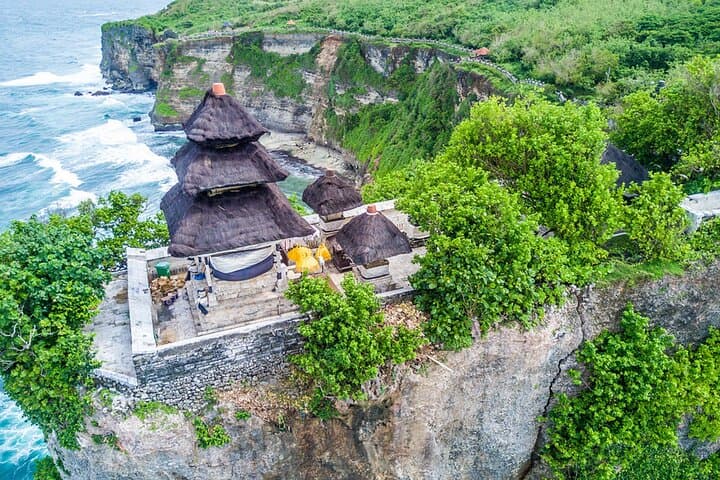
Sea spray dares the limestone ledge and long-tailed macaques pace the rim like small, curious sentries. The temple perches on sheer rock — wind and waves have carved the bluff into terraces and caves — and the sunset pulls color across the water while the air cools.
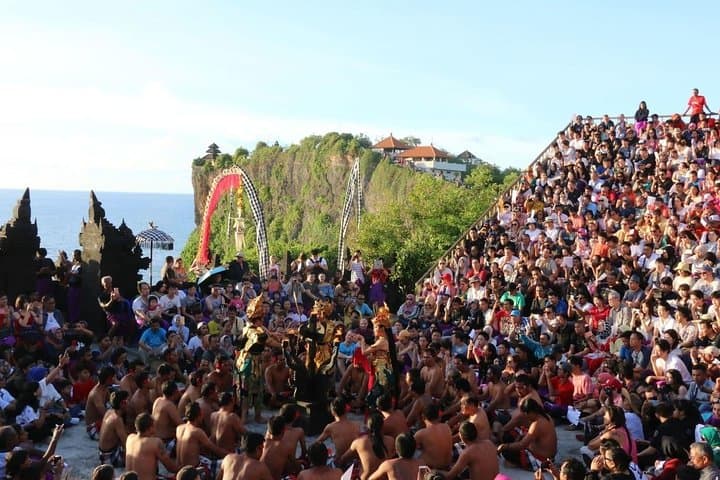
Pura Luhur Uluwatu is one of Bali’s sea temples, part of the island’s coastal network of shrines said to keep malevolent forces at bay. Geologically the Bukit is uplifted coral and fossilized reef, so paths are uneven and drop away powerfully. Culturally the evening centers on the kecak: a percussion of human voices reciting fragments of the Ramayana, punctuated by trained fire performers whose choreography rides the rhythm of the chant.
Expect 6 hours from pickup to drop-off, with time to explore temple grounds, watch sunset, and then move to Jimbaran for a candlelit seafood set menu on the sand. Practical notes: wear modest clothing and a sash if entering shrines, keep pockets zipped (monkeys), bring a light jacket for the cliff breeze, and allow extra travel time for narrow roads and traffic. Photography is excellent at golden hour, but stay behind safety railings. The sequence — temple, kecak, dinner — is compact, cultural, and accessible for most travelers seeking dramatic coastal views and a hands-on introduction to Balinese ritual and performance.
Verified experiences and guided adventures in the surrounding area.
Operated by PT. Marina Bali Wisata · Uluwatu, Bali
You arrive along the Bukit Peninsula as the late-afternoon heat softens; the ocean is a dark, moving wall far below and the cliff seems to lean out to meet it.
Sea spray dares the limestone ledge and long-tailed macaques pace the rim like small, curious sentries. The temple perches on sheer rock — wind and waves have carved the bluff into terraces and caves — and the sunset pulls color across the water while the air cools.
Pura Luhur Uluwatu is one of Bali’s sea temples, part of the island’s coastal network of shrines said to keep malevolent forces at bay. Geologically the Bukit is uplifted coral and fossilized reef, so paths are uneven and drop away powerfully. Culturally the evening centers on the kecak: a percussion of human voices reciting fragments of the Ramayana, punctuated by trained fire performers whose choreography rides the rhythm of the chant.
Expect 6 hours from pickup to drop-off, with time to explore temple grounds, watch sunset, and then move to Jimbaran for a candlelit seafood set menu on the sand. Practical notes: wear modest clothing and a sash if entering shrines, keep pockets zipped (monkeys), bring a light jacket for the cliff breeze, and allow extra travel time for narrow roads and traffic. Photography is excellent at golden hour, but stay behind safety railings. The sequence — temple, kecak, dinner — is compact, cultural, and accessible for most travelers seeking dramatic coastal views and a hands-on introduction to Balinese ritual and performance.
easy.
6 hours.
Light walking on uneven paths and steps; suitable for most fitness levels but requires stable footing for cliff edges.
Yes — the performance is family-friendly, though live fire and loud chanting may startle very young children; supervision is recommended.
This tour includes temple admission and the kecak performance as described, but check your booking confirmation for exact inclusions.
The main temple area has uneven steps and cliff-side paths; some viewpoints are wheelchair accessible, but access to all areas may be limited — confirm special requirements when booking.
The standard offering is a seafood set menu; request dietary preferences at booking and the operator will often accommodate vegetarian choices with advance notice.
Uluwatu is one of Bali’s prominent sea temples, historically maintained as part of a chain of coastal shrines and associated with ancient Balinese ritual practice and mythic guardianship.
Cliff erosion and litter are local concerns; avoid feeding wildlife, carry out trash, and support village-run warungs that follow sustainable fishing and beach-cleaning practices.
PT. Marina Bali Wisata operates guided outdoor trips and adventures with an emphasis on safety, stewardship, and memorable experiences.
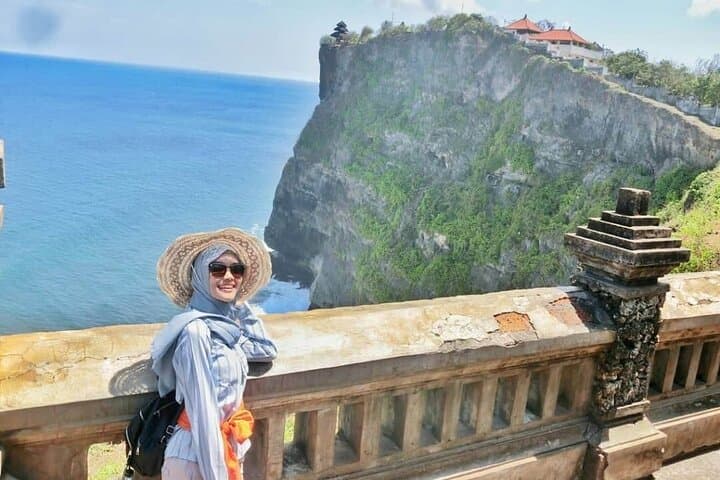
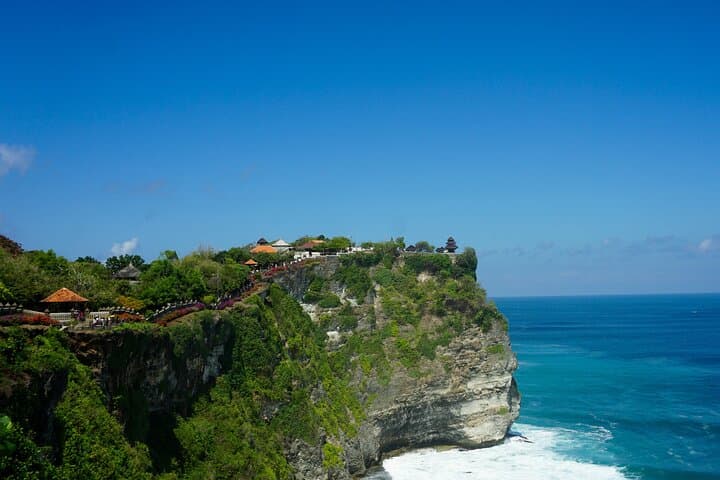
You arrive along the Bukit Peninsula as the late-afternoon heat softens; the ocean is a dark, moving wall far below and the cliff seems to lean out to meet it.
Sea spray dares the limestone ledge and long-tailed macaques pace the rim like small, curious sentries. The temple perches on sheer rock — wind and waves have carved the bluff into terraces and caves — and the sunset pulls color across the water while the air cools.
Pura Luhur Uluwatu is one of Bali’s sea temples, part of the island’s coastal network of shrines said to keep malevolent forces at bay. Geologically the Bukit is uplifted coral and fossilized reef, so paths are uneven and drop away powerfully. Culturally the evening centers on the kecak: a percussion of human voices reciting fragments of the Ramayana, punctuated by trained fire performers whose choreography rides the rhythm of the chant.
Expect 6 hours from pickup to drop-off, with time to explore temple grounds, watch sunset, and then move to Jimbaran for a candlelit seafood set menu on the sand. Practical notes: wear modest clothing and a sash if entering shrines, keep pockets zipped (monkeys), bring a light jacket for the cliff breeze, and allow extra travel time for narrow roads and traffic. Photography is excellent at golden hour, but stay behind safety railings. The sequence — temple, kecak, dinner — is compact, cultural, and accessible for most travelers seeking dramatic coastal views and a hands-on introduction to Balinese ritual and performance.
You arrive along the Bukit Peninsula as the late-afternoon heat softens; the ocean is a dark, moving wall far below and the cliff seems to lean out to meet it.
Sea spray dares the limestone ledge and long-tailed macaques pace the rim like small, curious sentries. The temple perches on sheer rock — wind and waves have carved the bluff into terraces and caves — and the sunset pulls color across the water while the air cools.
Pura Luhur Uluwatu is one of Bali’s sea temples, part of the island’s coastal network of shrines said to keep malevolent forces at bay. Geologically the Bukit is uplifted coral and fossilized reef, so paths are uneven and drop away powerfully. Culturally the evening centers on the kecak: a percussion of human voices reciting fragments of the Ramayana, punctuated by trained fire performers whose choreography rides the rhythm of the chant.
Expect 6 hours from pickup to drop-off, with time to explore temple grounds, watch sunset, and then move to Jimbaran for a candlelit seafood set menu on the sand. Practical notes: wear modest clothing and a sash if entering shrines, keep pockets zipped (monkeys), bring a light jacket for the cliff breeze, and allow extra travel time for narrow roads and traffic. Photography is excellent at golden hour, but stay behind safety railings. The sequence — temple, kecak, dinner — is compact, cultural, and accessible for most travelers seeking dramatic coastal views and a hands-on introduction to Balinese ritual and performance.