THE ADVENTURE COLLECTIVE® · Independent discovery and booking for outdoor travel

Watch Uluru change color from an uninterrupted sunset platform with a small group, sparkling wine and local interpretation. This two-hour tour balances comfort, accessibility and cultural context for a memorable desert sundown.
Watch Uluru change color from an uninterrupted sunset platform with a small group, sparkling wine and local interpretation. This two-hour tour balances comfort, accessibility and cultural context for a memorable desert sundown.
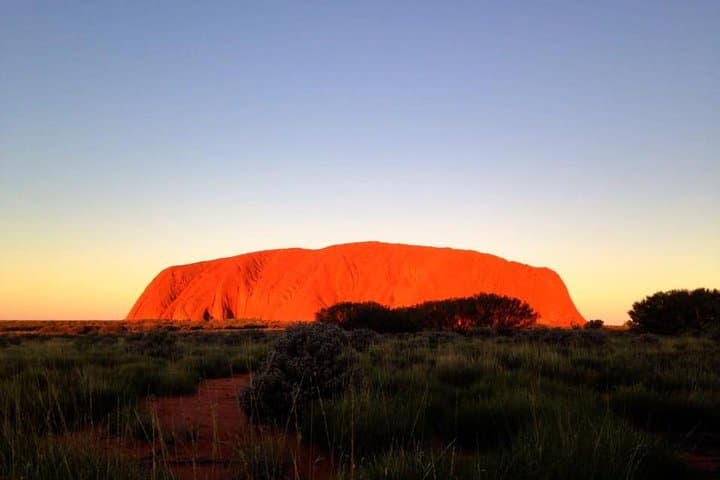
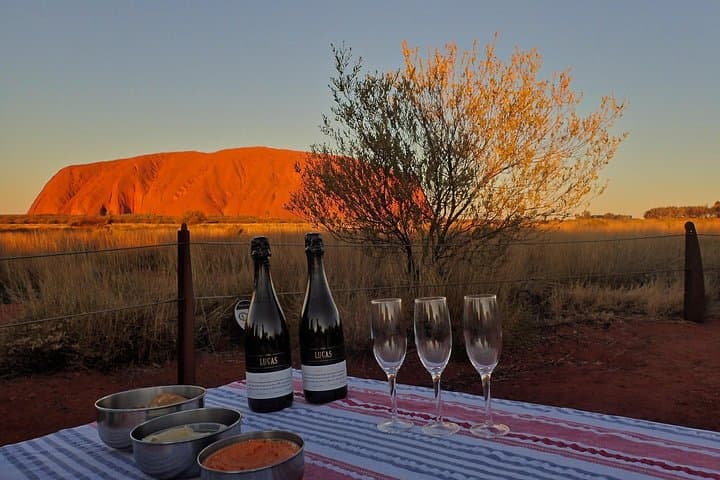
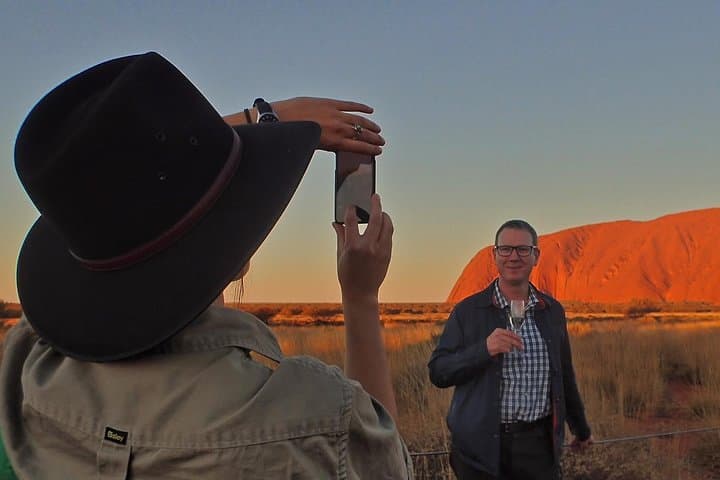
A low wind lifts fine red dust across the flat of the Central Australian desert as the sun edges toward the horizon. The crowd is quiet; cameras click, but it is the rock that speaks. Uluru shifts color like a slow, deliberate actor—deepening from ochre to burnished orange to a final, cool purple before dusk takes the stage. On this two-hour small-group sunset tour you watch that change from a designated viewing area with an uninterrupted line of sight, a glass of sparkling wine in hand and light refreshments at your feet.
Verified experiences and guided adventures in the surrounding area.
Operated by SEIT Tours · Yulara, Northern Territory
A low wind lifts fine red dust across the flat of the Central Australian desert as the sun edges toward the horizon. The crowd is quiet; cameras click, but it is the rock that speaks. Uluru shifts color like a slow, deliberate actor—deepening from ochre to burnished orange to a final, cool purple before dusk takes the stage. On this two-hour small-group sunset tour you watch that change from a designated viewing area with an uninterrupted line of sight, a glass of sparkling wine in hand and light refreshments at your feet.
Uluru is both landscape and living cultural marker. The sandstone monolith rose from ancient seabeds, folded and weathered over roughly half a billion years—its visible face a layered record of geology and time. For the Anangu people, Uluru is a place of law, song and story; certain areas are sacred and access is restricted. In recent years park management and traditional owners have worked together to protect those values, and the climb has been officially closed.
The sunset platform itself is practical: a low dune that rows of benches face the western horizon, designed for visibility and minimal impact. The tour operator provides transport from Yulara accommodations, making the experience accessible to travelers with limited mobility. Guides frame the changing light with concise geological and cultural context, then leave space for silence and photographs.
Practical guidance matters in this desert theater. Temperatures can drop fast after sunset—pack a wind layer even if the afternoon is hot. Bring at least 1 liter of water per person, a hat and sun protection; the dirt is loose around the viewing area so sturdy closed shoes are best for short walks from the vehicle. Cameras and phones capture dramatic color shifts, but remember to put the device down and watch; the scale of Uluru is best registered in person.
This tour is ideal for travelers who want a focused, comfortable sunset experience without extensive walking. It’s a good fit for photographers seeking that classic postcard angle and for anyone who values interpretive context from a local guide while remaining mindful of cultural rules. Because the group is capped at 11, the vantage remains uncluttered compared with larger coach tours—bring a small tripod if you want long-exposure shots.
Timing is everything: arrive with the guide’s pickup info confirmed, plan for a short wait as the light changes, and leave room in your evening for cooler temperatures. Uluru’s sunset is not merely a photo op; it’s a paced, communal noticing of landscape and culture that leaves most travelers quieter than when they arrived.
easy.
2 hours.
Suitable for most fitness levels; minimal walking from vehicle to viewing platform
Yes—Uluru-Kata Tjuta National Park charges an entry fee that is usually included in organized tours; confirm with the operator if not.
Hotel pickup and drop-off from Yulara are included; pickup times depend on the season and specific accommodation.
No—the climb is permanently closed; guides will explain the cultural reasons and point out permitted areas to visit instead.
The viewing area and vehicle access are wheelchair accessible, but some assistance may be needed for uneven surfaces; advise the operator when booking.
The tour runs about two hours and typically arrives at the viewing site roughly 45–60 minutes before sunset to secure positions and provide context.
Bring basic insect repellent and a buff or bandana for dust; conditions vary but evenings can be breezy and dusty.
Uluru is a geological formation from ancient sedimentary layers and a central cultural site for the Anangu people, whose stories and custodianship shape park management.
Park management enforces strict access rules and fees that fund conservation; visitors should stick to paths, avoid disturbing sites and follow local cultural protocols.
SEIT Tours operates guided outdoor trips and adventures with an emphasis on safety, stewardship, and memorable experiences.
A low wind lifts fine red dust across the flat of the Central Australian desert as the sun edges toward the horizon. The crowd is quiet; cameras click, but it is the rock that speaks. Uluru shifts color like a slow, deliberate actor—deepening from ochre to burnished orange to a final, cool purple before dusk takes the stage. On this two-hour small-group sunset tour you watch that change from a designated viewing area with an uninterrupted line of sight, a glass of sparkling wine in hand and light refreshments at your feet.
A low wind lifts fine red dust across the flat of the Central Australian desert as the sun edges toward the horizon. The crowd is quiet; cameras click, but it is the rock that speaks. Uluru shifts color like a slow, deliberate actor—deepening from ochre to burnished orange to a final, cool purple before dusk takes the stage. On this two-hour small-group sunset tour you watch that change from a designated viewing area with an uninterrupted line of sight, a glass of sparkling wine in hand and light refreshments at your feet.
Uluru is both landscape and living cultural marker. The sandstone monolith rose from ancient seabeds, folded and weathered over roughly half a billion years—its visible face a layered record of geology and time. For the Anangu people, Uluru is a place of law, song and story; certain areas are sacred and access is restricted. In recent years park management and traditional owners have worked together to protect those values, and the climb has been officially closed.
The sunset platform itself is practical: a low dune that rows of benches face the western horizon, designed for visibility and minimal impact. The tour operator provides transport from Yulara accommodations, making the experience accessible to travelers with limited mobility. Guides frame the changing light with concise geological and cultural context, then leave space for silence and photographs.
Practical guidance matters in this desert theater. Temperatures can drop fast after sunset—pack a wind layer even if the afternoon is hot. Bring at least 1 liter of water per person, a hat and sun protection; the dirt is loose around the viewing area so sturdy closed shoes are best for short walks from the vehicle. Cameras and phones capture dramatic color shifts, but remember to put the device down and watch; the scale of Uluru is best registered in person.
This tour is ideal for travelers who want a focused, comfortable sunset experience without extensive walking. It’s a good fit for photographers seeking that classic postcard angle and for anyone who values interpretive context from a local guide while remaining mindful of cultural rules. Because the group is capped at 11, the vantage remains uncluttered compared with larger coach tours—bring a small tripod if you want long-exposure shots.
Timing is everything: arrive with the guide’s pickup info confirmed, plan for a short wait as the light changes, and leave room in your evening for cooler temperatures. Uluru’s sunset is not merely a photo op; it’s a paced, communal noticing of landscape and culture that leaves most travelers quieter than when they arrived.