THE ADVENTURE COLLECTIVE® · Independent discovery and booking for outdoor travel

A three‑hour guided walk through Summit Avenue and downtown St. Paul that mixes architecture, Dakota and Ojibwe history, Fitzgerald’s local ties, and hidden Prohibition-era stories. Ideal for visitors who want city context, local tips, and a final stop for Minnesota craft beer.
A three‑hour guided walk through Summit Avenue and downtown St. Paul that mixes architecture, Dakota and Ojibwe history, Fitzgerald’s local ties, and hidden Prohibition-era stories. Ideal for visitors who want city context, local tips, and a final stop for Minnesota craft beer.
Book with One Minute Tours
Book directly with One Minute Tours for the best rates and real-time scheduling.
Reserve NowVerified experiences and guided adventures in the surrounding area.
Operated by One Minute Tours · St. Paul, Minnesota
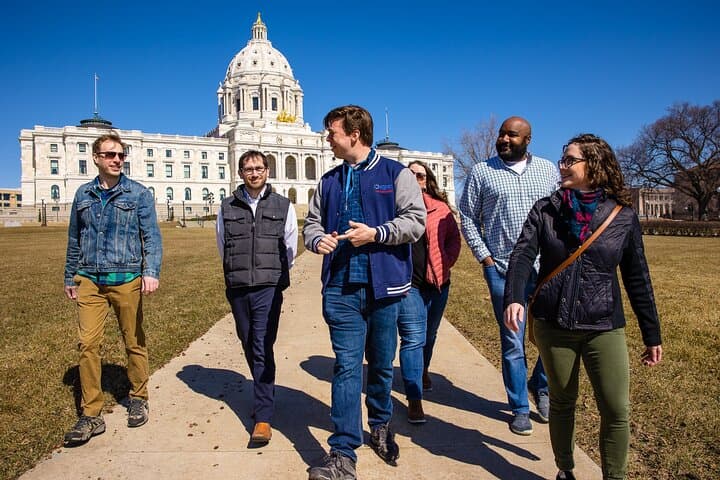
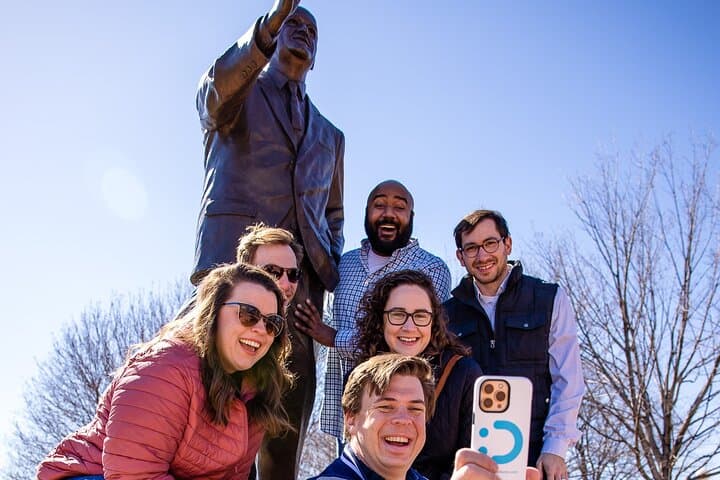
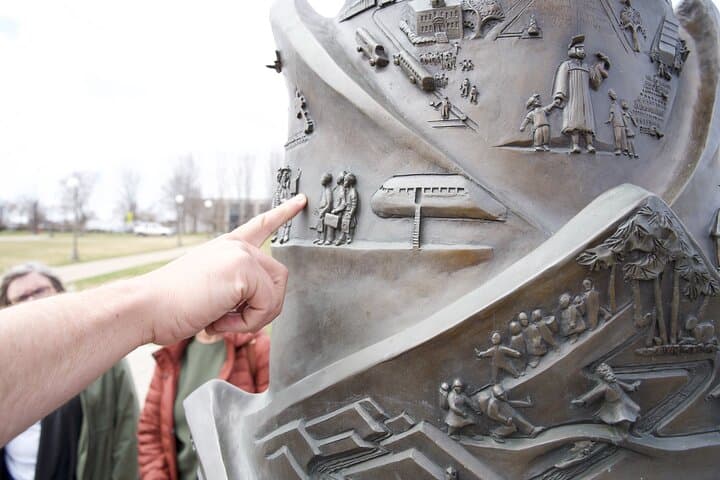
You step onto Summit Avenue with red-brick mansions flanking a wide sidewalk and the Mississippi river daring you from the bluff below. The guide begins with a slow, sure cadence—architectural details, a whisper of speakeasy lore, and the scent of freshly roasted coffee slipping from a nearby shop. Over three hours you thread from the Cathedral of Saint Paul through Summit Hill, past Fitzgerald's birthplace, and into the city’s concealed corners where rail barons and immigrant communities shaped streets and stories. St. Paul’s history reads like layered geology: Indigenous Dakota and Ojibwe presence, nineteenth‑century river commerce, railroad fortunes that raised palatial homes, and the dry-era craftiness that birthed hidden cellars and caves. Cultural notes arrive in concrete form—public art tucked into skyways, a Capitol restoration that tells of political rebirth, and culinary recommendations for the neighborhoods you’ll pass. Practical guidance is woven into narration. Expect three miles of mostly flat, paved walking with occasional staircases and cobblestones near historic sites. Wear supportive footwear, bring a refillable water bottle, and plan for changing weather—Minnesota can switch from sun to wind in an hour. The tour closes in a low-lit pub with a local brew or non-alcoholic option, where your guide hands over a short list of restaurants and corner cafés to keep exploring. For visitors who want context with their steps, this walk balances storytelling with route-savvy tips—history on the move, and a clear plan for continuing your St. Paul day.
moderate.
3 hours.
Moderate: comfortable standing and walking for three hours with short breaks; able to manage stairs and uneven paving.
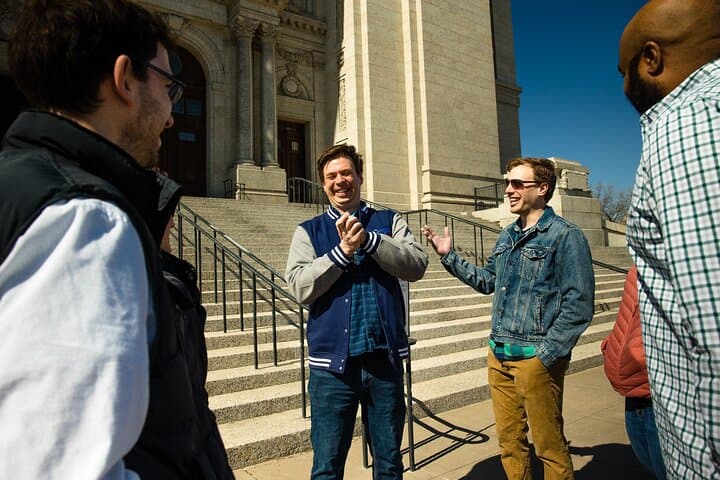
Meet on the front steps facing Summit Avenue near the Cathedral of Saint Paul; the tour ends at a downtown pub within walking distance of transit.
Many areas visited are wheelchair and stroller accessible, including sections of the skyway; contact the operator ahead for specific accessibility accommodations.
Full refund is available if you cancel at least 24 hours before the scheduled departure; same-day cancellations are not refundable.
Yes—families are welcome; the pace is steady with story-focused stops, but parents should expect three hours of walking.
St. Paul grew from a river trading post into a railroad and political hub; Summit Avenue reflects 19th-century wealth from rail barons and the city’s role in regional commerce.
Respect historic sites by staying on sidewalks and not climbing on buildings; follow local waste and recycling practices—St. Paul promotes downtown cleanliness and heritage preservation.
One Minute Tours operates guided outdoor trips and adventures with an emphasis on safety, stewardship, and memorable experiences.
Book with One Minute Tours
Book directly with One Minute Tours for the best rates and real-time scheduling.
Reserve Now