THE ADVENTURE COLLECTIVE® · Independent discovery and booking for outdoor travel

A compact, half-day loop from Reykjavík that hits Thingvellir, Geysir, Gullfoss and Kerið—geology, history and high-impact scenery in 4–6 hours. Expect short walks, dramatic viewpoints, and changeable Icelandic weather.
A compact, half-day loop from Reykjavík that hits Thingvellir, Geysir, Gullfoss and Kerið—geology, history and high-impact scenery in 4–6 hours. Expect short walks, dramatic viewpoints, and changeable Icelandic weather.
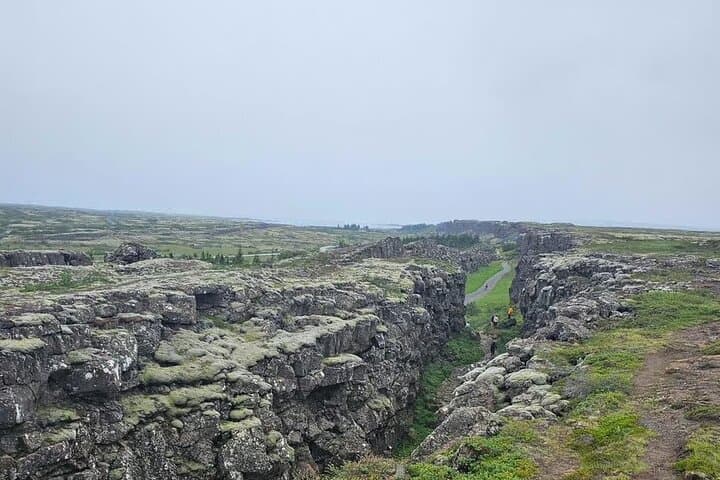
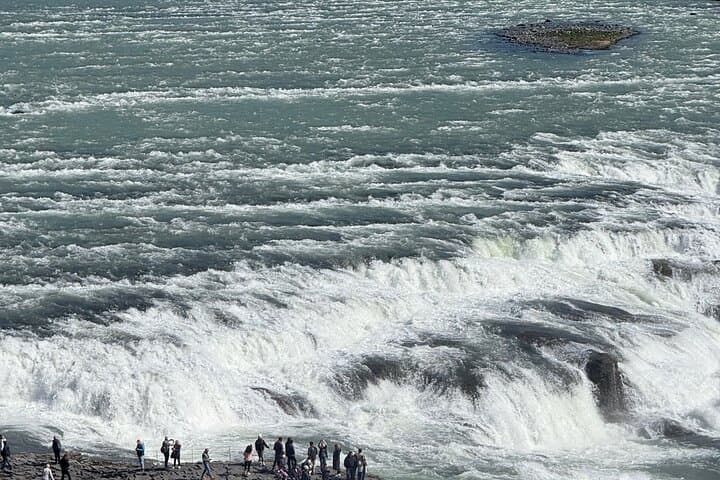
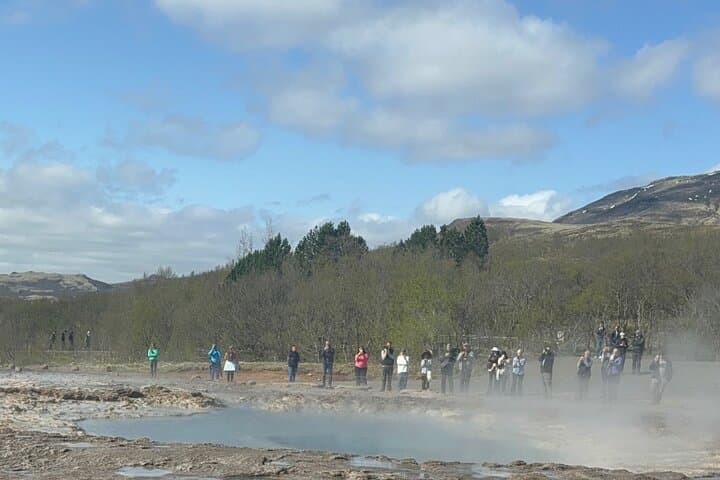
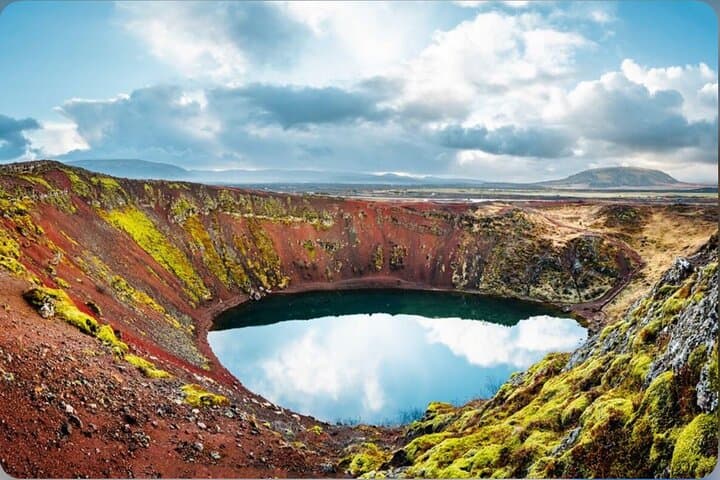
You step out of Reykjavík’s glow and into a landscape that still remembers how to move—the earth here feels active underfoot. The first pull is Thingvellir, where the plain opens between the North American and Eurasian plates and the hollow of Þingvallavatn reflects a wide, cold sky. Later, steam hisses at Geysir and Strokkur, counting down the next blast of water; at Gullfoss the Hvítá river throws itself over two thunderous drops, mist stinging your face. The trail at Kerið circles a rim of cobalt water and red volcanic rock that looks freshly cut.
Verified experiences and guided adventures in the surrounding area.
Operated by Tulip tours ehf. · Reykjavík, Capital Region
You step out of Reykjavík’s glow and into a landscape that still remembers how to move—the earth here feels active underfoot. The first pull is Thingvellir, where the plain opens between the North American and Eurasian plates and the hollow of Þingvallavatn reflects a wide, cold sky. Later, steam hisses at Geysir and Strokkur, counting down the next blast of water; at Gullfoss the Hvítá river throws itself over two thunderous drops, mist stinging your face. The trail at Kerið circles a rim of cobalt water and red volcanic rock that looks freshly cut.
Iceland’s Golden Circle compresses centuries of geological and cultural history into a half-day route. Þingvellir hosted Iceland’s Alþingi from 930 AD—a political cradle—while Gullfoss and Geysir reveal glacial melt and geothermal plumbing fed by a young, volcanic island. Kerið is a volcanic caldera whose colored slopes show oxidized lava layers and a clear aquifer at its base.
Expect short walks, viewpoints with steep edges, and changeable weather. Guides typically provide transport, bottled water, and light snacks, and they time stops to avoid crowds where possible. Practical notes: wear a waterproof outer layer and grippy shoes for wet paths; bring a charged camera and small tripod for long-exposure waterfall shots; plan for 4–6 hours including transfers to and from Reykjavik. Morning departures mean softer light and fewer buses; afternoons can be warmer but busier. Stick to marked paths—thermal areas and cliff edges are fragile and potentially hazardous. This loop rewards curious travelers: history underfoot, steam that surprises, and vistas that insist you stop and look closely.
easy.
4–6 hours.
Suitable for most fitness levels; requires short on-foot sections and standing at viewpoints.
The full experience runs about 4–6 hours, with roughly 45–60 minutes at each major stop (Þingvellir, Geysir, Gullfoss, Kerið) plus transit time.
Many companies offer private transport and minimal walking options; however some viewpoints require uneven ground—check accessibility details with the operator before booking.
Major natural sites are generally free to visit; some sites may request a small parking or preservation fee—confirm inclusions at booking.
Early morning departures reduce crowds and offer softer light for photography; late afternoon can be warmer but busier with day-trip traffic.
Þingvellir is the site of Iceland’s Alþingi (assembly) established in 930 AD, making it central to national identity and law-making.
High visitor numbers strain fragile soils and geothermal features—stick to boardwalks, carry out litter, and follow guide instructions to reduce impact.
Tulip tours ehf. operates guided outdoor trips and adventures with an emphasis on safety, stewardship, and memorable experiences.
You step out of Reykjavík’s glow and into a landscape that still remembers how to move—the earth here feels active underfoot. The first pull is Thingvellir, where the plain opens between the North American and Eurasian plates and the hollow of Þingvallavatn reflects a wide, cold sky. Later, steam hisses at Geysir and Strokkur, counting down the next blast of water; at Gullfoss the Hvítá river throws itself over two thunderous drops, mist stinging your face. The trail at Kerið circles a rim of cobalt water and red volcanic rock that looks freshly cut.
You step out of Reykjavík’s glow and into a landscape that still remembers how to move—the earth here feels active underfoot. The first pull is Thingvellir, where the plain opens between the North American and Eurasian plates and the hollow of Þingvallavatn reflects a wide, cold sky. Later, steam hisses at Geysir and Strokkur, counting down the next blast of water; at Gullfoss the Hvítá river throws itself over two thunderous drops, mist stinging your face. The trail at Kerið circles a rim of cobalt water and red volcanic rock that looks freshly cut.
Iceland’s Golden Circle compresses centuries of geological and cultural history into a half-day route. Þingvellir hosted Iceland’s Alþingi from 930 AD—a political cradle—while Gullfoss and Geysir reveal glacial melt and geothermal plumbing fed by a young, volcanic island. Kerið is a volcanic caldera whose colored slopes show oxidized lava layers and a clear aquifer at its base.
Expect short walks, viewpoints with steep edges, and changeable weather. Guides typically provide transport, bottled water, and light snacks, and they time stops to avoid crowds where possible. Practical notes: wear a waterproof outer layer and grippy shoes for wet paths; bring a charged camera and small tripod for long-exposure waterfall shots; plan for 4–6 hours including transfers to and from Reykjavik. Morning departures mean softer light and fewer buses; afternoons can be warmer but busier. Stick to marked paths—thermal areas and cliff edges are fragile and potentially hazardous. This loop rewards curious travelers: history underfoot, steam that surprises, and vistas that insist you stop and look closely.