THE ADVENTURE COLLECTIVE® · Independent discovery and booking for outdoor travel

Spend a day chasing waterfalls, swinging over rice terraces and slipping through a cavern of light on this private Ubud tour. From Kanto Lampo’s tiered basalt to Tukad Cepung’s cave-lit shaft, the route combines nature, local agriculture and easy adventure.
Spend a day chasing waterfalls, swinging over rice terraces and slipping through a cavern of light on this private Ubud tour. From Kanto Lampo’s tiered basalt to Tukad Cepung’s cave-lit shaft, the route combines nature, local agriculture and easy adventure.
The morning light arrives soft and low over the hills outside Ubud, turning the rice terraces a hard, glittering green. You step from an air-conditioned van into humidity that smells of wet earth and coffee, and the first sound is water—not the distant ocean but the immediate rush of a cascade. At Kanto Lampo the falls spill over banded volcanic rock; you can stand under the thinner curtains of water and let the stream push a steady, clean cadence into your shoulders.
Verified experiences and guided adventures in the surrounding area.
Operated by Bali Hiking Tour · Ubud, Bali
The morning light arrives soft and low over the hills outside Ubud, turning the rice terraces a hard, glittering green. You step from an air-conditioned van into humidity that smells of wet earth and coffee, and the first sound is water—not the distant ocean but the immediate rush of a cascade. At Kanto Lampo the falls spill over banded volcanic rock; you can stand under the thinner curtains of water and let the stream push a steady, clean cadence into your shoulders.
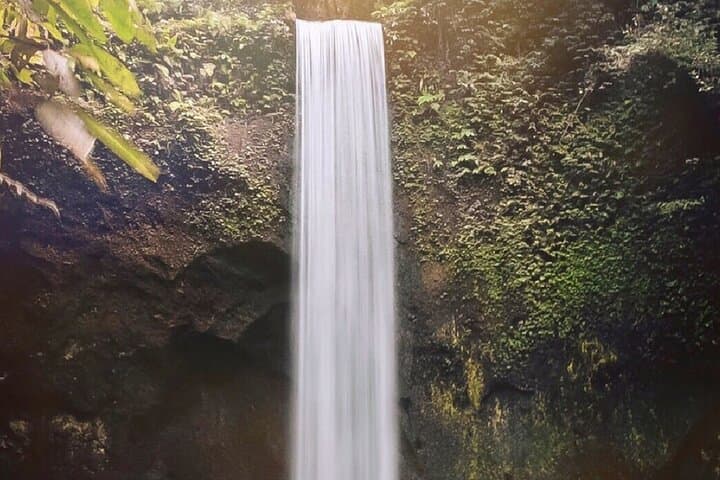
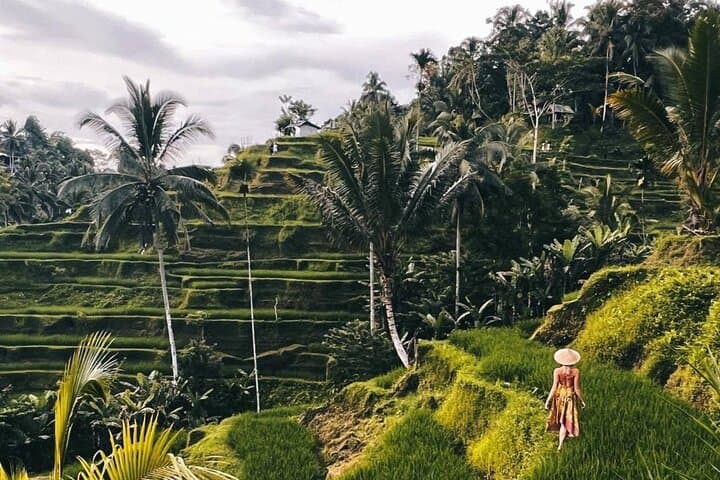
This private day tour stitches together some of central Bali’s most cinematic landscapes: tiered subak rice paddies, rainforest gullies, and a cavernous waterfall that funnels sunlight into beams. The Tegalalang Rice Terraces offer a working landscape as much as a view—the subak system here dates back centuries and reflects Bali’s communal approach to irrigation and rice farming. The waterfalls—Kanto Lampo, Tibumana and Tukad Cepung—are products of Bali’s volcanic geology and tropical rainfall, carving through basalt and creating plunge pools beneath curtains of foliage.
Culturally, Ubud sits at Bali’s creative and spiritual core. Guides on this route will often point out small family temples, rice-shaping techniques and the communal cooperation that keeps terraces irrigated. Tukad Cepung, hidden inside a cliff throat, becomes a lightbox at the right hour; locals still fish and swim at these pools, and you’ll likely share the water with village families.
Practicalities: the tour runs about eight hours (pick-up times vary by area) and includes entrance fees to every stop, bottled water and hotel pickup. Expect short hikes—rocky, sometimes slippery staircases and a shallow stream crossing at Tukad Cepung—and swimming at Tibumana if you choose. Footing can be uneven, and sections near the falls are wet.
Timing matters. Aim for early pickup to beat the midday crowds and catch the cave light at Tukad Cepung; late afternoons bring softer light over Tegalalang but can be busier. Bring sturdy sandals or light hiking shoes, a quick-dry shirt, a swimsuit and a lightweight waterproof layer. Carry cash—small vendors sell coffee, snacks and swing photos—and a dry bag for electronics.
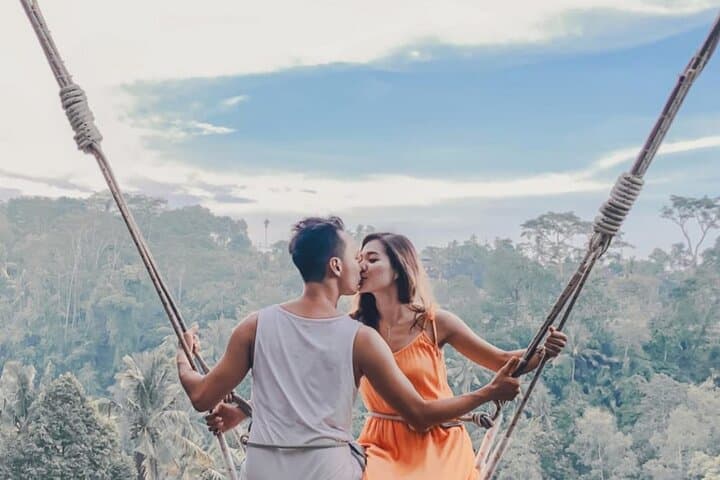
If you want fewer people in your frames, ask to visit the falls first and finish at Tegalalang, where the swing experience offers a breath of adrenaline and a sweeping view of paddies.
This route is approachable but active: be ready to climb, wade and step carefully. With the right prep, the day delivers a cross-section of Bali’s geology, agriculture and village life—each waterfall daring you to step closer, each terrace pushing your eyes out across a centuries-old practice of growing rice.
moderate.
6–8 hours.
Suitable for travelers in average physical condition who can manage uneven steps, short hikes and shallow stream wading.
Yes—pickup from many Ubud-area hotels is included; confirm exact time and location when you book.
You can usually swim at Tibumana and some pools at Kanto Lampo; Tukad Cepung involves wading and depends on seasonal water levels—follow your guide’s advice.
The tour includes listed entry tickets (Kanto Lampo, Tibumana, Tukad Cepung and Tegalalang) and parking fees as noted in the inclusions.
Late morning when sunbeams penetrate the cave opening—early pickup increases your chance of catching this light before crowds arrive.
Yes if they are steady on uneven terrain; it’s not recommended for people with serious mobility or spinal issues—check the tour's restrictions first.
Tipping is customary for good service; small cash tips to guides and drivers are appreciated and commonly expected.
The Tegalalang terraces are worked using the subak irrigation system, a cooperative water-management method rooted in Balinese Hindu tradition and centuries of rice farming.
Stick to marked paths, avoid trampling young rice shoots, and carry out any trash; local communities depend on clean water and minimal erosion to maintain these landscapes.
Bali Hiking Tour operates guided outdoor trips and adventures with an emphasis on safety, stewardship, and memorable experiences.
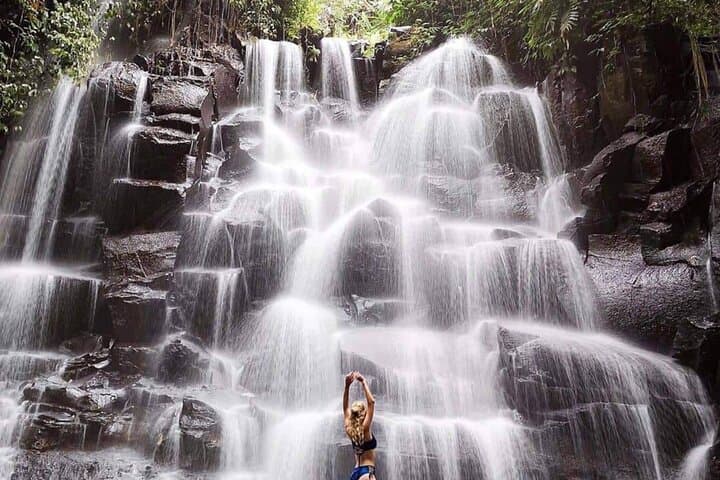
The morning light arrives soft and low over the hills outside Ubud, turning the rice terraces a hard, glittering green. You step from an air-conditioned van into humidity that smells of wet earth and coffee, and the first sound is water—not the distant ocean but the immediate rush of a cascade. At Kanto Lampo the falls spill over banded volcanic rock; you can stand under the thinner curtains of water and let the stream push a steady, clean cadence into your shoulders.
The morning light arrives soft and low over the hills outside Ubud, turning the rice terraces a hard, glittering green. You step from an air-conditioned van into humidity that smells of wet earth and coffee, and the first sound is water—not the distant ocean but the immediate rush of a cascade. At Kanto Lampo the falls spill over banded volcanic rock; you can stand under the thinner curtains of water and let the stream push a steady, clean cadence into your shoulders.
This private day tour stitches together some of central Bali’s most cinematic landscapes: tiered subak rice paddies, rainforest gullies, and a cavernous waterfall that funnels sunlight into beams. The Tegalalang Rice Terraces offer a working landscape as much as a view—the subak system here dates back centuries and reflects Bali’s communal approach to irrigation and rice farming. The waterfalls—Kanto Lampo, Tibumana and Tukad Cepung—are products of Bali’s volcanic geology and tropical rainfall, carving through basalt and creating plunge pools beneath curtains of foliage.
Culturally, Ubud sits at Bali’s creative and spiritual core. Guides on this route will often point out small family temples, rice-shaping techniques and the communal cooperation that keeps terraces irrigated. Tukad Cepung, hidden inside a cliff throat, becomes a lightbox at the right hour; locals still fish and swim at these pools, and you’ll likely share the water with village families.
Practicalities: the tour runs about eight hours (pick-up times vary by area) and includes entrance fees to every stop, bottled water and hotel pickup. Expect short hikes—rocky, sometimes slippery staircases and a shallow stream crossing at Tukad Cepung—and swimming at Tibumana if you choose. Footing can be uneven, and sections near the falls are wet.
Timing matters. Aim for early pickup to beat the midday crowds and catch the cave light at Tukad Cepung; late afternoons bring softer light over Tegalalang but can be busier. Bring sturdy sandals or light hiking shoes, a quick-dry shirt, a swimsuit and a lightweight waterproof layer. Carry cash—small vendors sell coffee, snacks and swing photos—and a dry bag for electronics.
If you want fewer people in your frames, ask to visit the falls first and finish at Tegalalang, where the swing experience offers a breath of adrenaline and a sweeping view of paddies.
This route is approachable but active: be ready to climb, wade and step carefully. With the right prep, the day delivers a cross-section of Bali’s geology, agriculture and village life—each waterfall daring you to step closer, each terrace pushing your eyes out across a centuries-old practice of growing rice.