THE ADVENTURE COLLECTIVE® · Independent discovery and booking for outdoor travel

Drop into the Ayung River for a private 2‑hour rafting run from Ubud—Class II–III rapids, riverside temples, and a post-run lunch. Fast, scenic, and ideal for travelers with a moderate level of fitness.
Drop into the Ayung River for a private 2‑hour rafting run from Ubud—Class II–III rapids, riverside temples, and a post-run lunch. Fast, scenic, and ideal for travelers with a moderate level of fitness.
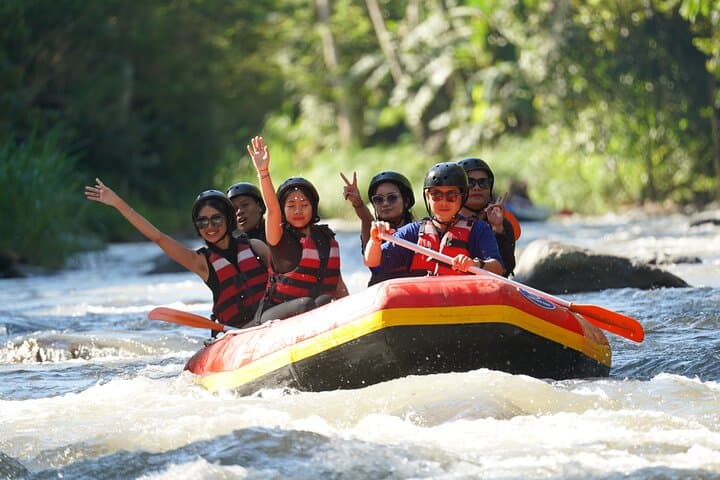
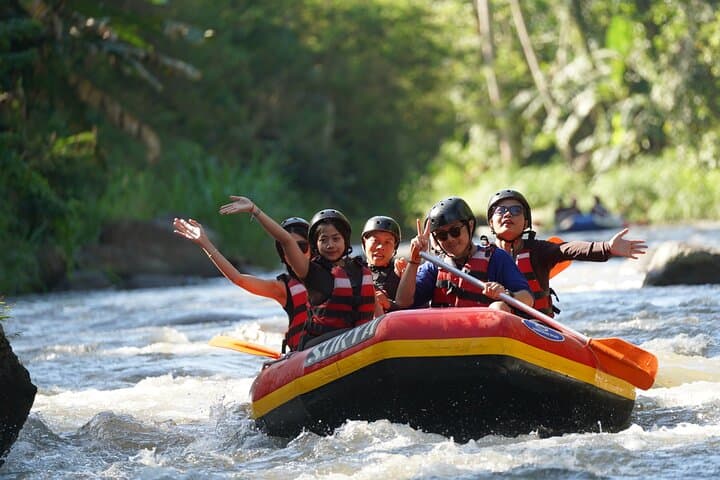
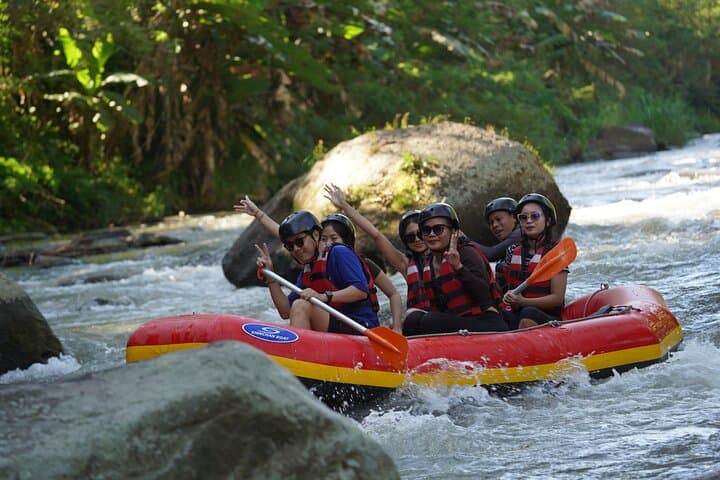
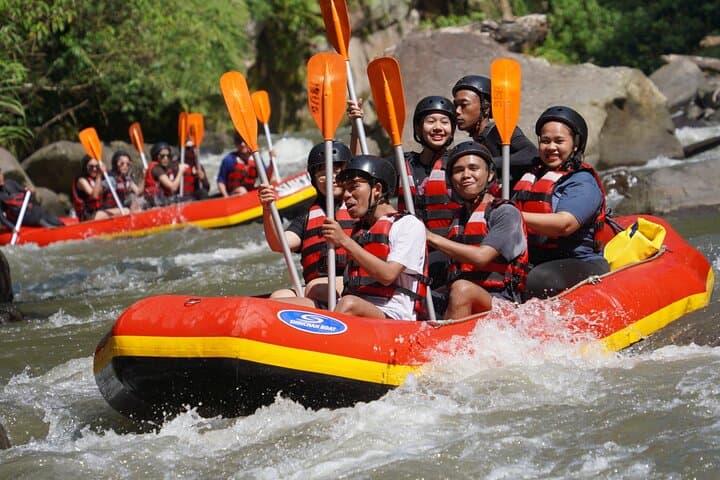
You push off from the riverbank and the current takes the oar for a moment, nudging the boat toward a rocky throat where water narrows and the river’s mood changes. Trees press in close; leaves slap the surface. Your guide calls commands—paddle left, brace—while a spray of cool water hits your face and the sound of the valley closes around you.
Verified experiences and guided adventures in the surrounding area.
Operated by Kande Putra · Ubud, Bali
You push off from the riverbank and the current takes the oar for a moment, nudging the boat toward a rocky throat where water narrows and the river’s mood changes. Trees press in close; leaves slap the surface. Your guide calls commands—paddle left, brace—while a spray of cool water hits your face and the sound of the valley closes around you.
This private rafting run out of Ubud puts you on one of Bali’s most accessible whitewater ribbons. The stretch commonly operated by outfitters follows the Ayung River through a shallow gorge carved from volcanic rock, where the gradient and boulder-strewn channel produce a lively series of class II–III rapids. The landscape changes quickly: rice terraces and small family temples above the banks, a cliffside naga (serpent) statue here, a hidden spring-fed cascade there. Centuries of farming and ritual are visible in the terraces and small shrines that line the approach roads, giving the run a strong cultural backdrop even as the river dares you forward.
Geologically, the river is a young feature in volcanic Bali—rain-fed and seasonal, it channels runoff from the central highlands. Locals in Payangan and villages around Ubud have long used these valleys for irrigation; commercial rafting appeared as tourism expanded in the 1990s, drawing adrenaline seekers to the gorge while providing income for riverside communities.
Practicalities are simple and direct. The trip runs about 2 hours total, with roughly 6–9 km of river time depending on water levels. Outfitters provide helmets, life jackets and a safety briefing before launch; lunch is included after the run. Expect a moderate-to-challenging workout—rapids require coordinated paddling and you’ll climb in and out of boats on uneven riverbanks. The operator’s policy excludes passengers with serious heart conditions, pregnancy, or spinal problems.
Timing matters: the dry season (approximately May–September) offers clearer skies and more predictable currents; the wet season brings higher flows, livelier rapids, and slipperier approaches. Waterproof your phone, wear secure footwear, and pack a change of clothes—there’s time for a quick rinse and a warm lunch afterward. If you want fewer boats on the water, aim for an early weekday departure from Ubud.
This is an experience for travelers who want hands-on action with a cultural pulse—river runs that test teamwork and reflexes, then deposit you back into Ubud’s rice-field calm. The water doesn’t wait; it pushes you forward, and the valley keeps its stories close to the banks.
challenging.
2 hours (total); 60–90 minutes on the river.
Participants should have moderate fitness—comfortable climbing, paddling, and quick recovery from a brief exertion.
The total booking time is about 2 hours, with approximately 60–90 minutes on the river depending on water levels.
Yes—this is a guided run suitable for first-timers who can follow paddle commands; life jackets and helmets are provided.
Yes—the operator supplies helmets, life jackets, lockers, and lunch after the run.
Age restrictions vary by operator; check the booking details but expect a minimum age and weight limits for safety.
Don’t bring loose valuables without protection—use provided lockers or a dry bag; avoid heavy jewelry that could snag.
Dry season (May–September) is the most predictable; wet season increases flows and rapid intensity but can be more exciting.
The Ayung River valley has supported irrigation and small-scale rice farming for centuries; rafting arrived as tourism expanded in the 1990s and now contributes income to nearby villages.
Operators increasingly follow leave-no-trace practices and limit riverside waste; choose companies that support local cleanups and community projects.
Kande Putra operates guided outdoor trips and adventures with an emphasis on safety, stewardship, and memorable experiences.
You push off from the riverbank and the current takes the oar for a moment, nudging the boat toward a rocky throat where water narrows and the river’s mood changes. Trees press in close; leaves slap the surface. Your guide calls commands—paddle left, brace—while a spray of cool water hits your face and the sound of the valley closes around you.
You push off from the riverbank and the current takes the oar for a moment, nudging the boat toward a rocky throat where water narrows and the river’s mood changes. Trees press in close; leaves slap the surface. Your guide calls commands—paddle left, brace—while a spray of cool water hits your face and the sound of the valley closes around you.
This private rafting run out of Ubud puts you on one of Bali’s most accessible whitewater ribbons. The stretch commonly operated by outfitters follows the Ayung River through a shallow gorge carved from volcanic rock, where the gradient and boulder-strewn channel produce a lively series of class II–III rapids. The landscape changes quickly: rice terraces and small family temples above the banks, a cliffside naga (serpent) statue here, a hidden spring-fed cascade there. Centuries of farming and ritual are visible in the terraces and small shrines that line the approach roads, giving the run a strong cultural backdrop even as the river dares you forward.
Geologically, the river is a young feature in volcanic Bali—rain-fed and seasonal, it channels runoff from the central highlands. Locals in Payangan and villages around Ubud have long used these valleys for irrigation; commercial rafting appeared as tourism expanded in the 1990s, drawing adrenaline seekers to the gorge while providing income for riverside communities.
Practicalities are simple and direct. The trip runs about 2 hours total, with roughly 6–9 km of river time depending on water levels. Outfitters provide helmets, life jackets and a safety briefing before launch; lunch is included after the run. Expect a moderate-to-challenging workout—rapids require coordinated paddling and you’ll climb in and out of boats on uneven riverbanks. The operator’s policy excludes passengers with serious heart conditions, pregnancy, or spinal problems.
Timing matters: the dry season (approximately May–September) offers clearer skies and more predictable currents; the wet season brings higher flows, livelier rapids, and slipperier approaches. Waterproof your phone, wear secure footwear, and pack a change of clothes—there’s time for a quick rinse and a warm lunch afterward. If you want fewer boats on the water, aim for an early weekday departure from Ubud.
This is an experience for travelers who want hands-on action with a cultural pulse—river runs that test teamwork and reflexes, then deposit you back into Ubud’s rice-field calm. The water doesn’t wait; it pushes you forward, and the valley keeps its stories close to the banks.