THE ADVENTURE COLLECTIVE® · Independent discovery and booking for outdoor travel

A private, customizable full-day that threads Ubud’s signature landscapes—Tegalalang rice terraces, Tirta Empul’s holy springs, and a lineup of waterfalls and swings. Plan for a 10-hour day, pay entrances on the spot, and pick up tips for where to get the best photos and avoid the crowds.
A private, customizable full-day that threads Ubud’s signature landscapes—Tegalalang rice terraces, Tirta Empul’s holy springs, and a lineup of waterfalls and swings. Plan for a 10-hour day, pay entrances on the spot, and pick up tips for where to get the best photos and avoid the crowds.
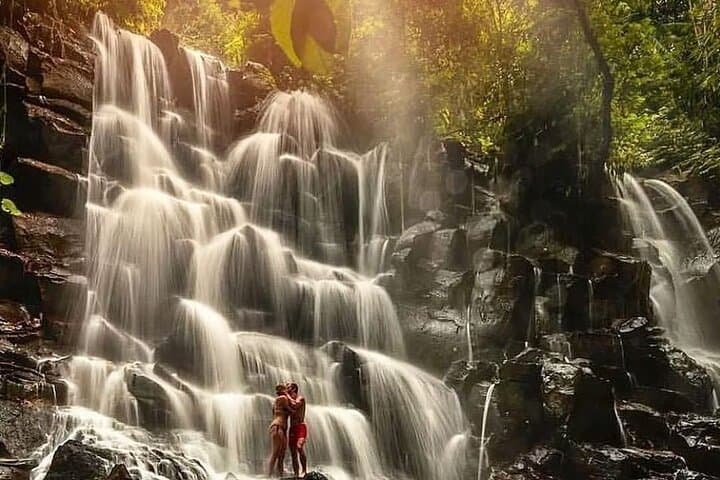
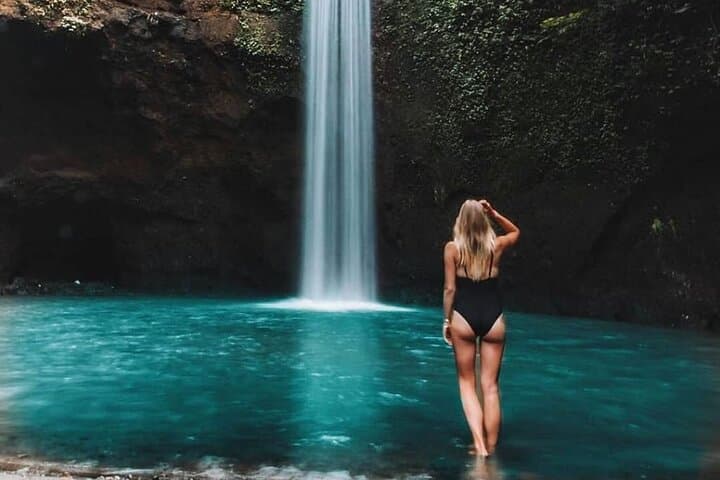
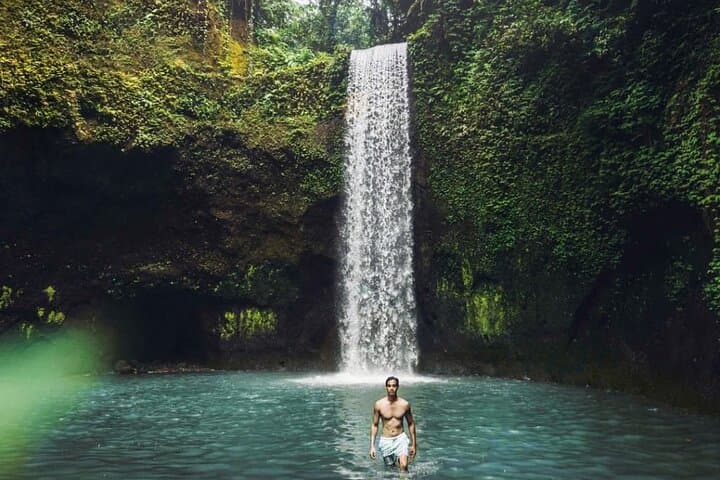
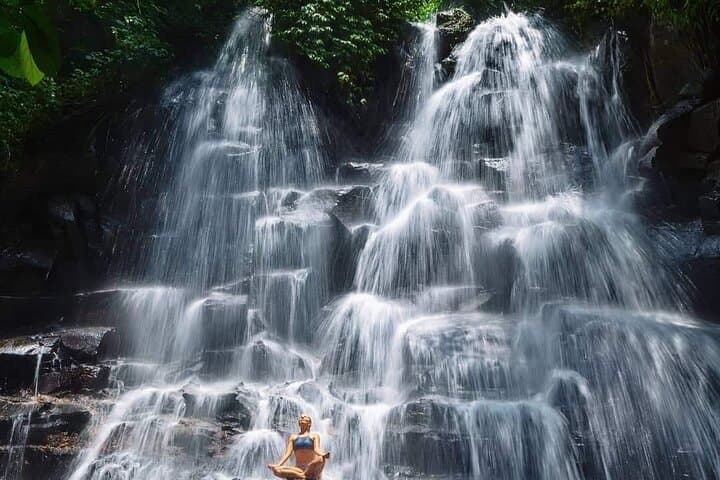
You arrive into a cool valley where the road narrows and the jungle leans close; the driver eases the van to a stop and the guide opens the door with a smile that promises a clear plan and an easy day. Within an hour the terraces at Tegalalang spill into view—rows of bright green steps clinging to the hillside like cultivated waves—and the clack of local scooters fades into bird calls. Over ten hours you trade one postcard view for another: sacred cleansing pools at Tirta Empul, a coffee plantation that smells of roasted beans, the stepped curtain of Kanto Lampo, and the quieter twin drop of Tibumana. Each site has its own rhythm; the rice paddies breathe slowly, the waterfalls dare you closer, and the monkeys of the Ubud Forest keep a mischievous watch.
Verified experiences and guided adventures in the surrounding area.
Operated by Bali Sunrise Hike · Ubud, Bali
You arrive into a cool valley where the road narrows and the jungle leans close; the driver eases the van to a stop and the guide opens the door with a smile that promises a clear plan and an easy day. Within an hour the terraces at Tegalalang spill into view—rows of bright green steps clinging to the hillside like cultivated waves—and the clack of local scooters fades into bird calls. Over ten hours you trade one postcard view for another: sacred cleansing pools at Tirta Empul, a coffee plantation that smells of roasted beans, the stepped curtain of Kanto Lampo, and the quieter twin drop of Tibumana. Each site has its own rhythm; the rice paddies breathe slowly, the waterfalls dare you closer, and the monkeys of the Ubud Forest keep a mischievous watch.
Ubud sits on volcanic soils carved by centuries of rice culture. The cascading terraces at Tegalalang follow subak, Bali’s communal irrigation system, a cooperative model dating to the 9th–10th centuries that still shapes landscape and ritual. Tirta Empul, fed by a natural spring, has been a spiritual center since the 10th century—locals and visitors alike practice ritual purification in its pools. The waterfalls are younger features in tourism terms; narrow tracks and carved steps take you down into limestone and basalt gullies where clear plunge pools reflect a high-canopy green.
Practical layout: the private tour runs about 10 hours (start times adjustable; pickup included). Note the operator limits visits to roughly six stops in a day—entrance fees, swing tickets, rafting and hot springs are extra, and you should carry cash in Indonesian rupiah for small vendors and local parking fees. Expect short, uneven hikes—many waterfalls require a 10–25 minute descent over stone steps and slick rock; terraces are accessed via stairs and narrow lanes; watch your footing.
Tips to plan: rise early to beat the crowds and get softer light for photos; bring swimwear if you want to wade under falls; pack a lightweight rain jacket during the wet season and a dry bag for electronics. In the Monkey Forest, keep cameras and shiny items tucked away—the macaques are curious and bold. Finally, because the itinerary is customizable and private, confirm which six sites you prefer ahead of time (swings, temples, markets, or more waterfall time).
For travelers who want a compact sampler of Ubud’s landscapes, culture and food, this private full-day route is efficient and flexible—just be prepared with sensible shoes, small change, and an appetite for climbing a few steps in exchange for some of Bali’s clearest rewards.
moderate.
10 hours.
Moderate—able to walk 10–30 minutes on uneven steps at waterfalls and stand for photos; not technically demanding.
No—entrances to temples, swings, hot springs and rafting are not included; guides can advise current prices and collect on-site.
Yes—pickup from hotels or villas in Bali is included; confirm your exact pickup point and allow about 60 minutes before departure.
Generally yes, but supervise children closely and avoid carrying food or shiny items; follow the guide’s instructions around macaques.
Yes—the tour is private and customizable within the six-stop maximum; tell the operator your priority sites when booking.
Bring a sarong (can be rented locally) and a change of clothes; wear modest attire and prepare a small fee for offerings/entry.
Bottled water is included; lunch is at a local restaurant and not included in the base price—your guide will recommend options and prices.
Ubud’s agricultural terraces are managed under the subak cooperative system centuries old; Tirta Empul has been a ritual bathing site since the 10th century.
Stick to marked paths, avoid feeding wildlife, and use refillable water bottles where possible—the area manages visitor impact through localized fees and community stewardship.
Bali Sunrise Hike operates guided outdoor trips and adventures with an emphasis on safety, stewardship, and memorable experiences.
You arrive into a cool valley where the road narrows and the jungle leans close; the driver eases the van to a stop and the guide opens the door with a smile that promises a clear plan and an easy day. Within an hour the terraces at Tegalalang spill into view—rows of bright green steps clinging to the hillside like cultivated waves—and the clack of local scooters fades into bird calls. Over ten hours you trade one postcard view for another: sacred cleansing pools at Tirta Empul, a coffee plantation that smells of roasted beans, the stepped curtain of Kanto Lampo, and the quieter twin drop of Tibumana. Each site has its own rhythm; the rice paddies breathe slowly, the waterfalls dare you closer, and the monkeys of the Ubud Forest keep a mischievous watch.
You arrive into a cool valley where the road narrows and the jungle leans close; the driver eases the van to a stop and the guide opens the door with a smile that promises a clear plan and an easy day. Within an hour the terraces at Tegalalang spill into view—rows of bright green steps clinging to the hillside like cultivated waves—and the clack of local scooters fades into bird calls. Over ten hours you trade one postcard view for another: sacred cleansing pools at Tirta Empul, a coffee plantation that smells of roasted beans, the stepped curtain of Kanto Lampo, and the quieter twin drop of Tibumana. Each site has its own rhythm; the rice paddies breathe slowly, the waterfalls dare you closer, and the monkeys of the Ubud Forest keep a mischievous watch.
Ubud sits on volcanic soils carved by centuries of rice culture. The cascading terraces at Tegalalang follow subak, Bali’s communal irrigation system, a cooperative model dating to the 9th–10th centuries that still shapes landscape and ritual. Tirta Empul, fed by a natural spring, has been a spiritual center since the 10th century—locals and visitors alike practice ritual purification in its pools. The waterfalls are younger features in tourism terms; narrow tracks and carved steps take you down into limestone and basalt gullies where clear plunge pools reflect a high-canopy green.
Practical layout: the private tour runs about 10 hours (start times adjustable; pickup included). Note the operator limits visits to roughly six stops in a day—entrance fees, swing tickets, rafting and hot springs are extra, and you should carry cash in Indonesian rupiah for small vendors and local parking fees. Expect short, uneven hikes—many waterfalls require a 10–25 minute descent over stone steps and slick rock; terraces are accessed via stairs and narrow lanes; watch your footing.
Tips to plan: rise early to beat the crowds and get softer light for photos; bring swimwear if you want to wade under falls; pack a lightweight rain jacket during the wet season and a dry bag for electronics. In the Monkey Forest, keep cameras and shiny items tucked away—the macaques are curious and bold. Finally, because the itinerary is customizable and private, confirm which six sites you prefer ahead of time (swings, temples, markets, or more waterfall time).
For travelers who want a compact sampler of Ubud’s landscapes, culture and food, this private full-day route is efficient and flexible—just be prepared with sensible shoes, small change, and an appetite for climbing a few steps in exchange for some of Bali’s clearest rewards.