THE ADVENTURE COLLECTIVE® · Independent discovery and booking for outdoor travel

Swim through a hidden cave waterfall in Wadi Shab, peer into the emerald bowl of Bimmah Sinkhole, ride the dunes of Wahiba Sands, and climb into the cool terraces of Jebel Akhdar—all in two efficient days. This private 4WD tour balances adventure with access, culture with comfort.
Swim through a hidden cave waterfall in Wadi Shab, peer into the emerald bowl of Bimmah Sinkhole, ride the dunes of Wahiba Sands, and climb into the cool terraces of Jebel Akhdar—all in two efficient days. This private 4WD tour balances adventure with access, culture with comfort.
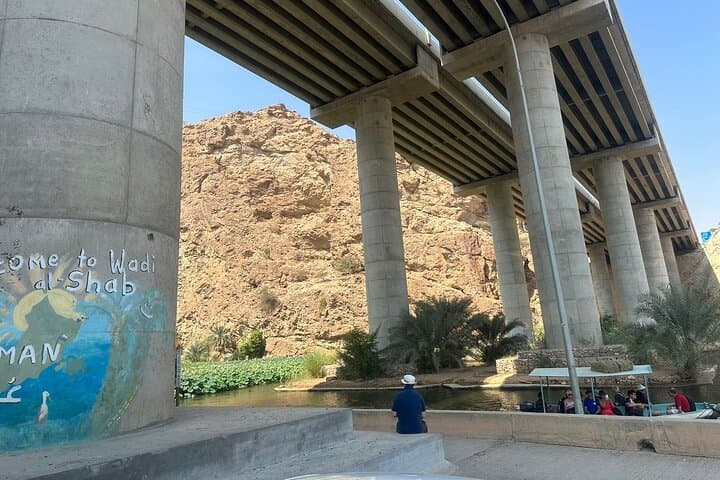
The day begins with the coast unfurling east of Muscat, cliffs shouldering the Gulf of Oman as the road tracks wadis toward the mountains. At Wadi Shab, the canyon opens like a promise. Date palms lean over turquoise pools. The path—stony, uneven, and honest—threads through gardens and along a stream that chatters over rock, daring you to step in. Forty minutes of steady walking leads to a chain of pools where the water nudges you forward; swim a few lengths, slip through the narrow “keyhole,” and the cave answers with a hidden waterfall echoing off limestone. It’s a natural amphitheater that rewards those willing to get wet.
Verified experiences and guided adventures in the surrounding area.
Operated by Oman Tour Guide · Muscat, Muscat Governorate
The day begins with the coast unfurling east of Muscat, cliffs shouldering the Gulf of Oman as the road tracks wadis toward the mountains. At Wadi Shab, the canyon opens like a promise. Date palms lean over turquoise pools. The path—stony, uneven, and honest—threads through gardens and along a stream that chatters over rock, daring you to step in. Forty minutes of steady walking leads to a chain of pools where the water nudges you forward; swim a few lengths, slip through the narrow “keyhole,” and the cave answers with a hidden waterfall echoing off limestone. It’s a natural amphitheater that rewards those willing to get wet.
A short hop north finds Hawiyat Najm—Bimmah Sinkhole—where a limestone roof gave way to reveal a milky-green bowl. Midday sun paints the water electric; locals wade, tiny fish tickle, and the sea’s presence hums just beyond. Then the highway gives way to dunes as you enter the Wahiba Sands. Waves of saffron sand roll to the horizon, the desert breathing under the tires of a 4WD. A Bedouin tent offers coffee and dates—sweet, smoky, and generous—while the wind combs the crests and the light turns the dunes into a moving map.
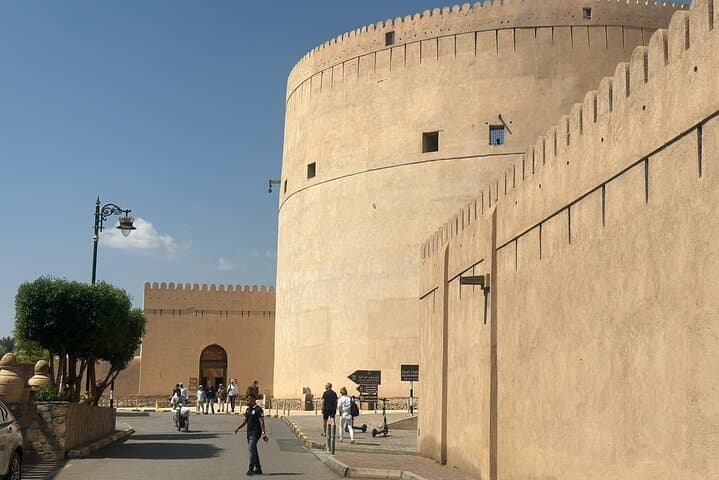
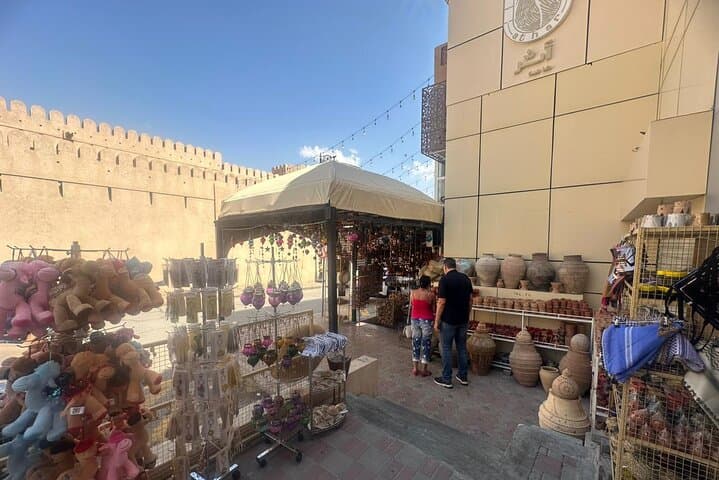
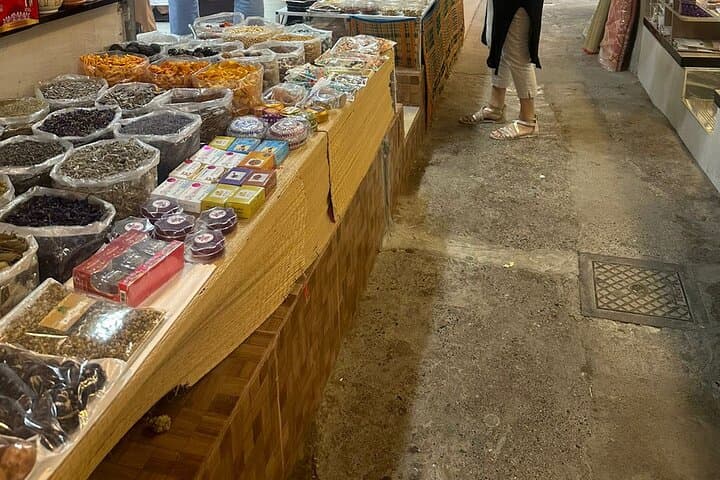
Day two lifts into the interior. Nizwa, once Oman’s capital and a trading hub on ancient caravan routes, centers around its 17th-century fort and a souq that still beats with daily commerce. Climb the fort’s broad stairways to the circular tower for views over palm groves and the Hajar range; defensive design meets photogenic geometry. Nearby Birkat Al Mouz introduces the aflaj, Oman’s gravity-fed irrigation channels (UNESCO-listed), still guiding water through orchards. The road then climbs steeply to Jebel Akhdar, the Green Mountain, where terraces stitch the slopes and villages perch at 2,000 meters. In spring, rose distilleries perfume the air; in summer, pomegranates redden the stalls. Even in heat, the plateau carries a cooler edge.
This two-day private tour keeps logistics tight—hotel pickup in Muscat, 4WD transport, bottled water, and a comfortable overnight—so your energy can stay on the terrain. Expect a 3–4 mile round-trip walk and swim at Wadi Shab, casual swims at Bimmah, dune tracks in Wahiba, stair climbs at Nizwa Fort, and short village walks on Jebel Akhdar. Footwear matters, hydration matters, and cultural respect matters. Pack quick-dry layers, bring modest swimwear, and keep a light scarf handy for sun and visits to traditional areas. The payoff is range: canyons that coax you into clear water, a sinkhole that catches the sky, desert that moves, and a mountain that grows gardens out of stone.
moderate.
2 days.
Comfortable walking on uneven terrain for 1–2 hours at a time, with swimming segments and stair climbs at the fort.
Plan on 40–50 minutes of walking each way plus 30–45 minutes of swimming to reach the cave waterfall.
You should be comfortable swimming short distances; flotation aids aren’t typically provided, so consider a compact swim buoy if unsure.
Yes. The tour uses a 4WD, which is required beyond the police checkpoint to access the Saiq Plateau.
A comfortable 3-star hotel with dinner and breakfast is included, offering simple, air-conditioned rooms and local meals.
Light, breathable clothing that covers shoulders and knees is appropriate; carry a scarf for additional coverage if needed.
October to April offers the most pleasant temperatures; spring brings rose blooms on Jebel Akhdar, while summer demands extra hydration and sun protection.
Nizwa Fort’s massive round tower dates to the 17th century under Imam Sultan bin Saif, guarding key caravan routes. Birkat Al Mouz’s aflaj irrigation is part of Oman’s UNESCO-listed water systems.
Pack out all trash, never apply soaps in wadis, and use mineral or reef-safe sunscreen to keep freshwater pools clear. Stay on established paths to protect terrace walls and fragile desert crust.
Oman Tour Guide operates guided outdoor trips and adventures with an emphasis on safety, stewardship, and memorable experiences.
The day begins with the coast unfurling east of Muscat, cliffs shouldering the Gulf of Oman as the road tracks wadis toward the mountains. At Wadi Shab, the canyon opens like a promise. Date palms lean over turquoise pools. The path—stony, uneven, and honest—threads through gardens and along a stream that chatters over rock, daring you to step in. Forty minutes of steady walking leads to a chain of pools where the water nudges you forward; swim a few lengths, slip through the narrow “keyhole,” and the cave answers with a hidden waterfall echoing off limestone. It’s a natural amphitheater that rewards those willing to get wet.
The day begins with the coast unfurling east of Muscat, cliffs shouldering the Gulf of Oman as the road tracks wadis toward the mountains. At Wadi Shab, the canyon opens like a promise. Date palms lean over turquoise pools. The path—stony, uneven, and honest—threads through gardens and along a stream that chatters over rock, daring you to step in. Forty minutes of steady walking leads to a chain of pools where the water nudges you forward; swim a few lengths, slip through the narrow “keyhole,” and the cave answers with a hidden waterfall echoing off limestone. It’s a natural amphitheater that rewards those willing to get wet.
A short hop north finds Hawiyat Najm—Bimmah Sinkhole—where a limestone roof gave way to reveal a milky-green bowl. Midday sun paints the water electric; locals wade, tiny fish tickle, and the sea’s presence hums just beyond. Then the highway gives way to dunes as you enter the Wahiba Sands. Waves of saffron sand roll to the horizon, the desert breathing under the tires of a 4WD. A Bedouin tent offers coffee and dates—sweet, smoky, and generous—while the wind combs the crests and the light turns the dunes into a moving map.
Day two lifts into the interior. Nizwa, once Oman’s capital and a trading hub on ancient caravan routes, centers around its 17th-century fort and a souq that still beats with daily commerce. Climb the fort’s broad stairways to the circular tower for views over palm groves and the Hajar range; defensive design meets photogenic geometry. Nearby Birkat Al Mouz introduces the aflaj, Oman’s gravity-fed irrigation channels (UNESCO-listed), still guiding water through orchards. The road then climbs steeply to Jebel Akhdar, the Green Mountain, where terraces stitch the slopes and villages perch at 2,000 meters. In spring, rose distilleries perfume the air; in summer, pomegranates redden the stalls. Even in heat, the plateau carries a cooler edge.
This two-day private tour keeps logistics tight—hotel pickup in Muscat, 4WD transport, bottled water, and a comfortable overnight—so your energy can stay on the terrain. Expect a 3–4 mile round-trip walk and swim at Wadi Shab, casual swims at Bimmah, dune tracks in Wahiba, stair climbs at Nizwa Fort, and short village walks on Jebel Akhdar. Footwear matters, hydration matters, and cultural respect matters. Pack quick-dry layers, bring modest swimwear, and keep a light scarf handy for sun and visits to traditional areas. The payoff is range: canyons that coax you into clear water, a sinkhole that catches the sky, desert that moves, and a mountain that grows gardens out of stone.