THE ADVENTURE COLLECTIVE® · Independent discovery and booking for outdoor travel

From Petra's carved facades to a moonlit Bedouin camp in Wadi Rum and a buoyant afternoon at the Dead Sea, this two-day private tour compresses Jordan's signature landscapes into an active, practical itinerary. Expect long drives, a 4x4 desert run, and a deluxe camp night under the stars.
From Petra's carved facades to a moonlit Bedouin camp in Wadi Rum and a buoyant afternoon at the Dead Sea, this two-day private tour compresses Jordan's signature landscapes into an active, practical itinerary. Expect long drives, a 4x4 desert run, and a deluxe camp night under the stars.
The air inside Petra's Siq narrows to a cool, stone corridor and then, without ceremony, the Treasury appears—a carved façade catching sunlight like a secret revealed. Footsteps soften on ancient cobbles; guides point to Nabatean inscriptions, and the city that once controlled trade routes stretches beyond in a sculpted canyon. That first-day hush is replaced two hours later by the low rumble of a 4x4 carving tracks across Wadi Rum's ochre plains, where wind has shaped cliffs into archways and the stars stake out the sky with a clarity city nights have forgotten. On day two the landscape flips again—the world tilts toward the Dead Sea and the water, impossibly buoyant, waits below sea level like a warm, salty basin that insists you lie back and float.
Verified experiences and guided adventures in the surrounding area.
Operated by Jordan Visit Tour · Amman, Amman Governorate
The air inside Petra's Siq narrows to a cool, stone corridor and then, without ceremony, the Treasury appears—a carved façade catching sunlight like a secret revealed. Footsteps soften on ancient cobbles; guides point to Nabatean inscriptions, and the city that once controlled trade routes stretches beyond in a sculpted canyon. That first-day hush is replaced two hours later by the low rumble of a 4x4 carving tracks across Wadi Rum's ochre plains, where wind has shaped cliffs into archways and the stars stake out the sky with a clarity city nights have forgotten. On day two the landscape flips again—the world tilts toward the Dead Sea and the water, impossibly buoyant, waits below sea level like a warm, salty basin that insists you lie back and float.
Petra's red sandstone was cut and adapted by the Nabateans from the 4th century BCE onward; the Siq is a natural gorge the city harnessed for defense and ritual approach. Wadi Rum is a geological library of Cambrian sandstone and granite, wind-carved into steep inselbergs and sweeping dunes. The Dead Sea's hyper-salinity and mineral mud have made it a destination for millennia: a place of biblical reference, therapeutic bathing, and alarming shoreline retreat as regional water use drops inflows.
Culturally the trip moves fast: from Petra's archaeological storytelling to Bedouin hospitality at Wadi Rum—expect a two-hour Jeep tour, a Zarb (underground oven) dinner, and a night in a deluxe tent under brilliant stars—then a resort day at the Dead Sea with pools, mud treatments, and a leisurely lunch. The tour operates from Amman; plan for long drives—Amman to Petra is roughly 3 hours by road, Petra to Wadi Rum about 1.5–2 hours, and the Dead Sea return takes about an hour to 1.5 hours back toward Amman depending on route.
Practical guidance: buy the Jordan Pass before you go to bundle entry fees and save time at Petra; carry at least 2–3 liters of water per person per day and use sun protection—the desert and Dead Sea reflect strong UV. Sturdy walking shoes with good grip are essential for Petra's cobbles and Wadi Rum's rocky approaches; pack swimwear and a quick-dry towel for the Dead Sea. Time your Petra visit for early morning or late afternoon light to avoid crowds and heat; Wadi Rum is best at sunrise or after sunset when sand cools and colors deepen. Respect Bedouin camp rules, minimize single-use plastic, and take mud and sunscreen residue into resort showers—Dead Sea facilities often provide rinsing stations.
This two-day private loop compresses Jordan's most elemental landscapes into a compact, practical adventure: ancient stone, desert wind, and buoyant water—each environment with its own rhythms and simple rules for staying comfortable and leaving it intact.
moderate.
2 days (approx. 48 hours).
Moderate fitness required: able to walk on uneven ground for several hours and handle long vehicle transfers.
Yes—buying the Jordan Pass before arrival bundles entry to Petra and other sites, often saving money and skipping some ticket lines.
This tour does not include Petra entrance fees; the Jordan Pass covers park entry for most visitors and is recommended.
The tour includes walking on uneven surfaces for several hours (Petra) and short hikes in Wadi Rum; a moderate fitness level is sufficient.
You’ll stay in a deluxe tent with basic comforts; facilities vary by camp but most offer bedding, private or shared bathrooms, and warm meals.
Yes—floating is safe for most; avoid splashing, keep cuts covered, and rinse off thoroughly because the salt is highly concentrated.
Yes—pickup from Amman and Amman Airport can be arranged; confirm pickup details when booking.
Petra was the Nabatean capital and a critical caravan hub; Wadi Rum has been inhabited and traversed by Bedouin communities for centuries.
Wadi Rum’s desert crust and Petra’s sandstone are fragile—stay on paths, minimize plastic, and avoid scraping rock. The Dead Sea is receding; support local conservation by choosing responsible resorts and mindful water use.
Jordan Visit Tour operates guided outdoor trips and adventures with an emphasis on safety, stewardship, and memorable experiences.
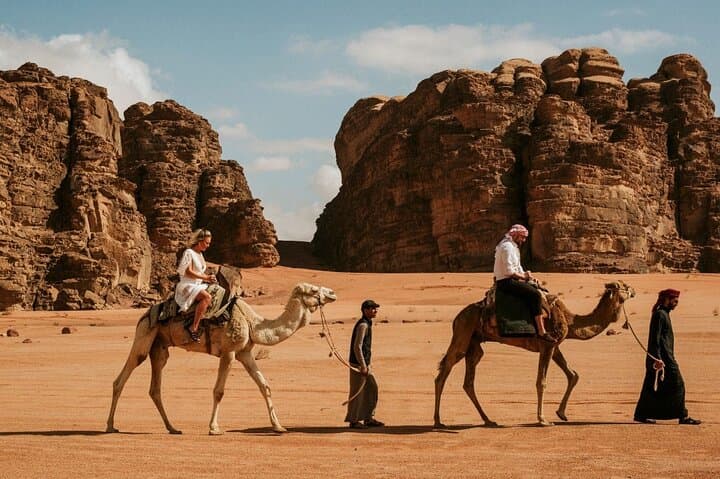
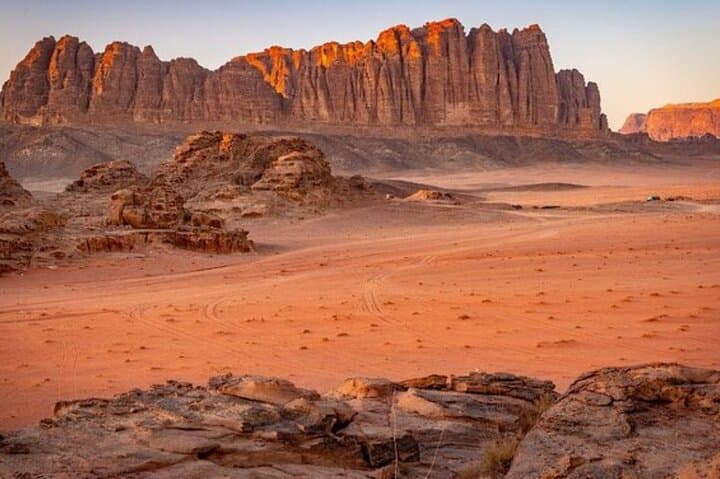
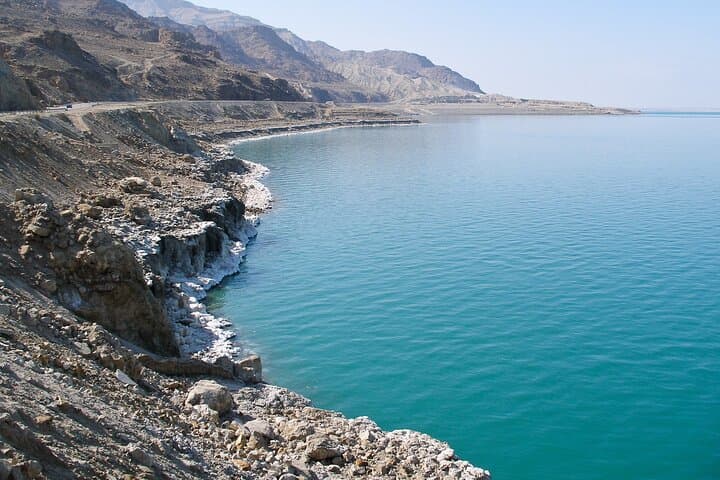
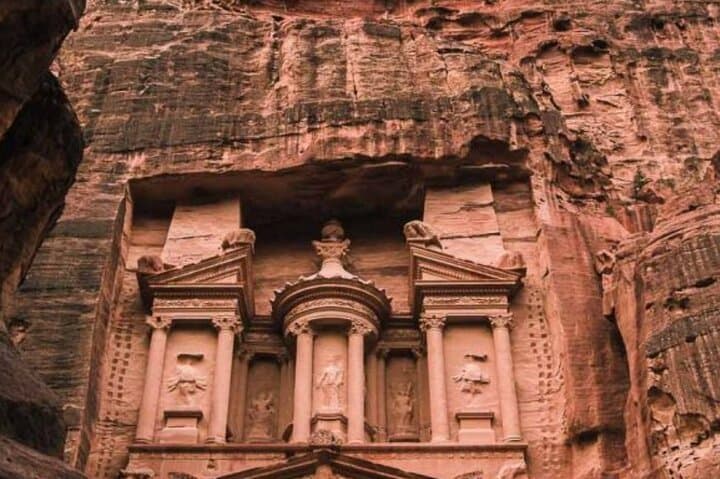
The air inside Petra's Siq narrows to a cool, stone corridor and then, without ceremony, the Treasury appears—a carved façade catching sunlight like a secret revealed. Footsteps soften on ancient cobbles; guides point to Nabatean inscriptions, and the city that once controlled trade routes stretches beyond in a sculpted canyon. That first-day hush is replaced two hours later by the low rumble of a 4x4 carving tracks across Wadi Rum's ochre plains, where wind has shaped cliffs into archways and the stars stake out the sky with a clarity city nights have forgotten. On day two the landscape flips again—the world tilts toward the Dead Sea and the water, impossibly buoyant, waits below sea level like a warm, salty basin that insists you lie back and float.
The air inside Petra's Siq narrows to a cool, stone corridor and then, without ceremony, the Treasury appears—a carved façade catching sunlight like a secret revealed. Footsteps soften on ancient cobbles; guides point to Nabatean inscriptions, and the city that once controlled trade routes stretches beyond in a sculpted canyon. That first-day hush is replaced two hours later by the low rumble of a 4x4 carving tracks across Wadi Rum's ochre plains, where wind has shaped cliffs into archways and the stars stake out the sky with a clarity city nights have forgotten. On day two the landscape flips again—the world tilts toward the Dead Sea and the water, impossibly buoyant, waits below sea level like a warm, salty basin that insists you lie back and float.
Petra's red sandstone was cut and adapted by the Nabateans from the 4th century BCE onward; the Siq is a natural gorge the city harnessed for defense and ritual approach. Wadi Rum is a geological library of Cambrian sandstone and granite, wind-carved into steep inselbergs and sweeping dunes. The Dead Sea's hyper-salinity and mineral mud have made it a destination for millennia: a place of biblical reference, therapeutic bathing, and alarming shoreline retreat as regional water use drops inflows.
Culturally the trip moves fast: from Petra's archaeological storytelling to Bedouin hospitality at Wadi Rum—expect a two-hour Jeep tour, a Zarb (underground oven) dinner, and a night in a deluxe tent under brilliant stars—then a resort day at the Dead Sea with pools, mud treatments, and a leisurely lunch. The tour operates from Amman; plan for long drives—Amman to Petra is roughly 3 hours by road, Petra to Wadi Rum about 1.5–2 hours, and the Dead Sea return takes about an hour to 1.5 hours back toward Amman depending on route.
Practical guidance: buy the Jordan Pass before you go to bundle entry fees and save time at Petra; carry at least 2–3 liters of water per person per day and use sun protection—the desert and Dead Sea reflect strong UV. Sturdy walking shoes with good grip are essential for Petra's cobbles and Wadi Rum's rocky approaches; pack swimwear and a quick-dry towel for the Dead Sea. Time your Petra visit for early morning or late afternoon light to avoid crowds and heat; Wadi Rum is best at sunrise or after sunset when sand cools and colors deepen. Respect Bedouin camp rules, minimize single-use plastic, and take mud and sunscreen residue into resort showers—Dead Sea facilities often provide rinsing stations.
This two-day private loop compresses Jordan's most elemental landscapes into a compact, practical adventure: ancient stone, desert wind, and buoyant water—each environment with its own rhythms and simple rules for staying comfortable and leaving it intact.