THE ADVENTURE COLLECTIVE® · Independent discovery and booking for outdoor travel

A private two‑day sweep from Lisbon’s riverfront neighborhoods to Sintra’s painted palaces and the rugged cliffs of Cabo da Roca. Expect historic monuments, tight cobbled streets, coastal air and a paced, guide‑led route that fits sightseeing into two compact days.
A private two‑day sweep from Lisbon’s riverfront neighborhoods to Sintra’s painted palaces and the rugged cliffs of Cabo da Roca. Expect historic monuments, tight cobbled streets, coastal air and a paced, guide‑led route that fits sightseeing into two compact days.
You step out of an air‑conditioned van into a wind that smells faintly of salt and frying oil—Tagus on one side, tramlines and azulejo‑faced buildings on the other. On day one, Lisbon unfolds like a city that learned to reinvent itself: Manueline stonework leans into modern waterfront glass, fado threads through steep alleyways, and viewpoints prod you to stop and look back at the river. Your guide points to the Jerónimos Monastery and mentions Vasco da Gama; the stone seems to answer, patient as tidewater.
Verified experiences and guided adventures in the surrounding area.
Operated by Duca · Lisbon, Lisboa
You step out of an air‑conditioned van into a wind that smells faintly of salt and frying oil—Tagus on one side, tramlines and azulejo‑faced buildings on the other. On day one, Lisbon unfolds like a city that learned to reinvent itself: Manueline stonework leans into modern waterfront glass, fado threads through steep alleyways, and viewpoints prod you to stop and look back at the river. Your guide points to the Jerónimos Monastery and mentions Vasco da Gama; the stone seems to answer, patient as tidewater.
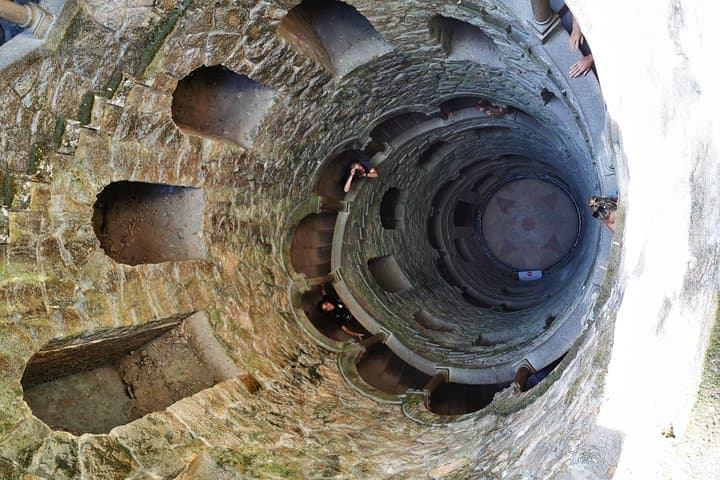
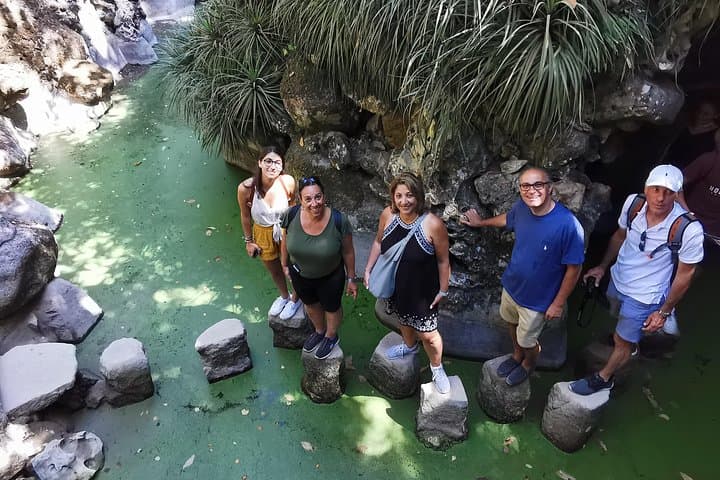
By day two the landscape changes quickly. Sintra’s granite hills rise from the plain, palms and eucalyptus elbowing the skyline as the fairy‑tale turrets of Pena Palace puncture cloud. The geology here—ancient igneous outcrops capped with soil that traps moisture—creates a green microclimate rare for coastal Portugal. Pena sits atop one of those crags at roughly 500 meters, a painted crown that watches over mossed pathways and carved wells where the Quinta da Regaleira’s rituals feel intentionally theatrical.
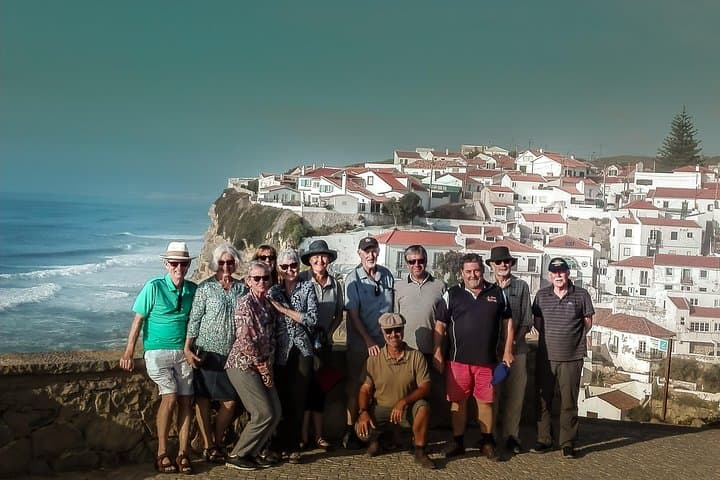
History is never far away: the Manueline ornament grew from Portugal’s Age of Discovery; the 1755 earthquake reshaped Lisbon’s layout and left conscious scars in the city’s reconstruction. On the coast, Cabo da Roca declares itself the westernmost point of continental Europe—waves batter cliffs and a lighthouse keeps its slow, deliberate watch. Cascais, once a fishing village, now balances marina leisure with narrow streets where pastéis de nata still steam from oven doors.
This private two‑day itinerary packs those contrasts into practical slices. Expect walking on uneven cobbles and short uphill sections in Sintra; distances are modest—Lisbon to Sintra roughly 30 km, Sintra to Cabo da Roca about 18 km, Cabo da Roca to Cascais around 20 km—so travel time is short but sightseeing dense. Guides typically handle monument logistics and can include Pena Palace tickets, but confirm entrance times in advance to avoid peak crowds.
For planning: start early to catch cooler air and quieter sites, wear grippy shoes for cobblestones and castle steps, and bring layers—the coast can be breezy even after a sunny Lisboa morning. Hydrate, use sun protection, and carry small change for local treats. Because the tour is private, it’s easy to adjust pace: linger at a cliff edge, take a side street for a pastry, or skip a monument for an extra hour in a seaside town.
The result is a compact lesson in Portugal’s topography and temperament—urban riverfront energy, romantic hilltop architecture, and Atlantic cliffs that insist you look west and measure distance by horizon.
easy.
2 days.
Moderate mobility and basic fitness; comfortable walking for 1–3 hours each day with short uphill sections in Sintra.
Yes—private pickup across the Greater Lisbon area is included; share your hotel name and address after booking.
Guides can include tickets to Pena Palace or other monuments on request; confirm when booking to secure timed entries.
Infants and small children are accommodated and stroller access is noted, but some palace paths and Sintra streets have steps.
Comfortable, supportive shoes for cobbles, layered clothing for coastal winds, and sun protection in summer.
Sintra can be busy midday—arriving early or late afternoon reduces crowds; private tours can adjust timing accordingly.
Yes—guides can recommend stops for local snacks and accommodate dietary requests; notify operator at booking.
Sintra’s palace cluster reflects centuries of aristocratic and royal patronage; Lisbon’s Manueline monuments celebrate Portugal’s maritime age and were rebuilt selectively after the 1755 earthquake.
Much of the Sintra‑Cascais corridor is protected under Natura 2000; stick to marked trails, avoid trampling vegetation and minimize single‑use plastics.
Duca operates guided outdoor trips and adventures with an emphasis on safety, stewardship, and memorable experiences.
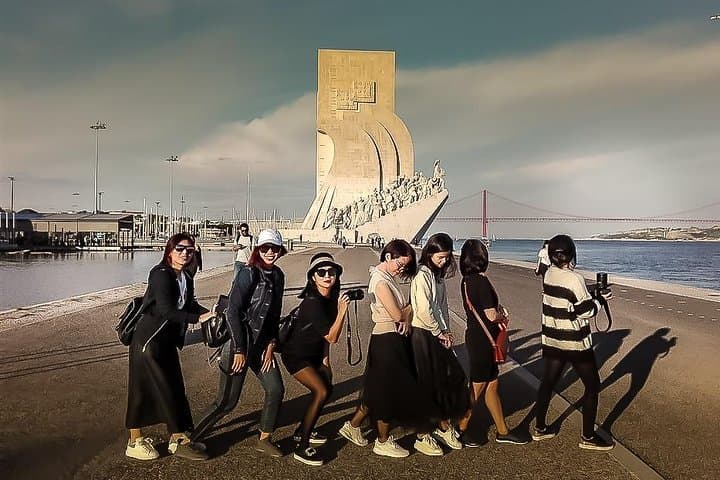
You step out of an air‑conditioned van into a wind that smells faintly of salt and frying oil—Tagus on one side, tramlines and azulejo‑faced buildings on the other. On day one, Lisbon unfolds like a city that learned to reinvent itself: Manueline stonework leans into modern waterfront glass, fado threads through steep alleyways, and viewpoints prod you to stop and look back at the river. Your guide points to the Jerónimos Monastery and mentions Vasco da Gama; the stone seems to answer, patient as tidewater.
You step out of an air‑conditioned van into a wind that smells faintly of salt and frying oil—Tagus on one side, tramlines and azulejo‑faced buildings on the other. On day one, Lisbon unfolds like a city that learned to reinvent itself: Manueline stonework leans into modern waterfront glass, fado threads through steep alleyways, and viewpoints prod you to stop and look back at the river. Your guide points to the Jerónimos Monastery and mentions Vasco da Gama; the stone seems to answer, patient as tidewater.
By day two the landscape changes quickly. Sintra’s granite hills rise from the plain, palms and eucalyptus elbowing the skyline as the fairy‑tale turrets of Pena Palace puncture cloud. The geology here—ancient igneous outcrops capped with soil that traps moisture—creates a green microclimate rare for coastal Portugal. Pena sits atop one of those crags at roughly 500 meters, a painted crown that watches over mossed pathways and carved wells where the Quinta da Regaleira’s rituals feel intentionally theatrical.
History is never far away: the Manueline ornament grew from Portugal’s Age of Discovery; the 1755 earthquake reshaped Lisbon’s layout and left conscious scars in the city’s reconstruction. On the coast, Cabo da Roca declares itself the westernmost point of continental Europe—waves batter cliffs and a lighthouse keeps its slow, deliberate watch. Cascais, once a fishing village, now balances marina leisure with narrow streets where pastéis de nata still steam from oven doors.
This private two‑day itinerary packs those contrasts into practical slices. Expect walking on uneven cobbles and short uphill sections in Sintra; distances are modest—Lisbon to Sintra roughly 30 km, Sintra to Cabo da Roca about 18 km, Cabo da Roca to Cascais around 20 km—so travel time is short but sightseeing dense. Guides typically handle monument logistics and can include Pena Palace tickets, but confirm entrance times in advance to avoid peak crowds.
For planning: start early to catch cooler air and quieter sites, wear grippy shoes for cobblestones and castle steps, and bring layers—the coast can be breezy even after a sunny Lisboa morning. Hydrate, use sun protection, and carry small change for local treats. Because the tour is private, it’s easy to adjust pace: linger at a cliff edge, take a side street for a pastry, or skip a monument for an extra hour in a seaside town.
The result is a compact lesson in Portugal’s topography and temperament—urban riverfront energy, romantic hilltop architecture, and Atlantic cliffs that insist you look west and measure distance by horizon.