THE ADVENTURE COLLECTIVE® · Independent discovery and booking for outdoor travel

Spend two days tracing a volcanic bowl and walking ancient woodlands: Lake Wenchi’s crater lake, island monastery and hot springs, followed by bird-rich trails in Menagesha Forest. This accessible loop from Addis blends geology, culture and easy wildlife viewing.
Spend two days tracing a volcanic bowl and walking ancient woodlands: Lake Wenchi’s crater lake, island monastery and hot springs, followed by bird-rich trails in Menagesha Forest. This accessible loop from Addis blends geology, culture and easy wildlife viewing.
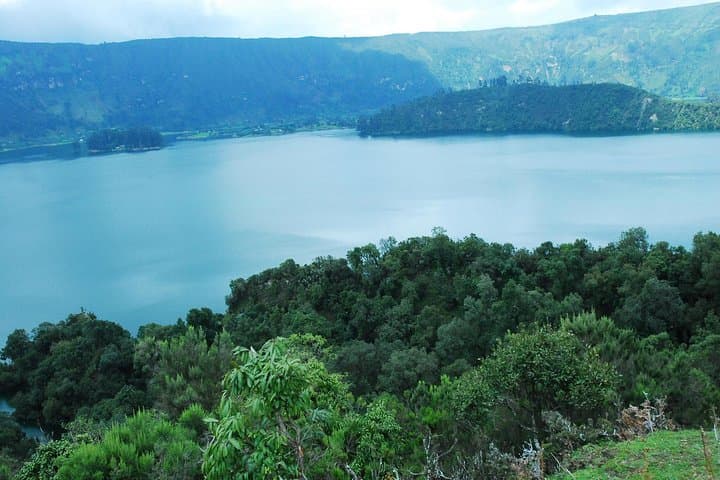
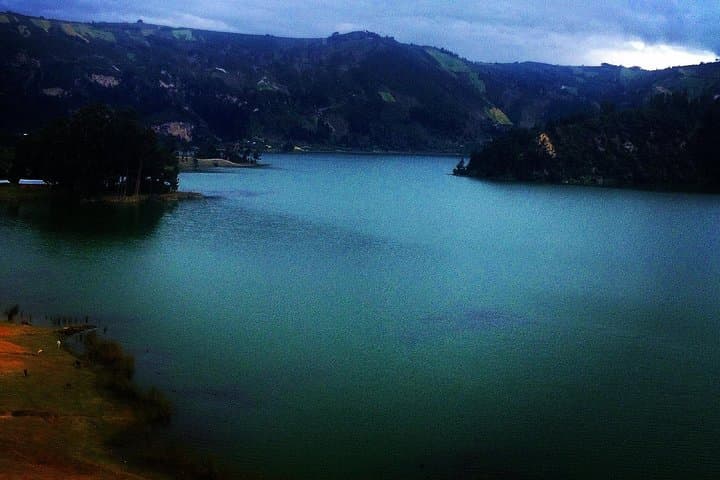
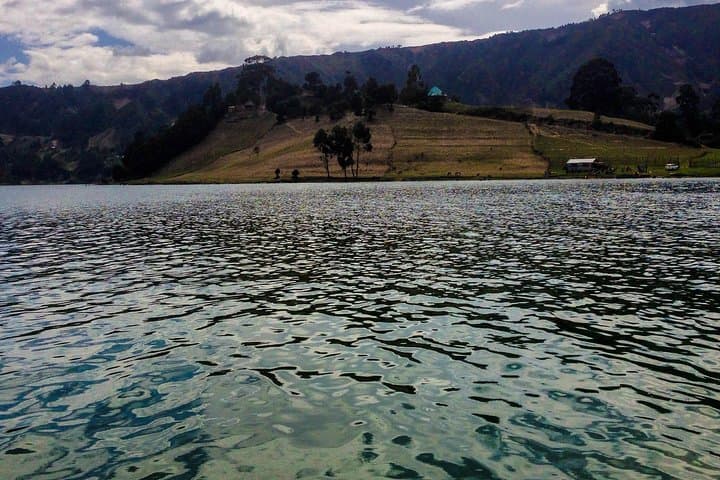
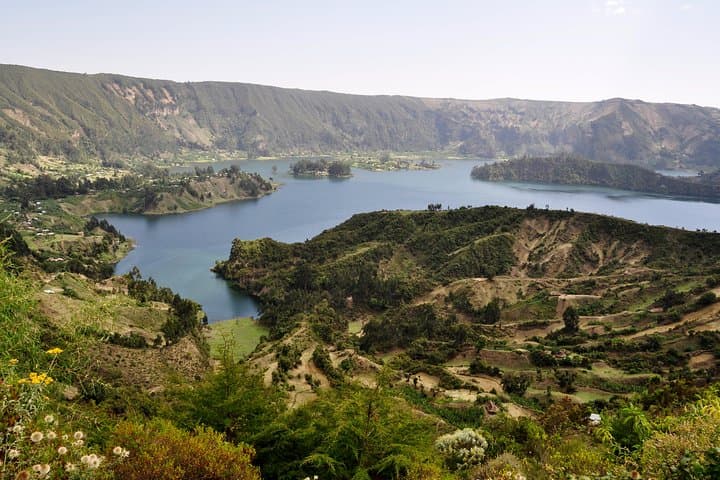
The first light arrives thin and cool over the crater rim, and Lake Wenchi answers it like a slow breath—flat water held in a volcanic bowl, steam lifting from mineral hot springs along a secluded shore. You step off the minivan into a landscape that still reads like a place where the earth remembers its eruptions: a steep rim, green slopes spilling toward an island with an ancient chapel, and a quiet that only a highland morning can give.
Verified experiences and guided adventures in the surrounding area.
Operated by Ethio Travel And Tours · Addis Ababa, Oromia
The first light arrives thin and cool over the crater rim, and Lake Wenchi answers it like a slow breath—flat water held in a volcanic bowl, steam lifting from mineral hot springs along a secluded shore. You step off the minivan into a landscape that still reads like a place where the earth remembers its eruptions: a steep rim, green slopes spilling toward an island with an ancient chapel, and a quiet that only a highland morning can give.
This two-day loop from Addis Ababa stitches two very different Ethiopian ecosystems together. Day one is geological and quiet: Lake Wenchi is a crater lake formed when volcanic terrain collapsed into itself, leaving a bowl of dark water ringed by basalt cliffs and fertile pasture. Local guides will point out Cherkos, the small island monastery that has sheltered monks for centuries; a short boat ride offers a close view of its stonework and the warm seep of a hot spring nearby.
Day two moves you closer to human history—Menagesha National Forest is one of Ethiopia’s oldest state forests, protected since the 15th century and long used as a royal hunting ground and source of timber. Trails wind under a canopy of juniper, olive and African cedar where colobus monkeys flick through branches and Menelik’s bushbuck pauses in clearings. Birders will know the names—Ethiopian oriole and Abyssinian woodpecker—while photographers find shafts of light that give the understory dimension.
Practical details are straightforward and low-tech. Expect roughly a two- to three-hour drive each way from Addis to Woliso/Lake Wenchi depending on traffic and road conditions; most itineraries include an overnight at a lodge near the lake. Trail terrain ranges from short, rocky rim walks of a few kilometers to longer forest loops on uneven, sometimes muddy paths—plan for moderate exertion with some steep segments.
Local culture threads through the trip: scouts and guides from nearby Oromia villages help maintain trails and collect small entry fees that fund conservation efforts and community projects. The best months for clear weather and bird activity are the dry periods, though the post-rain season keeps the landscape intensely green.
For preparation: wear sturdy boots, bring layers for cool mornings and colder nights, and carry at least 2 liters of water per day. Cash in Ethiopian birr is useful for small fees and local purchases; binoculars and a telephoto lens will transform the wildlife experience.
This itinerary is equal parts geology, quiet pilgrimage and forested birding—an accessible short escape from Addis that moves at a pace the landscape sets, not the clock.
moderate.
2 days.
Suitable for travelers with moderate fitness; expect uneven trails, short steep sections, and 2–4 hours of hiking each day
Plan for about 2–3 hours by road depending on traffic; roads are paved but can be slower outside peak hours.
Families can join, but the trip involves uneven trails and a short boat transfer—discuss mobility needs when booking.
Addis itself sits high (~2,300 m). Lake Wenchi and Menagesha are at similar or slightly higher elevations; most visitors adjust quickly, but stay hydrated and move at a comfortable pace.
Breakfast is included in the itinerary; other meals may be provided by the lodge or arranged locally—confirm when booking.
Expect to see colobus monkeys and Menelik’s bushbuck, plus forest birds like the Ethiopian oriole and Abyssinian woodpecker; sightings aren’t guaranteed.
Some hot spring pools are safe for brief wading, but temperatures vary—ask your guide and test carefully before entering.
Menagesha has been a protected state forest since the 15th century and historically served as a hunting and resource area for regional rulers; Cherkos island hosts a long-standing monastic tradition.
Small entry and scout fees support trail maintenance and community projects; stay on designated paths to protect regenerating forest and avoid disturbing nesting birds.
Ethio Travel And Tours operates guided outdoor trips and adventures with an emphasis on safety, stewardship, and memorable experiences.
The first light arrives thin and cool over the crater rim, and Lake Wenchi answers it like a slow breath—flat water held in a volcanic bowl, steam lifting from mineral hot springs along a secluded shore. You step off the minivan into a landscape that still reads like a place where the earth remembers its eruptions: a steep rim, green slopes spilling toward an island with an ancient chapel, and a quiet that only a highland morning can give.
The first light arrives thin and cool over the crater rim, and Lake Wenchi answers it like a slow breath—flat water held in a volcanic bowl, steam lifting from mineral hot springs along a secluded shore. You step off the minivan into a landscape that still reads like a place where the earth remembers its eruptions: a steep rim, green slopes spilling toward an island with an ancient chapel, and a quiet that only a highland morning can give.
This two-day loop from Addis Ababa stitches two very different Ethiopian ecosystems together. Day one is geological and quiet: Lake Wenchi is a crater lake formed when volcanic terrain collapsed into itself, leaving a bowl of dark water ringed by basalt cliffs and fertile pasture. Local guides will point out Cherkos, the small island monastery that has sheltered monks for centuries; a short boat ride offers a close view of its stonework and the warm seep of a hot spring nearby.
Day two moves you closer to human history—Menagesha National Forest is one of Ethiopia’s oldest state forests, protected since the 15th century and long used as a royal hunting ground and source of timber. Trails wind under a canopy of juniper, olive and African cedar where colobus monkeys flick through branches and Menelik’s bushbuck pauses in clearings. Birders will know the names—Ethiopian oriole and Abyssinian woodpecker—while photographers find shafts of light that give the understory dimension.
Practical details are straightforward and low-tech. Expect roughly a two- to three-hour drive each way from Addis to Woliso/Lake Wenchi depending on traffic and road conditions; most itineraries include an overnight at a lodge near the lake. Trail terrain ranges from short, rocky rim walks of a few kilometers to longer forest loops on uneven, sometimes muddy paths—plan for moderate exertion with some steep segments.
Local culture threads through the trip: scouts and guides from nearby Oromia villages help maintain trails and collect small entry fees that fund conservation efforts and community projects. The best months for clear weather and bird activity are the dry periods, though the post-rain season keeps the landscape intensely green.
For preparation: wear sturdy boots, bring layers for cool mornings and colder nights, and carry at least 2 liters of water per day. Cash in Ethiopian birr is useful for small fees and local purchases; binoculars and a telephoto lens will transform the wildlife experience.
This itinerary is equal parts geology, quiet pilgrimage and forested birding—an accessible short escape from Addis that moves at a pace the landscape sets, not the clock.