THE ADVENTURE COLLECTIVE® · Independent discovery and booking for outdoor travel

Combine a morning among the Tulum ruins with snorkeling on the Mesoamerican Reef and a swim in a limestone cenote. This full-day outing mixes archaeology, coastal reef life, and karst-cave wonder in one accessible trip.
Combine a morning among the Tulum ruins with snorkeling on the Mesoamerican Reef and a swim in a limestone cenote. This full-day outing mixes archaeology, coastal reef life, and karst-cave wonder in one accessible trip.
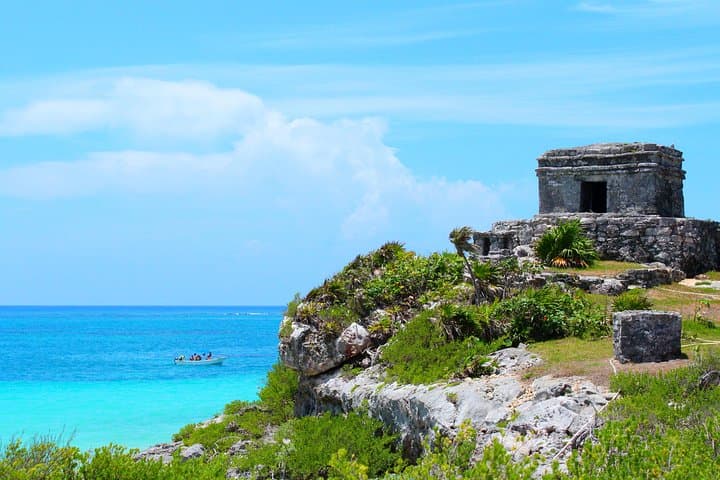
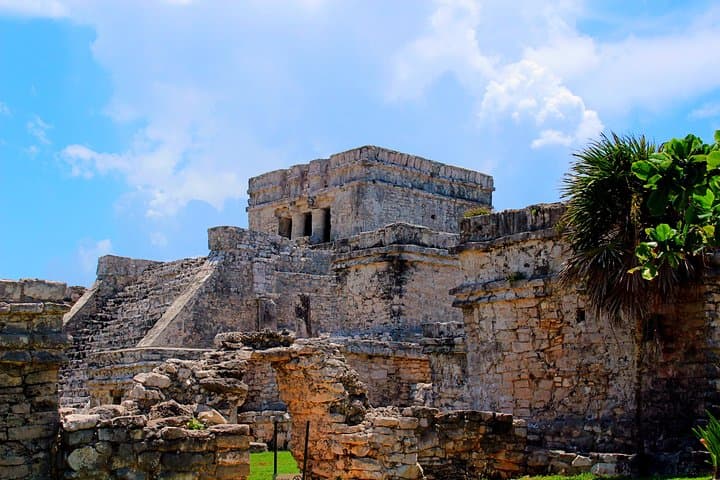
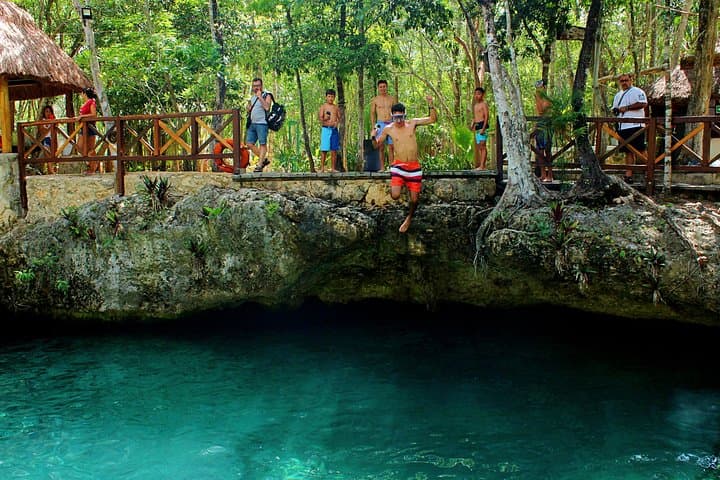
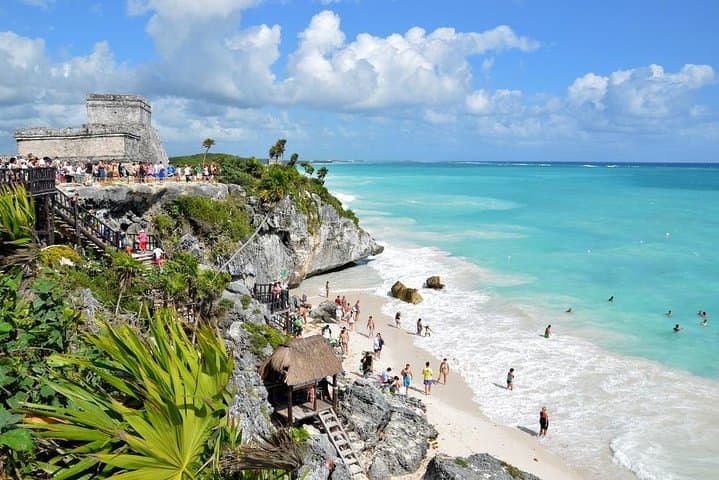
A breeze off the Caribbean pulls salt and light over low limestone cliffs as you approach the Tulum archaeological site—stone buildings keeping a quiet watch over the turquoise shelf below. The day moves from shore to sea: a short walk onto a panga and you’re drifting across a reef crowded with parrotfish, angelfish, and the slow glide of rays; visibility here can feel like looking through polished glass. Later, the forest closes in, and the cenote waits—cool, echoing, carved by water through Yucatán’s porous limestone into caverns hung with stalactites and supported by stalagmites.
Verified experiences and guided adventures in the surrounding area.
Operated by WISEST TRAVEL · Tulum, Quintana Roo
A breeze off the Caribbean pulls salt and light over low limestone cliffs as you approach the Tulum archaeological site—stone buildings keeping a quiet watch over the turquoise shelf below. The day moves from shore to sea: a short walk onto a panga and you’re drifting across a reef crowded with parrotfish, angelfish, and the slow glide of rays; visibility here can feel like looking through polished glass. Later, the forest closes in, and the cenote waits—cool, echoing, carved by water through Yucatán’s porous limestone into caverns hung with stalactites and supported by stalagmites.
Tulum was a coastal Maya port from the 13th–16th centuries; nearby cenotes fed communities and held ritual importance. Geologically the region is classic karst terrain—underground rivers and vertical cenotes formed where the limestone collapsed, giving the area exceptional freshwater clarity and biologically rich reef flats offshore.
Expect mostly easy movement: short beach launches, calm reef swims, and a moderate swim in the cenote with ladder access. Guides usually provide snorkel gear and bilingual instruction; hotel pickup and snacks are common inclusions. Time your visit early to avoid midday crowds and harsher sun.
Practical edge: use reef-safe sunscreen, secure mask fit before entering the boat, and take a lightweight waterproof bag for phones. Respect both reef and cenote rules—no lotions in freshwater caverns and keep a hands-off policy around coral and cave formations. This combo day trades big climbs for intimate encounters with blue water, ancient stones, and hidden freshwater caves.
moderate.
9 hours.
Suitable for most fitness levels—requires comfortable swimming capability and mobility for short board and ladder transitions.
No—basic swimming comfort is enough; guides provide instruction and usually basic snorkel gear for beginners.
Yes—most tour cenotes have ladders and guide supervision, but follow safety briefings and avoid entering after heavy rains when visibility or flow can change.
Most operators include snorkel equipment; bring your own if you prefer a personal fit or prescription lenses.
Light swimwear, a quick-dry shirt, reef-safe sunscreen applied before arrival, water shoes, and a towel; bring cash for tips and optional purchases.
Tulum was an important late-postclassic Maya port and trading center; cenotes nearby supplied freshwater and held ceremonial value.
The reef is vulnerable to pollution and sunscreen chemicals—use reef-safe products, avoid stepping on coral, and pack out all trash to protect both marine and freshwater ecosystems.
WISEST TRAVEL operates guided outdoor trips and adventures with an emphasis on safety, stewardship, and memorable experiences.
A breeze off the Caribbean pulls salt and light over low limestone cliffs as you approach the Tulum archaeological site—stone buildings keeping a quiet watch over the turquoise shelf below. The day moves from shore to sea: a short walk onto a panga and you’re drifting across a reef crowded with parrotfish, angelfish, and the slow glide of rays; visibility here can feel like looking through polished glass. Later, the forest closes in, and the cenote waits—cool, echoing, carved by water through Yucatán’s porous limestone into caverns hung with stalactites and supported by stalagmites.
A breeze off the Caribbean pulls salt and light over low limestone cliffs as you approach the Tulum archaeological site—stone buildings keeping a quiet watch over the turquoise shelf below. The day moves from shore to sea: a short walk onto a panga and you’re drifting across a reef crowded with parrotfish, angelfish, and the slow glide of rays; visibility here can feel like looking through polished glass. Later, the forest closes in, and the cenote waits—cool, echoing, carved by water through Yucatán’s porous limestone into caverns hung with stalactites and supported by stalagmites.
Tulum was a coastal Maya port from the 13th–16th centuries; nearby cenotes fed communities and held ritual importance. Geologically the region is classic karst terrain—underground rivers and vertical cenotes formed where the limestone collapsed, giving the area exceptional freshwater clarity and biologically rich reef flats offshore.
Expect mostly easy movement: short beach launches, calm reef swims, and a moderate swim in the cenote with ladder access. Guides usually provide snorkel gear and bilingual instruction; hotel pickup and snacks are common inclusions. Time your visit early to avoid midday crowds and harsher sun.
Practical edge: use reef-safe sunscreen, secure mask fit before entering the boat, and take a lightweight waterproof bag for phones. Respect both reef and cenote rules—no lotions in freshwater caverns and keep a hands-off policy around coral and cave formations. This combo day trades big climbs for intimate encounters with blue water, ancient stones, and hidden freshwater caves.