THE ADVENTURE COLLECTIVE® · Independent discovery and booking for outdoor travel

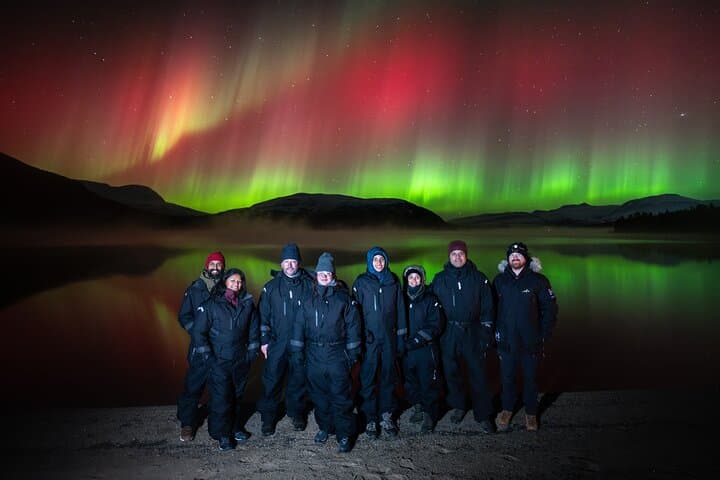
Leave Tromsø’s lights behind for a small-group aurora chase in a heated 4x4. Guides provide thermal suits, fire-side snacks and photography support so you can focus on the sky.
Leave Tromsø’s lights behind for a small-group aurora chase in a heated 4x4. Guides provide thermal suits, fire-side snacks and photography support so you can focus on the sky.
A Mercedes Vito eases away from Tromsø’s sodium glow and the road narrows into Arctic black. The van’s heater hums; beyond the windows, birch and low mountains become silhouettes while guides scan the sky. When the first curtain of green unfurls, it feels like the night has taken a breath and begun to move.
Verified experiences and guided adventures in the surrounding area.
Operated by Northbound · Tromsø, Troms og Finnmark
A Mercedes Vito eases away from Tromsø’s sodium glow and the road narrows into Arctic black. The van’s heater hums; beyond the windows, birch and low mountains become silhouettes while guides scan the sky. When the first curtain of green unfurls, it feels like the night has taken a breath and begun to move.
Northern Norway has long been a crossing point between Sami reindeer routes, coastal fishermen, and Arctic explorers. The aurora itself is a product of solar wind meeting Earth’s magnetosphere; the physics plays out over fjords, islands and mountain ridgelines, creating light shows that locals treat like weather—beautiful, changeable, and often explained with stories and superstition.
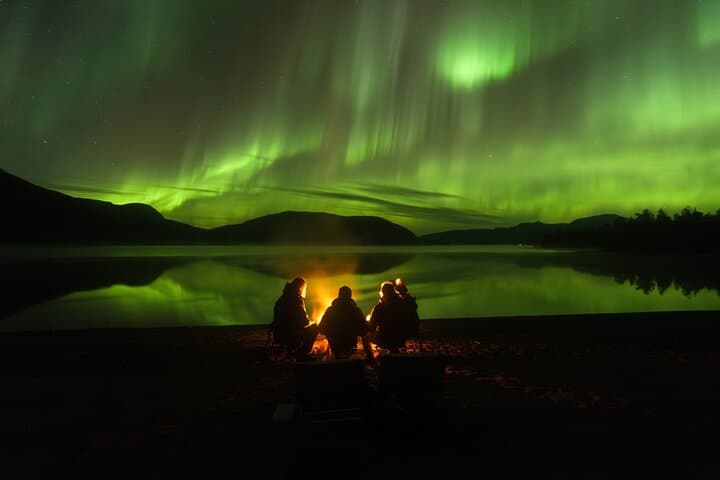
Culturally, evenings under the lights are social and simple: a fire, hot beverages, and the comfort of shared silence. Guides on small-group tours point out not just the aurora but local features—the curve of a fjord, rust-red fishing cabins, and the bright star over Tromsø’s cathedral—turning sight into context.
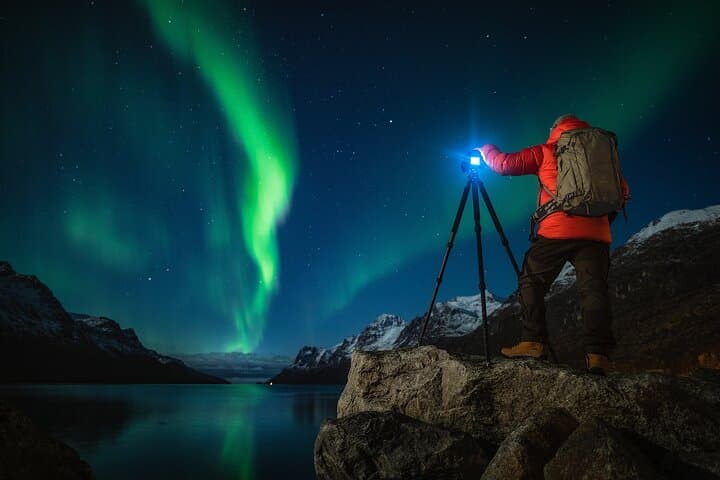
Practical guidance is straightforward. Expect long hours (this tour runs six to ten hours) with cold waits outside; organizers typically provide thermal suits, hot drinks, snacks and photography support, including timelapse footage. Bring warm base layers, insulated boots, a charged camera with extra batteries kept warm, and a compact tripod if you want your own shots. Timing matters: clear, dark skies give the best chances, so check moon phase and cloud cover. Stay flexible—Aurora hunting is part meteorology, part patience—and be prepared to trade city convenience for a night under the Arctic sky.
easy.
6–10 hours.
Suitable for most fitness levels; mostly seated travel with intermittent standing outdoors in cold conditions.
No—sightings depend on solar activity and cloud cover; guides choose the best viewing locations and provide timelapse footage even when the aurora is faint.
The tour runs approximately 6–10 hours from Tromsø, including travel to remote viewing spots and time spent outdoors.
Guides typically provide thermal suits, but you should still bring your own insulated base layers, boots and gloves for best comfort.
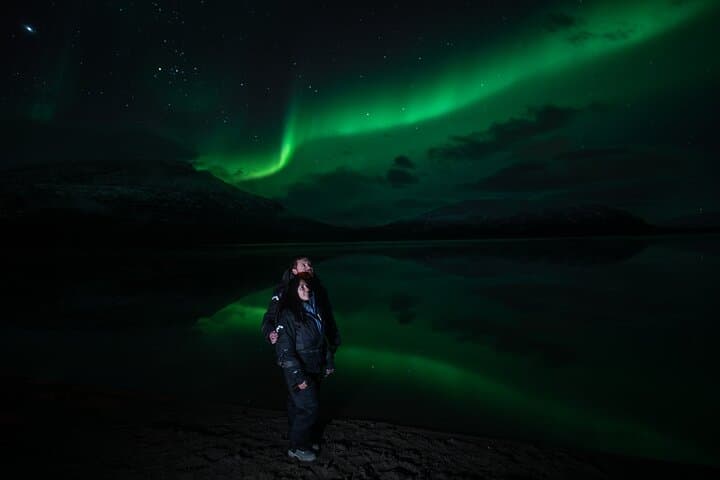
Yes—guides offer portrait shots, timelapse video, and help with camera settings; guests can also shoot their own photos with a tripod.
Tromsø grew as an Arctic hub for fishing and polar expeditions; Sami culture and coastal livelihoods shaped local night-time traditions and storytelling.
Tours encourage staying on durable surfaces, minimizing light use, and respecting private land; reducing artificial light helps preserve visibility and wildlife behavior.
Northbound operates guided outdoor trips and adventures with an emphasis on safety, stewardship, and memorable experiences.
A Mercedes Vito eases away from Tromsø’s sodium glow and the road narrows into Arctic black. The van’s heater hums; beyond the windows, birch and low mountains become silhouettes while guides scan the sky. When the first curtain of green unfurls, it feels like the night has taken a breath and begun to move.
A Mercedes Vito eases away from Tromsø’s sodium glow and the road narrows into Arctic black. The van’s heater hums; beyond the windows, birch and low mountains become silhouettes while guides scan the sky. When the first curtain of green unfurls, it feels like the night has taken a breath and begun to move.
Northern Norway has long been a crossing point between Sami reindeer routes, coastal fishermen, and Arctic explorers. The aurora itself is a product of solar wind meeting Earth’s magnetosphere; the physics plays out over fjords, islands and mountain ridgelines, creating light shows that locals treat like weather—beautiful, changeable, and often explained with stories and superstition.
Culturally, evenings under the lights are social and simple: a fire, hot beverages, and the comfort of shared silence. Guides on small-group tours point out not just the aurora but local features—the curve of a fjord, rust-red fishing cabins, and the bright star over Tromsø’s cathedral—turning sight into context.
Practical guidance is straightforward. Expect long hours (this tour runs six to ten hours) with cold waits outside; organizers typically provide thermal suits, hot drinks, snacks and photography support, including timelapse footage. Bring warm base layers, insulated boots, a charged camera with extra batteries kept warm, and a compact tripod if you want your own shots. Timing matters: clear, dark skies give the best chances, so check moon phase and cloud cover. Stay flexible—Aurora hunting is part meteorology, part patience—and be prepared to trade city convenience for a night under the Arctic sky.