THE ADVENTURE COLLECTIVE® · Independent discovery and booking for outdoor travel

A full-day white-water run within easy reach of Kathmandu, Trishuli River offers Class II–III rapids, stony gorges, and a riverside finish near the Manakamana cable car. Expect a mix of adrenaline and local flavor with a moderate fitness requirement.
A full-day white-water run within easy reach of Kathmandu, Trishuli River offers Class II–III rapids, stony gorges, and a riverside finish near the Manakamana cable car. Expect a mix of adrenaline and local flavor with a moderate fitness requirement.
The day begins before dawn in Thamel, the city still rubbing sleep from its eyes while drivers load coolers and rafts into trucks.
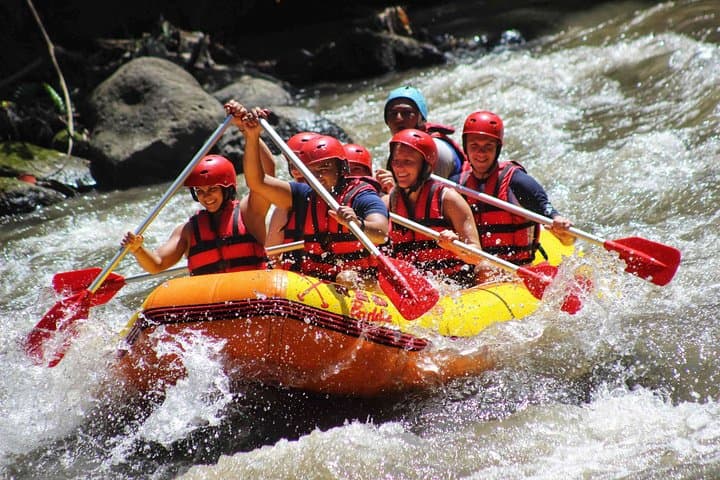
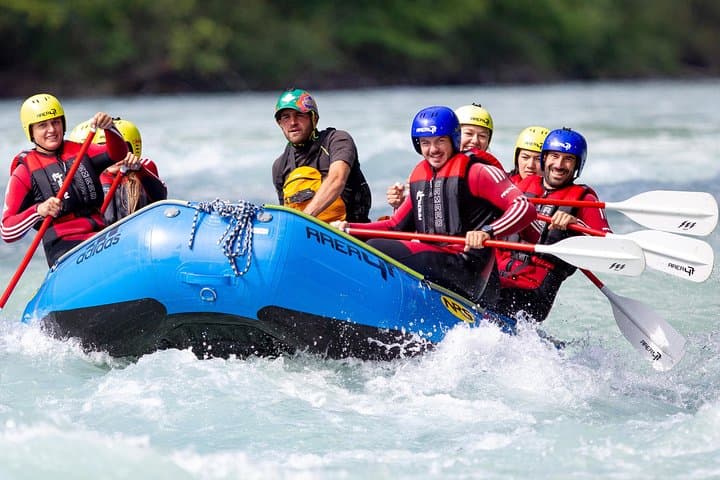
By mid-morning the valley opens up and the Trishuli River appears—a wide, urgent ribbon of water that seems to dare you forward. Guides brief the crew beside a stony beach: life jackets click, paddles bite the air, and the first foam-rimmed waves approach like a promise.
Verified experiences and guided adventures in the surrounding area.
Operated by Travel Pinto · Trishuli Bazaar, Bagmati Province
The day begins before dawn in Thamel, the city still rubbing sleep from its eyes while drivers load coolers and rafts into trucks.
By mid-morning the valley opens up and the Trishuli River appears—a wide, urgent ribbon of water that seems to dare you forward. Guides brief the crew beside a stony beach: life jackets click, paddles bite the air, and the first foam-rimmed waves approach like a promise.
Trishuli is one of the closest white-water stretches to Kathmandu, used for decades by locals moving goods between the hills and the lowlands. Geologically, the river runs along lively faults where Himalayan uplift feeds a bed of mixed boulders and pebbles, shaping rapids that range from technical chutes to playful wave trains. Culturally the corridor is threaded with market towns and terraced farms; the trip often ends near the lower station of the Manakamana cable car, itself a short pilgrimage site with views of terraced slopes and distant ridgelines.
On the water the river feels purposeful: it shoulders aside your craft, funnels you through narrows, and then opens into calmer pools where you can breathe and watch kingfishers and egrets pick at the shallows. Typical runs include sustained Class II–III rapids with occasional Class IV where rock gardens tighten the channel—enough to thrill beginners and keep experienced paddlers engaged. A one-night stay near the river is commonly included; lunch is served riverside or at a local guesthouse, offering dal bhat and seasonal vegetables.
Practicalities are simple but important. Most trips are full-day affairs from Kathmandu (about 1.5–2 hours’ drive depending on traffic) and require a moderate level of fitness; you should be comfortable in moving water and able to follow guide instructions. Wear quick-dry clothing and closed-toe shoes that can get wet; bring sunscreen, a small dry bag for electronics, and a water bottle. Guides provide helmets, life jackets, and basic paddling instruction—listen closely during the safety briefing and practice the wet exit on shore before you launch.
Timing matters: the monsoon elevates flows and makes some sections more technical (and occasionally closed), while winter lowers flows and exposes more rocks—spring and autumn balance volume and visibility most favorably. Respect local operators who manage river access; keep plastic out of the water and tip staff if service was strong.
Trishuli rafting is an approachable, adrenaline-tinged way to experience Nepal’s river systems without days of overland travel. It’s a single-day window into the broader interplay of geology, village life, and a river that insists you keep up.
moderate.
6–8 hours.
Moderate—comfortable walking on uneven ground, able to follow safety commands and tolerate splashes
The guided experience is typically a full-day package including transport; on-water time varies but most groups raft for 2–4 hours split across several sections.
No—guides provide paddling instruction and manage challenging sections, but basic swimming ability and following commands are essential.
Operators supply helmets, life jackets, and professional guides; confirm that equipment is well-maintained before launch.
No—this trip is not recommended for pregnant travelers due to the risk of falls and rapid water.
Spring and autumn offer the best balance of flow and clear weather; monsoon increases difficulty and winter lowers flows and exposes rocks.
Yes—travel insurance that covers adventure activities and emergency evacuation is recommended for rafting trips.
The Trishuli corridor has long been a trade route linking hill communities with the Kathmandu Valley; river crossings and seasonal markets shaped local settlement patterns.
Operators emphasize leave-no-trace practices and many support local waste collection; avoid single-use plastics and follow guide instructions to protect river health.
Travel Pinto operates guided outdoor trips and adventures with an emphasis on safety, stewardship, and memorable experiences.
The day begins before dawn in Thamel, the city still rubbing sleep from its eyes while drivers load coolers and rafts into trucks.
By mid-morning the valley opens up and the Trishuli River appears—a wide, urgent ribbon of water that seems to dare you forward. Guides brief the crew beside a stony beach: life jackets click, paddles bite the air, and the first foam-rimmed waves approach like a promise.
The day begins before dawn in Thamel, the city still rubbing sleep from its eyes while drivers load coolers and rafts into trucks.
By mid-morning the valley opens up and the Trishuli River appears—a wide, urgent ribbon of water that seems to dare you forward. Guides brief the crew beside a stony beach: life jackets click, paddles bite the air, and the first foam-rimmed waves approach like a promise.
Trishuli is one of the closest white-water stretches to Kathmandu, used for decades by locals moving goods between the hills and the lowlands. Geologically, the river runs along lively faults where Himalayan uplift feeds a bed of mixed boulders and pebbles, shaping rapids that range from technical chutes to playful wave trains. Culturally the corridor is threaded with market towns and terraced farms; the trip often ends near the lower station of the Manakamana cable car, itself a short pilgrimage site with views of terraced slopes and distant ridgelines.
On the water the river feels purposeful: it shoulders aside your craft, funnels you through narrows, and then opens into calmer pools where you can breathe and watch kingfishers and egrets pick at the shallows. Typical runs include sustained Class II–III rapids with occasional Class IV where rock gardens tighten the channel—enough to thrill beginners and keep experienced paddlers engaged. A one-night stay near the river is commonly included; lunch is served riverside or at a local guesthouse, offering dal bhat and seasonal vegetables.
Practicalities are simple but important. Most trips are full-day affairs from Kathmandu (about 1.5–2 hours’ drive depending on traffic) and require a moderate level of fitness; you should be comfortable in moving water and able to follow guide instructions. Wear quick-dry clothing and closed-toe shoes that can get wet; bring sunscreen, a small dry bag for electronics, and a water bottle. Guides provide helmets, life jackets, and basic paddling instruction—listen closely during the safety briefing and practice the wet exit on shore before you launch.
Timing matters: the monsoon elevates flows and makes some sections more technical (and occasionally closed), while winter lowers flows and exposes more rocks—spring and autumn balance volume and visibility most favorably. Respect local operators who manage river access; keep plastic out of the water and tip staff if service was strong.
Trishuli rafting is an approachable, adrenaline-tinged way to experience Nepal’s river systems without days of overland travel. It’s a single-day window into the broader interplay of geology, village life, and a river that insists you keep up.