THE ADVENTURE COLLECTIVE® · Independent discovery and booking for outdoor travel

Ride one of the world's great train journeys to Arthur's Pass, wander limestone boulders at Castle Hill, and watch glacier-fed rivers braid the valley floor. This full-day loop from Christchurch blends panoramic rail travel with short alpine walks and photography stops.
Ride one of the world's great train journeys to Arthur's Pass, wander limestone boulders at Castle Hill, and watch glacier-fed rivers braid the valley floor. This full-day loop from Christchurch blends panoramic rail travel with short alpine walks and photography stops.
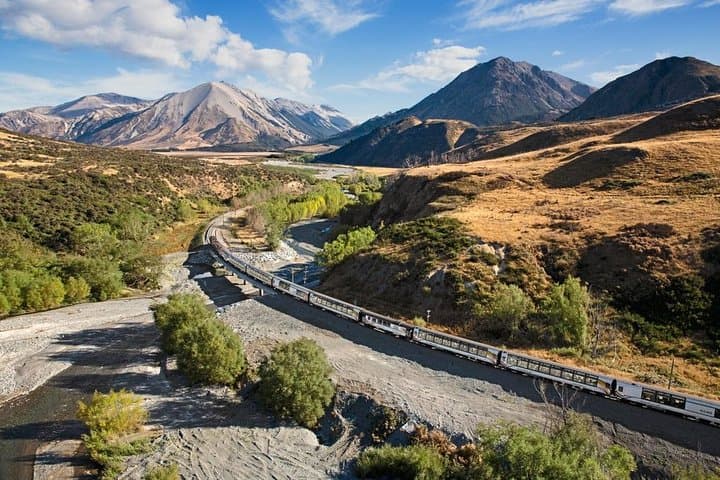
The train eases away from Christchurch and the city falls behind in a widening sweep of pastoral plains. Through the panoramic windows the world tightens—sheep runs flatten into braided riverbeds, then the Southern Alps grow teeth. The TranzAlpine is more than transport: its open-air viewing decks feel like a theater for weather. By mid-morning you disembark at Arthur's Pass, where beech forest leans into scree slopes and waterfalls keep time with the clouds.
Verified experiences and guided adventures in the surrounding area.
Operated by NZSI Tours & Travel · Arthur's Pass Village, Canterbury
The train eases away from Christchurch and the city falls behind in a widening sweep of pastoral plains. Through the panoramic windows the world tightens—sheep runs flatten into braided riverbeds, then the Southern Alps grow teeth. The TranzAlpine is more than transport: its open-air viewing decks feel like a theater for weather. By mid-morning you disembark at Arthur's Pass, where beech forest leans into scree slopes and waterfalls keep time with the clouds.
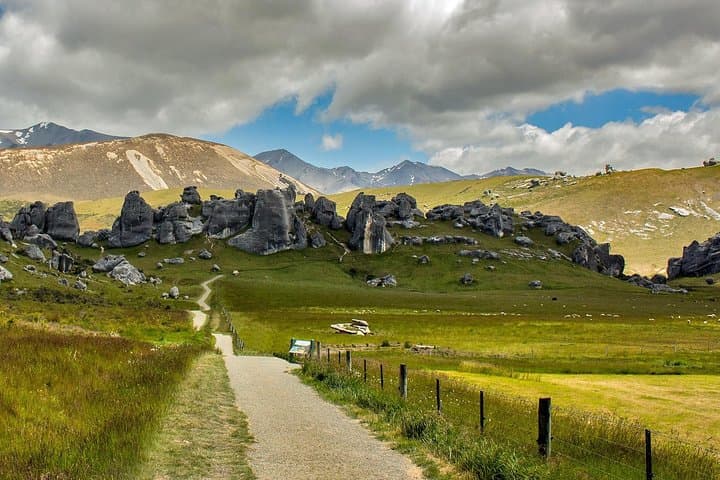
Arthur's Pass National Park is a compact lesson in alpine geology. The Southern Alps rose as the Pacific and Australian plates folded and faulted, and the Waimakariri River—ice-fed and impatient—carves the valley floors. Castle Hill is limestone laid bare and then smashed into cathedral-sized boulders; it reads like an architectural ruin built by geology rather than people. European explorers and surveyors pushed routes through these ranges in the 19th century; the rail corridor, with its engineering feats like the Otira Tunnel and viaducts, opened passages that once took weeks to traverse.
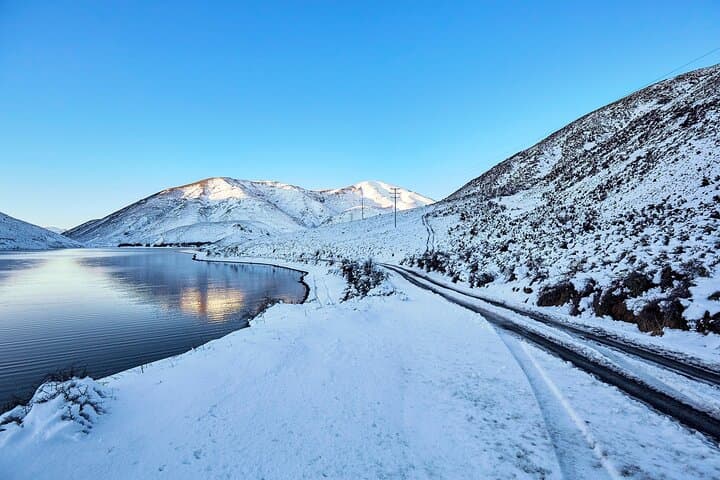
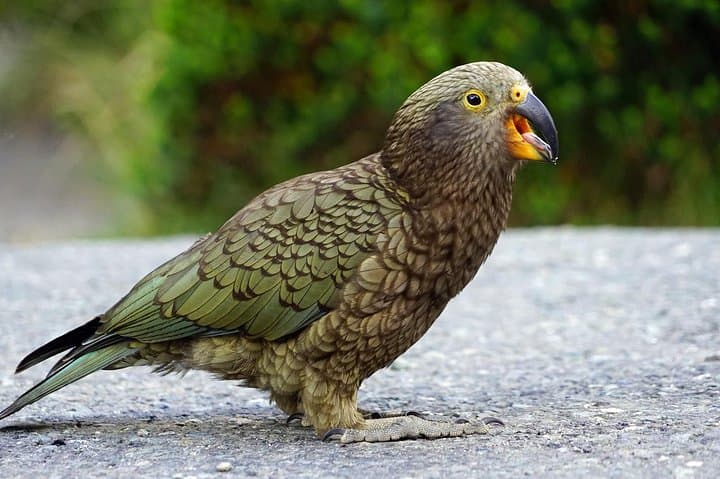
The day trip stitches sensory moments: the train's quiet rumble, Otira Viaduct's vertiginous vistas and the cheeky kea investigating every loose zipper. On foot, choose a short walk—beech-scented, with patches of scree—or stretch to a longer ridge for panoramic views. Lake Pearson offers mirror-smooth reflections on calm days; Castle Hill's boulder field invites slow wandering and careful scrambling among hulking limestone forms. Local cafés in Arthur's Pass village serve warming soups and pies—simple fuel after alpine air.
Practicalities: the full loop is about a 10-hour day from Christchurch with hotel pickup and drop-off included. Walks in the park range from easy 30–60 minute trails to steeper hikes that gain a few hundred meters; expect rough, uneven terrain and loose rock near the boulder fields. Weather shifts fast—bring waterproof layers and a warm midlayer even in summer. Keep distance from kea (they are curious and will chew soft materials), and pack out all rubbish—this is protected National Park land.
Timing matters: the TranzAlpine is best in clear morning light when the plains and rivers are crisp; late afternoon on the return often delivers the most dramatic shadows across Castle Hill. Cameras and binoculars are worthwhile; a small daypack, water, and sturdy footwear will make the day comfortable. For photographers and hikers alike, this loop delivers geological spectacle, alpine culture, and a clear reminder of how quickly weather and landscape can change in the Southern Alps.
moderate.
10 hours.
Suitable for people who can handle 1–3 hours of walking on uneven terrain and short climbs; not a technical climb.
The day trip runs about 10 hours with early morning pickup in Christchurch (typically around 7:30am) and returns in the evening; exact pickup times are confirmed a day prior.
The tour includes guided transport and recommendations for walks; trails in Arthur's Pass range from 30–60 minutes for short walks to several hours for longer routes—walks are unguided so pick routes to match your fitness.
There is about an hour for free time in Arthur's Pass village where a small café serves hot food; bringing snacks and water is recommended, especially for longer walks.
Yes—kea are commonly seen around the pass; other alpine species are possible though sightings aren’t guaranteed. Always observe from a distance.
The train and main stops are family-friendly, but short walks may include uneven terrain—children should be supervised and those with mobility issues should check specific access needs.
The operator can cancel or alter the itinerary for severe weather or insufficient passengers; cancelations 24 hours prior qualify for a full refund per the policy.
The Midland rail corridor and Otira Tunnel were major early 20th-century engineering projects that opened reliable crossing of the Southern Alps; Arthur's Pass village grew as a service point for travelers and rail workers.
Arthur's Pass is a protected national park—follow leave-no-trace principles, keep distance from wildlife, and stick to marked tracks to reduce erosion and habitat disturbance.
NZSI Tours & Travel operates guided outdoor trips and adventures with an emphasis on safety, stewardship, and memorable experiences.
The train eases away from Christchurch and the city falls behind in a widening sweep of pastoral plains. Through the panoramic windows the world tightens—sheep runs flatten into braided riverbeds, then the Southern Alps grow teeth. The TranzAlpine is more than transport: its open-air viewing decks feel like a theater for weather. By mid-morning you disembark at Arthur's Pass, where beech forest leans into scree slopes and waterfalls keep time with the clouds.
The train eases away from Christchurch and the city falls behind in a widening sweep of pastoral plains. Through the panoramic windows the world tightens—sheep runs flatten into braided riverbeds, then the Southern Alps grow teeth. The TranzAlpine is more than transport: its open-air viewing decks feel like a theater for weather. By mid-morning you disembark at Arthur's Pass, where beech forest leans into scree slopes and waterfalls keep time with the clouds.
Arthur's Pass National Park is a compact lesson in alpine geology. The Southern Alps rose as the Pacific and Australian plates folded and faulted, and the Waimakariri River—ice-fed and impatient—carves the valley floors. Castle Hill is limestone laid bare and then smashed into cathedral-sized boulders; it reads like an architectural ruin built by geology rather than people. European explorers and surveyors pushed routes through these ranges in the 19th century; the rail corridor, with its engineering feats like the Otira Tunnel and viaducts, opened passages that once took weeks to traverse.
The day trip stitches sensory moments: the train's quiet rumble, Otira Viaduct's vertiginous vistas and the cheeky kea investigating every loose zipper. On foot, choose a short walk—beech-scented, with patches of scree—or stretch to a longer ridge for panoramic views. Lake Pearson offers mirror-smooth reflections on calm days; Castle Hill's boulder field invites slow wandering and careful scrambling among hulking limestone forms. Local cafés in Arthur's Pass village serve warming soups and pies—simple fuel after alpine air.
Practicalities: the full loop is about a 10-hour day from Christchurch with hotel pickup and drop-off included. Walks in the park range from easy 30–60 minute trails to steeper hikes that gain a few hundred meters; expect rough, uneven terrain and loose rock near the boulder fields. Weather shifts fast—bring waterproof layers and a warm midlayer even in summer. Keep distance from kea (they are curious and will chew soft materials), and pack out all rubbish—this is protected National Park land.
Timing matters: the TranzAlpine is best in clear morning light when the plains and rivers are crisp; late afternoon on the return often delivers the most dramatic shadows across Castle Hill. Cameras and binoculars are worthwhile; a small daypack, water, and sturdy footwear will make the day comfortable. For photographers and hikers alike, this loop delivers geological spectacle, alpine culture, and a clear reminder of how quickly weather and landscape can change in the Southern Alps.